
Meta Pixel

Are You a Candidate for the Vertiflex™ Procedure?

Vertiflex Procedure

The incidence of lower back pain in the United States is growing thanks to an aging population. Experts predict that 65 million elderly adults will develop lumbar spinal stenosis by 2025, which is just a few years away.

The team here at Spinal Diagnostics is pleased to offer the FDA-approved, minimally invasive procedure called Vertiflex™ to answer this fast-growing need for a solution to this type of lower back pain.

If you want to explore whether you may be a candidate for Vertiflex, read on.

Understanding lumbar spinal stenosis

The first thing to understand about Vertiflex is that it’s specifically designed for those who suffer from lumbar spinal stenosis (LSS). Briefly, stenosis is a condition in which nerve space is reduced around your spine, which can occur in your spinal canal or in your intervertebral foramina, which are the bony openings where your nerves exit your spinal canal.

There are several reasons why this can occur, including:

  • Osteoarthritis in your spine
  • Degenerative disc disease
  • Thickening ligaments in your spinal canal

While these are the most common drivers of LSS, the condition can develop anytime something encroaches upon your nerves, which also includes tumors or bone deformities due to an accident or a congenital condition.

The symptoms of lumbar spinal stenosis

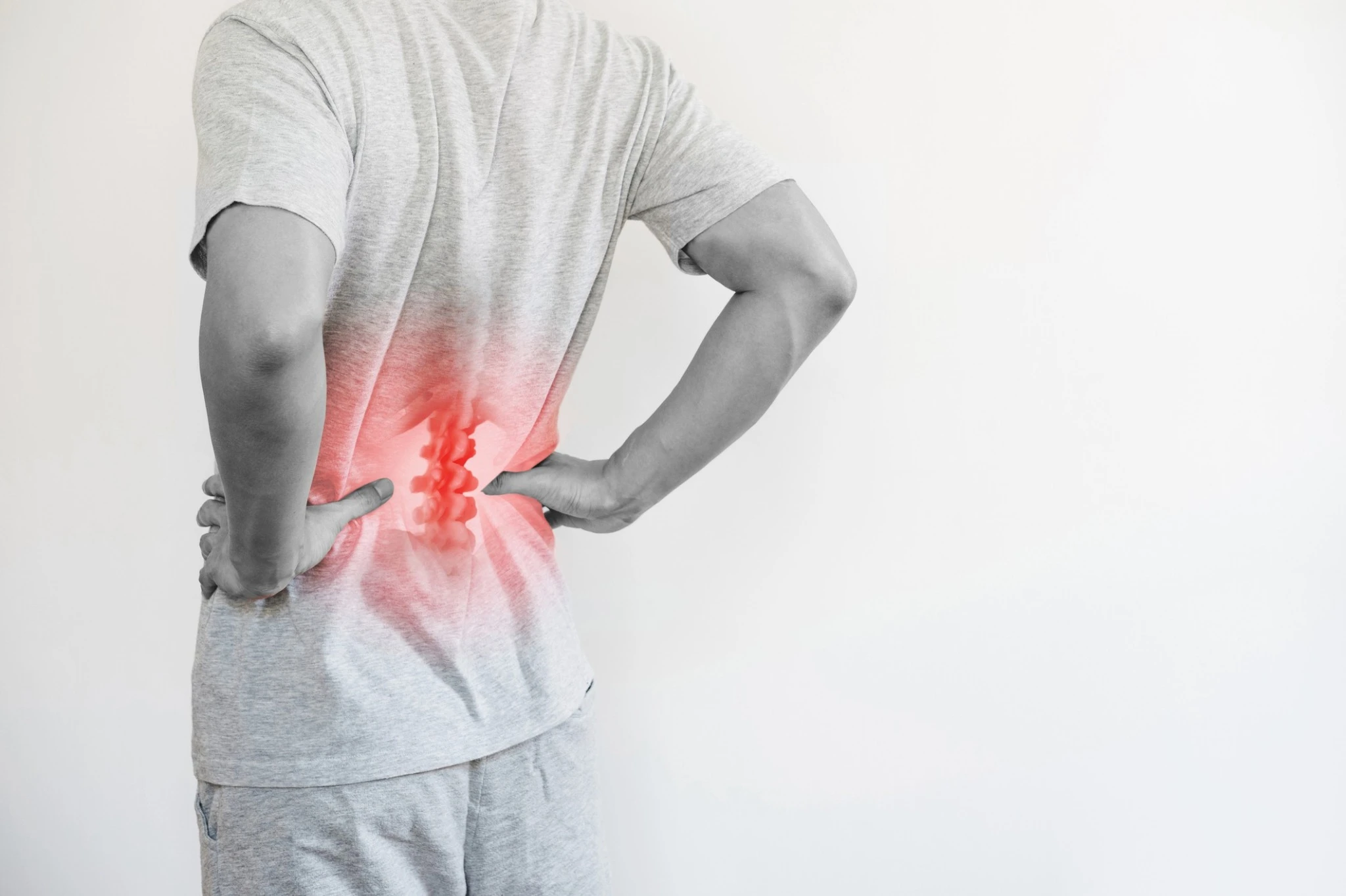
Spinal stenosis can develop gradually, and many people don’t feel symptoms in the earlier stages. Once the narrowing strikes a literal nerve, your symptoms may include:

  • Pain in your lower back, especially with specific movements or positions (walking and standing)
  • Pain that radiates down your buttocks and legs
  • Numbness and tingling
  • Loss of balance
  • Weakness

These symptoms often go away when your back is at rest (lying down) or when you lean forward, taking pressure off the compressed nerve(s).

If you’ve developed problematic symptoms due to LSS, Vertiflex may be your ticket back to pain-free movement.

How Vertiflex works

Vertiflex is designed for LSS, and it works by creating more space around your compressed nerves.

At the heart of Vertiflex is a small device that we place in your spine during an outpatient procedure. There are several different spacers, which allows us to address LSS in a wide range of patients.

Once we guide your Vertiflex device into position, it releases small arms that create enough space for your nerves to function freely.

There are many benefits of the Vertiflex procedure, starting with the fact that it’s a minimally invasive procedure in which we don’t remove any tissues. This means that your recovery time is relatively minor compared to other surgical interventions.

As well, with Vertiflex, you realize almost immediate results, and you can finally ditch the medications that helped manage your symptoms.

Finally, Vertiflex offers a 90% satisfaction rating, which is excellent news for those who’ve struggled with lower back pain for far too long.

If you’d like to explore further whether you might be a good candidate for Vertiflex, contact one of our two locations in Tualatin or Newberg, Oregon, to set up a consultation.

Take the First Step Toward Relief

From spine injections to nerve blocks and cutting-edge therapies, we help you move forward, pain free.
FOLLOW US

Relief for SI Joint Pain: Physical Therapy Strategies That Make a Difference

Relief for SI Joint Pain: Physical Therapy Strategies That Make a Difference     Sacroiliac (SI) joint pain can make daily activities hard. It can affect how you sit, move, or sleep. Many people notice SI joint pain gets worse at night when lying down. The...

Getting Active Again: Smart Strategies to Safely Return to Exercise

Getting Active Again: Smart Strategies to Safely Return to Exercise Taking a break from exercise happens to almost everyone. Maybe life got busy, an injury slowed you down, or motivation simply faded. No matter the reason, figuring out how to get back into working out...

The Cost of Waiting: Benefits of Physical Therapy with Early Intervention

The Cost of Waiting: Benefits of Physical Therapy with Early Intervention When pain, stiffness, or limited movement first appear, many people choose to wait it out. The discomfort might seem manageable at first, but delaying care often leads to bigger problems over...

When Should You See a Specialist for Back or Neck Pain?

When Should You See a Specialist for Back or Neck Pain? Back and neck pain can show up in many different ways. For some people, it starts as stiffness in the morning. For others, it appears while walking, bending over, or even breathing. It is important to know when...

Adult Tummy Time Explained: A Simple Approach to Neck and Back Pain

Adult Tummy Time Explained: A Simple Approach to Neck and Back Pain Lower back and neck pain are two of the most common complaints among adults, especially those who spend long hours standing, walking, or working at a desk. Many people notice lower back pain while...

How to Stay Active During Colder Seasons – Winter Exercise

How to Stay Active During Colder Seasons – Winter Exercise Cold weather does not have to mean giving up your outdoor routine. With the right preparation, staying active during winter can be safe, effective, and even refreshing. Whether you enjoy hiking in snowy...

How to Shovel Snow to Avoid Injury

How to Shovel Snow to Avoid Injury Snow removal looks harmless, but it can strain your back, shoulders, and wrists surprisingly fast. The combination of cold muscles, heavy snow, and awkward lifting is what causes most winter injuries. The safest approach is a mix of...

5 Ergonomic Tips for Wrist Pain If You Sit at a Desk

5 Ergonomic Tips for Wrist Pain If You Sit at a Desk If you spend hours typing, clicking, or writing every day, wrist pain can sneak up on you quickly. It might start as a mild ache, a little stiffness, or a sense of overuse—but over time, it can grow into significant...

Hip Mobility Exercises for Injury Prevention and Enhanced Performance

Hip Mobility Exercises for Injury Prevention and Enhanced Performance Strong, flexible hips are essential for almost every movement you make - walking, lifting, squatting, running, or even sitting comfortably. When the hips become weak or tight, the body compensates...

Shoulder Tendinitis Exercises and Treatments for Relief

Shoulder Tendinitis Exercises and Treatments for Relief Shoulder pain can make even simple daily tasks—like reaching, lifting, or sleeping—feel like a challenge. One of the most common causes is shoulder tendinitis, an inflammation or irritation of the tendons that...