
Meta Pixel

Understanding Pelvic Pain

Understanding Pelvic Pain

Pelvic pain can be difficult to diagnose and treat. That’s because it can stem from many different underlying causes, ranging from menstrual cramps to digestive conditions. For men and women alike, it can significantly impact daily life.

At Spinal Diagnostics, our team of highly trained pain management experts has years of experience diagnosing and treating the underlying causes of pelvic pain. We understand the complexity of this condition and work with you to identify the best path forward.

Here, we explore some common causes of pelvic pain and how we can help.
What causes pelvic pain?

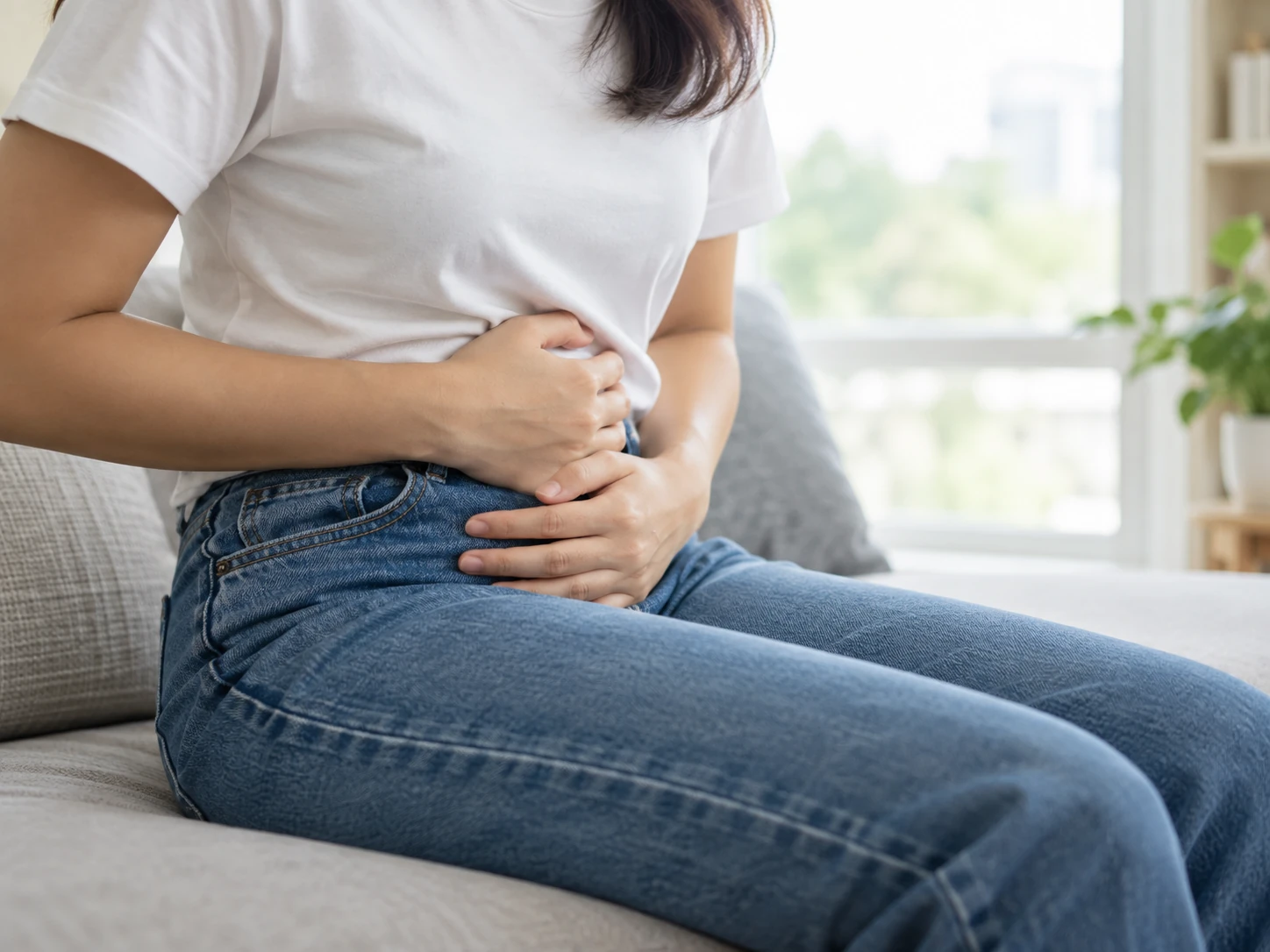
Pelvic pain refers to any discomfort felt in the lower abdomen or pelvic region, which lies between your belly button and your hips. It can be dull or sharp, constant or intermittent, and may feel like pressure, cramping, or even stabbing sensations.

There are numerous potential causes of pelvic pain, including:

  • Urinary tract infections (UTIs)
  • Kidney stones
  • Digestive issues like irritable bowel syndrome (IBS)
  • Hernias
  • Musculoskeletal problems like nerve entrapment or pelvic floor dysfunction
  • Reproductive issues, including endometriosis, fibroids, or ovarian cysts
  • Prostatitis in men

In some cases, pelvic pain may be linked to a combination of factors, which is why an expert evaluation is essential.

How is pelvic pain diagnosed?

Diagnosing pelvic pain often involves a comprehensive review of your symptoms, medical history, and a physical exam. Depending on your specific case, we may recommend diagnostic tools such as:

  • Imaging tests (ultrasound, CT scan, or MRI)
  • Lab tests to check for infections or inflammation
  • Nerve blocks or injections to isolate the source of pain

Our goal is to pinpoint the root cause of your pain so we can create a treatment plan tailored to your unique needs.

Compassionate Experts You Can Trust

Our board-certified specialists listen, diagnose, and guide you through every step of your pain journey.

Schedule an appointment

What treatments are available for pelvic pain?

Once we understand what’s causing your pelvic pain, we’ll recommend the most appropriate course of treatment. Depending on your diagnosis, your plan may include:

  • Medications to address inflammation or nerve pain
  • Physical therapy to strengthen pelvic muscles and improve mobility
  • Injections, such as nerve blocks or trigger point injections
  • Minimally invasive procedures targeting affected nerves
  • Collaboration with specialists in urology, gynecology, or gastroenterology if needed

Pelvic pain can be complex, but you don’t have to navigate it alone. At Spinal Diagnostics, we’re committed to identifying the source of your discomfort and helping you find long-term relief.

If you’re living with unexplained pelvic pain, contact our team in Tualatin or Newberg, Oregon, to schedule a consultation.
FOLLOW US

The Cost of Waiting: Benefits of Physical Therapy with Early Intervention

The Cost of Waiting: Benefits of Physical Therapy with Early Intervention When pain, stiffness, or limited movement first appear, many people choose to wait it out. The discomfort might seem manageable at first, but delaying care often leads to bigger problems over...

When Should You See a Specialist for Back or Neck Pain?

When Should You See a Specialist for Back or Neck Pain? Back and neck pain can show up in many different ways. For some people, it starts as stiffness in the morning. For others, it appears while walking, bending over, or even breathing. It is important to know when...

Adult Tummy Time Explained: A Simple Approach to Neck and Back Pain

Adult Tummy Time Explained: A Simple Approach to Neck and Back Pain Lower back and neck pain are two of the most common complaints among adults, especially those who spend long hours standing, walking, or working at a desk. Many people notice lower back pain while...

How to Stay Active During Colder Seasons – Winter Exercise

How to Stay Active During Colder Seasons – Winter Exercise Cold weather does not have to mean giving up your outdoor routine. With the right preparation, staying active during winter can be safe, effective, and even refreshing. Whether you enjoy hiking in snowy...

How to Shovel Snow to Avoid Injury

How to Shovel Snow to Avoid Injury Snow removal looks harmless, but it can strain your back, shoulders, and wrists surprisingly fast. The combination of cold muscles, heavy snow, and awkward lifting is what causes most winter injuries. The safest approach is a mix of...

5 Ergonomic Tips for Wrist Pain If You Sit at a Desk

5 Ergonomic Tips for Wrist Pain If You Sit at a Desk If you spend hours typing, clicking, or writing every day, wrist pain can sneak up on you quickly. It might start as a mild ache, a little stiffness, or a sense of overuse—but over time, it can grow into significant...

Hip Mobility Exercises for Injury Prevention and Enhanced Performance

Hip Mobility Exercises for Injury Prevention and Enhanced Performance Strong, flexible hips are essential for almost every movement you make - walking, lifting, squatting, running, or even sitting comfortably. When the hips become weak or tight, the body compensates...

Shoulder Tendinitis Exercises and Treatments for Relief

Shoulder Tendinitis Exercises and Treatments for Relief Shoulder pain can make even simple daily tasks—like reaching, lifting, or sleeping—feel like a challenge. One of the most common causes is shoulder tendinitis, an inflammation or irritation of the tendons that...

Common Injuries in the Hand and Wrist

Common Injuries in the Hand and Wrist   Our hands and wrists are some of the most active parts of the body—typing, lifting, gripping, or even playing sports. Because of that constant use, it’s no surprise that injuries like carpal tunnel syndrome, tendonitis, and...

Pelvic Floor Dysfunction? Enhance Your Postpartum Recovery With Physical Therapy

Pelvic Floor Dysfunction? Enhance Your Postpartum Recovery With Physical Therapy   After pregnancy and childbirth, many women experience changes in their bodies that they didn’t expect—pelvic discomfort, pressure, or even pain during daily activities. These...