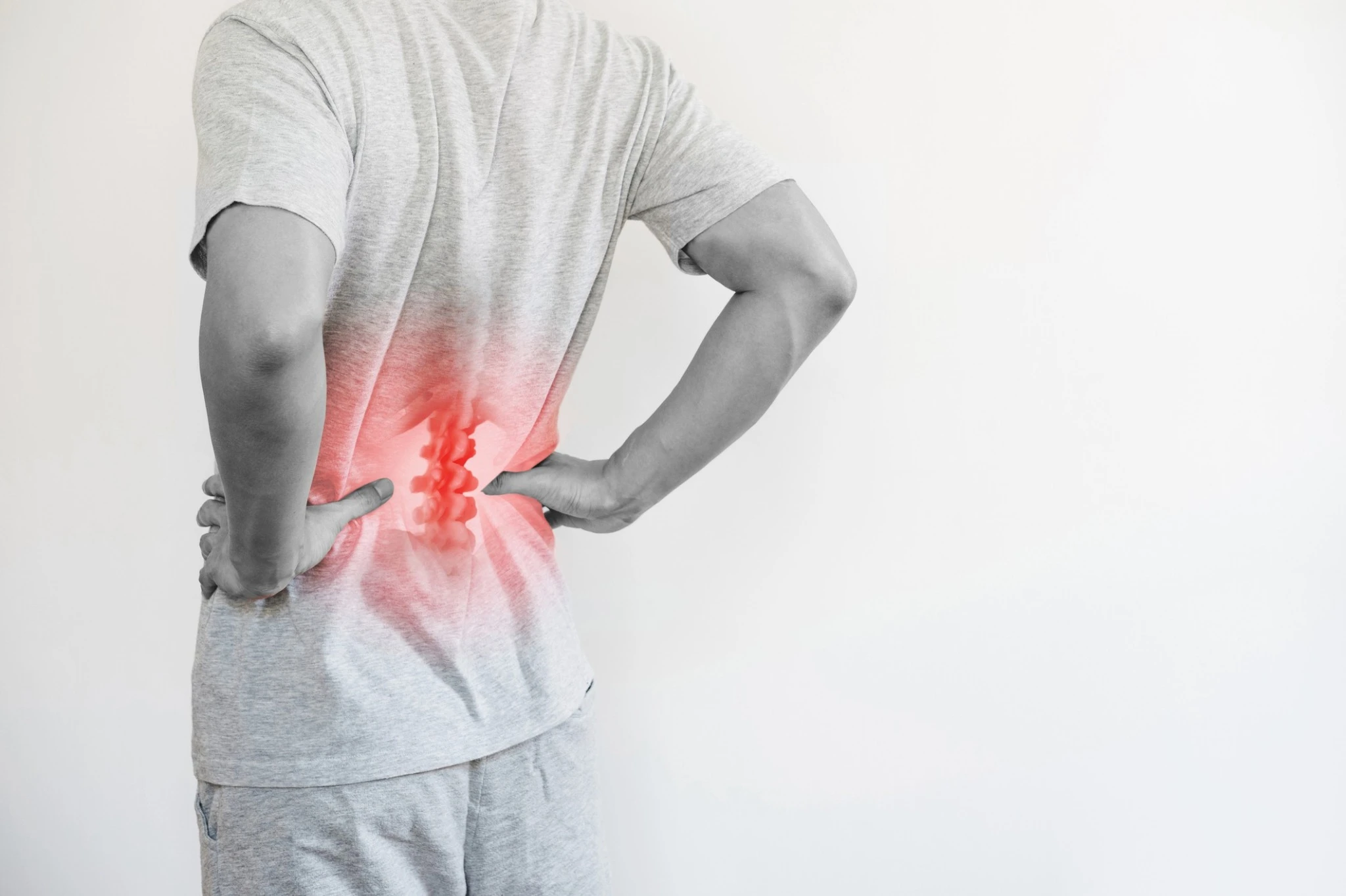
Does a Herniated Disc Heal? What to Know Before Surgery
If you are dealing with back pain, neck pain, or pain that travels into the arm or leg, it is normal to wonder whether a herniated disc can get better or whether surgery is inevitable. That worry is especially common when symptoms include numbness and tingling, a pinched nerve feeling, or sciatica that makes walking, sitting, or sleeping harder than usual.
The short answer is yes, many herniated discs improve without surgery. If you are wondering, does a herniated disc heal, you are not alone. In many cases, pain and nerve irritation improve over time, but healing does not always mean the disc fully returns to normal, and not every case follows the same timeline.

What is a herniated disc?
A herniated disc happens when one of the discs between the bones of the spine pushes outward and irritates nearby tissue or nerves. These discs act like cushions, so when one becomes injured or inflamed, it can lead to pain in the neck or back and sometimes symptoms farther down the body.
That is why a herniated disc may feel like more than just local soreness. Some people have only back and neck pain. Others develop radiating pain, numbness, or tingling because the irritated disc is affecting a nearby nerve.
Does a herniated disc heal on its own?
Yes, a herniated disc can heal on its own without surgery. In many cases, symptoms improve as inflammation settles down, the irritated nerve becomes less sensitive, and the body gradually adapts.
What “healing” means in real life is often symptom improvement. Some people feel much better because the pressure on the nerve becomes less noticeable. In some cases, the body may even reabsorb part of the disc material over time.
That said, recovery is not identical for everyone. Some herniated discs improve steadily with time and conservative care, while others continue to cause pain, weakness, or nerve symptoms that need closer evaluation.
How long does a herniated disc take to heal?
A herniated disc often takes a few weeks to a few months to improve, though the exact timeline varies. Many people begin to notice at least some relief within several weeks, but full recovery can take longer.
The timeline depends on several factors, including how large the herniation is, whether a nerve is involved, where the disc is located, and how your body responds over time. A disc in the lower back may recover differently from one in the neck.
Symptoms can also improve before the disc itself has fully settled. That is one reason people sometimes feel better even though healing is still ongoing.
What symptoms can a herniated disc cause?
A herniated disc can cause local pain, but it can also create nerve-related symptoms. Common herniated disc symptoms include:
- back pain
- neck pain
- radiating arm or leg pain
- numbness and tingling
- burning
- weakness
Some people describe it as a pinched nerve feeling. Others notice pain that shoots into the buttock or leg. In the lower back, that symptom pattern can overlap with radiculopathy, leg pain, or other nerve irritation coming from the spine.
Can a herniated disc cause sciatica?
Yes, a herniated disc can cause sciatica. This is one of the most common ways a lower back disc problem shows up.
If the disc irritates a nerve root that contributes to the sciatic nerve, the result may be sciatica. That can feel like pain, tingling, burning, or numbness traveling from the low back or buttock down the leg. In other cases, the same kind of nerve irritation may simply be described as a pinched nerve.
Is walking good for herniated disc symptoms?
Gentle walking is often helpful, as long as it does not clearly worsen your symptoms. For many people, light movement is better than complete bed rest.
If you are wondering whether walking is good for a herniated disc, the answer depends on the symptom pattern. If walking makes radiating pain, numbness, or weakness significantly worse, that matters. If it feels manageable and does not trigger a flare, gentle walking may support recovery better than staying inactive all day.
The goal is usually steady, tolerable movement, not forcing activity through severe pain. This can be especially important when a herniated disc is also contributing to chronic lower back pain or nerve-related symptoms.
When do you need surgery for a herniated disc?
Surgery is not always the first step, but it can be appropriate in some cases. Many people improve with time and conservative care, so surgery is often considered only when symptoms are severe, persistent, or clearly worsening.
Questions about herniated disc surgery usually come up when pain is not improving, when nerve symptoms are progressing, or when weakness begins to affect normal movement. Surgery may also need to be considered more urgently if there are serious neurologic changes, such as loss of bladder or bowel control or rapidly worsening weakness.
This does not mean surgery is bad or something to fear. It means the need for surgery depends on the full picture, not just the fact that a disc is herniated.
When should you seek a specialist evaluation?
It is reasonable to get checked if your symptoms are persistent, worsening, or radiating into the arm or leg. The same is true if pain is interfering with walking, sleep, work, or other daily activities.
You should also consider a specialist evaluation if symptoms come with numbness and tingling, burning, weakness, or a pattern that feels more nerve-related than muscular. Sometimes a herniated disc overlaps with sciatica, radiculopathy, or broader back and neck pain, which is why the overall symptom pattern matters.
At Spinal Diagnostics, we evaluate herniated disc symptoms and related spine conditions with a careful, patient-focused approach. If you are trying to understand whether your symptoms may improve without surgery or whether something more is going on, requesting an appointment can be a reasonable next step. Surgery is not always the first answer, but a specialist evaluation can help clarify what is causing the pain and what options make sense.
Personalized care for chronic pain, spine conditions, and nerve disorders. Let us help you feel your best again.Live Life Without Pain