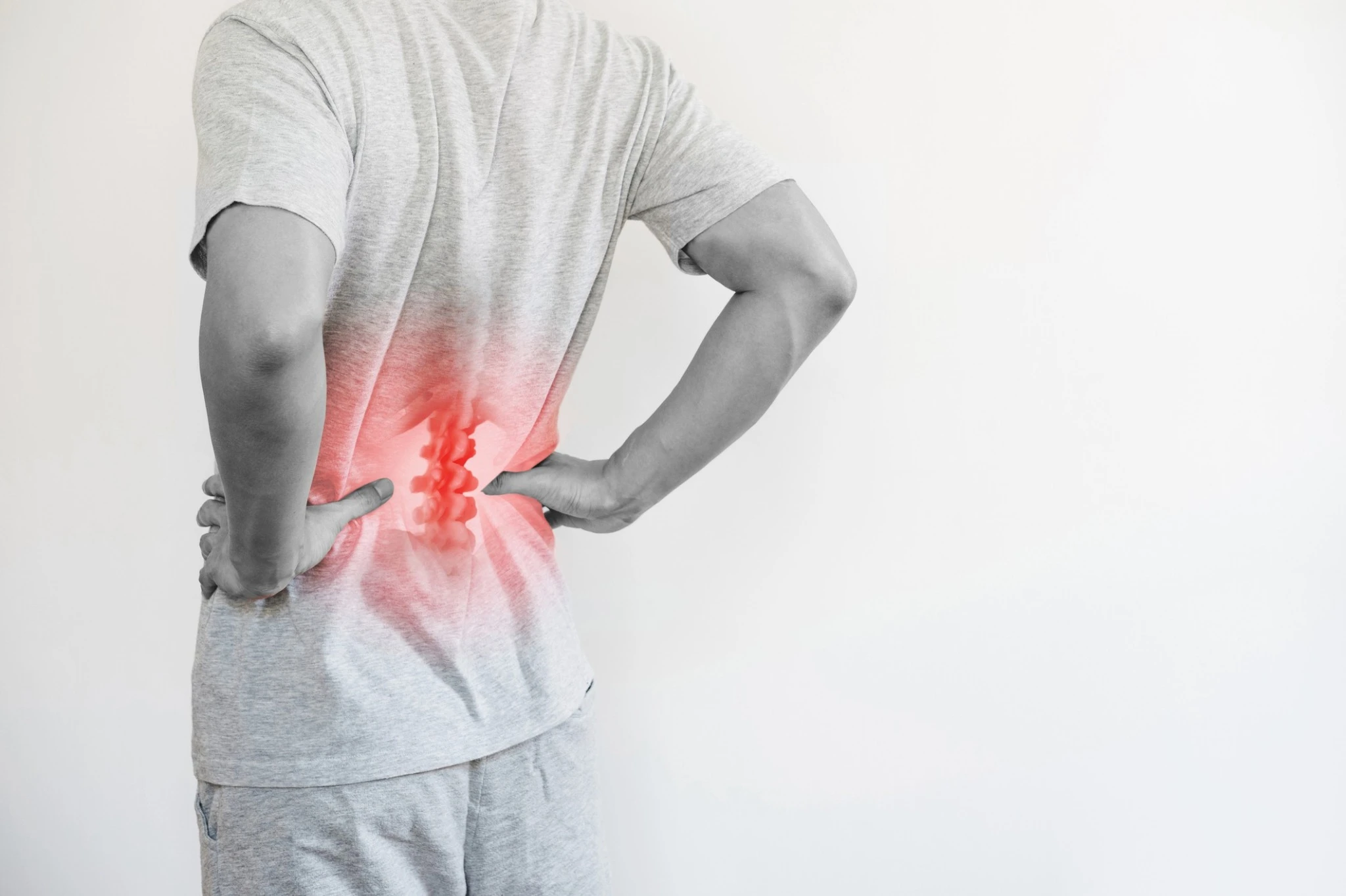
Back Pain Treatment Options: When Minimally Invasive Care May Help
When back pain keeps returning, it can be hard to know what to try next. Many people start with rest, medication, stretching, home care, or physical therapy. Sometimes that is enough. Other times, the pain keeps coming back, travels into the leg, or begins affecting walking, sleep, work, and daily activity.
The right back pain treatment depends on what is causing the pain. Ongoing symptoms may come from muscle strain, joint irritation, back and neck pain, nerve irritation, spinal narrowing, disc problems, or another spine-related issue. That is why treatment is not one-size-fits-all.

What are back pain treatment options?
Back pain treatment options may include conservative care, medication, physical therapy, minimally invasive procedures, or surgery in selected cases. The best option depends on the cause, severity, duration, and whether nerves are involved.
For many people, the first step is conservative care. This may include activity changes, gentle movement, anti-inflammatory medication when appropriate, physical therapy, posture adjustments, or guided exercise. A non-invasive back pain treatment plan may be enough when symptoms are recent, mild, or improving steadily.
If symptoms persist or become more complex, a spine evaluation can help clarify what is happening. That does not automatically mean surgery. It simply means the pain pattern may need a more specific diagnosis and a more targeted plan.
What is minimally invasive back pain treatment?
Minimally invasive back pain treatment refers to procedures designed to address pain with less tissue disruption than major surgery. These options may be considered when conservative care has not provided enough relief and the pain source appears treatable with a targeted approach.
Examples may include back injections, spinal injections, certain procedures for spinal stenosis, or other image-guided interventions. These are not the right fit for every person, but they can be part of chronic back pain treatment, chronic lower back pain treatment, or lower back pain treatment when symptoms and imaging findings support that direction.
The goal is not to skip proper evaluation. The goal is to match the treatment to the problem.
When is back pain treatment more than rest or medication?
Back pain may need more than rest or medication when it keeps returning, lasts for weeks or months, radiates into the leg, or interferes with normal life.
Pain that stays local and improves steadily may not need advanced care. But if pain travels into the buttock or leg, causes numbness or tingling, worsens with walking, or keeps interrupting sleep, the issue may involve a nerve or structural spine problem.
This is often when people begin looking for doctors that treat back pain, back specialists, a spine specialist, or pain management services. A specialist can help determine whether the pain is more consistent with sciatica, a pinched nerve, radiculopathy, or another spine-related condition.
Minimally invasive care depends on the cause of pain
Minimally invasive treatment only makes sense when it targets the likely cause of the pain. A treatment that helps one condition may not help another.
Sciatica and pinched nerve pain
Sciatica often describes pain that travels from the lower back or buttock into the leg. It may feel sharp, burning, electric, or numb. In some cases, sciatica treatment options may include physical therapy, medication, and sometimes injections when nerve irritation is significant.
A pinched nerve treatment in the lower back may also depend on what is irritating the nerve. A herniated disc, inflammation, narrowing around the nerve, or other spine changes may all create similar symptoms. When leg pain is part of the picture, the source may not always be in the leg itself.
Spinal stenosis
Spinal stenosis happens when spaces in the spine narrow and place pressure on nearby nerves. It may cause back pain, leg pain, heaviness, numbness, or symptoms that worsen with standing or walking.
Some people with spinal stenosis want to understand treatment options that may be available before major surgery. In selected cases, spinal stenosis treatment without surgery may include conservative care, injections, or minimally invasive procedures such as the MILD procedure or Vertiflex procedure.
These are not general treatments for all back pain. The right approach depends on the type of stenosis, symptoms, imaging findings, and overall health.
Herniated disc and degenerative disc disease
A herniated disc can irritate nearby nerves and cause back pain, sciatica-like symptoms, numbness, or tingling. Degenerative disc disease can cause recurring stiffness, aching, or chronic lower back pain.
These conditions do not always require invasive care. But if symptoms persist despite conservative treatment, a more focused evaluation can help determine whether non-surgical back pain treatment, spinal injections, or another option may be appropriate.
When should I consider back injections for pain?
Back injections may be considered when pain appears to involve inflammation, nerve irritation, or a specific spine-related pain source that can be targeted.
Whether they are described as lower back injections, an epidural back shot, an epidural shot procedure, a cortisone shot for your back, or an injection in your back for pain, the basic idea is similar. These treatments are intended to deliver medication near an irritated area, such as an inflamed nerve or painful spinal structure.
Some people also refer to them more generally as shots in the back to relieve pain.
Many people ask whether back injections are safe. Safety depends on the person, the diagnosis, the procedure, and the provider’s technique. A qualified specialist can explain the purpose, potential benefits, and risks before any procedure is considered.
What are MILD and Vertiflex?
The MILD procedure and Vertiflex are minimally invasive options used in certain cases of lumbar spinal stenosis. They are not general treatments for every type of back pain.
The MILD procedure for back pain is used in specific spinal stenosis cases where thickened tissue contributes to narrowing in the spinal canal. This is sometimes called the MILD procedure for spinal stenosis or a MILD back procedure.
The Vertiflex procedure uses a small spacer to help create more room in the spine in selected patients with lumbar spinal stenosis. A Vertiflex spacer or Vertiflex procedure for spinal stenosis may be discussed when symptoms, imaging, and overall health make it a possible fit.
Both options require careful evaluation. Neither should be viewed as a one-size-fits-all answer.
When should ongoing back pain be evaluated?
Ongoing back pain should be evaluated when it lasts longer than expected, keeps returning, or is not improving enough with rest, medication, home care, or physical therapy.
It is also important to get checked if pain:
- radiates into the leg
- causes numbness or tingling
- worsens with walking or standing
- affects sleep or daily function
These patterns may suggest nerve involvement or a structural spine issue that needs a closer look.
Seek more urgent medical attention if back pain comes with:
- sudden weakness
- loss of bladder or bowel control
- major or rapidly spreading numbness
- symptoms after a serious injury
At Spinal Diagnostics, we evaluate back pain, sciatica-like symptoms, pinched nerves, radiculopathy, and related spine conditions with a careful, patient-focused approach. If ongoing pain is limiting your routine, requesting an appointment can help clarify what is causing it and which treatment options may make sense.
From spine injections to nerve blocks and cutting-edge therapies, we help you move forward, pain free.Take the First Step Toward Relief