Do You Need an MRI for Back Pain? What It Can and Can’t Show
If you have ongoing or recurring back pain, it is natural to wonder whether you need an MRI. An MRI for back pain can be useful in certain situations, but not everyone needs imaging right away.
Not everyone with back pain needs an MRI. Imaging may be considered when symptoms persist, worsen, follow a significant injury, or suggest possible nerve involvement. The decision depends on your symptoms, medical history, examination findings, and overall clinical picture.
An MRI can provide detailed images of structures in and around the spine. However, an MRI result does not automatically identify the exact cause of pain. It is one part of the evaluation, not the whole answer.
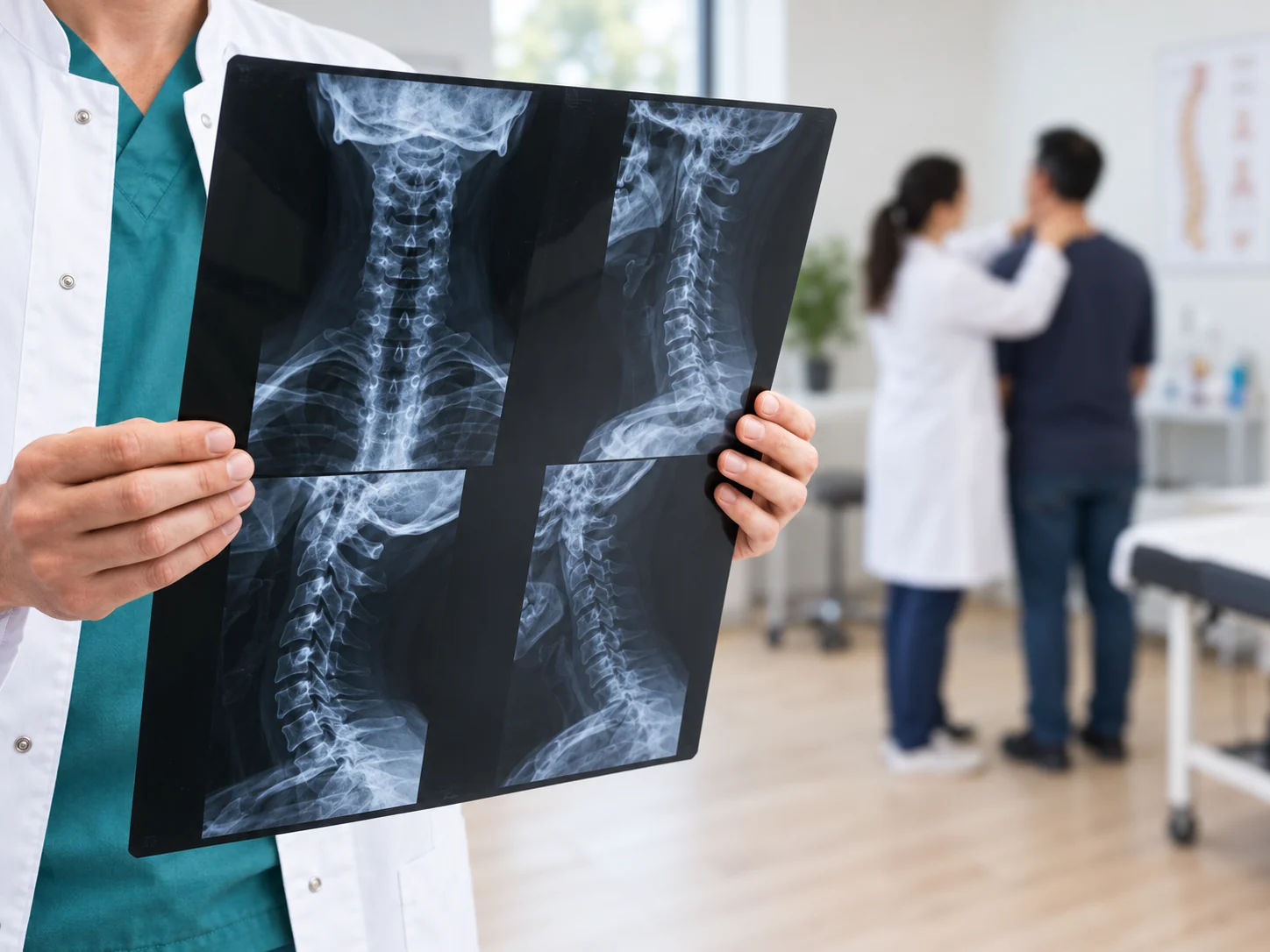
Do You Need an MRI for Back Pain?
You may need an MRI for back pain if symptoms are persistent, worsening, radiating into the leg, or accompanied by numbness, tingling, weakness, or changes in walking. However, many cases of back pain can be evaluated first without immediate imaging.
A provider may ask how long the pain has been present, whether it is improving, and how much it affects your daily activities. They may also ask whether symptoms travel into the buttock or leg or whether you have changes in sensation or strength.
A careful evaluation of back and neck pain can help determine whether imaging may add useful information. Requesting an evaluation does not automatically mean an MRI will be ordered.
Why Is an MRI Not Always Necessary Right Away?
Many episodes of back pain improve over time without advanced imaging. When pain is recent, gradually improving, and not accompanied by concerning symptoms, an MRI may not be the first step.
One reason is that imaging findings do not always match how someone feels. Some people have visible spinal changes but few symptoms. Others experience meaningful pain even when an MRI does not reveal a dramatic structural problem.
An MRI also does not measure pain intensity or show how much pain affects sleep, work, walking, or everyday activities. Those details still matter.
When May a Provider Consider MRI Imaging?
A provider may consider MRI when back pain is not improving as expected, is becoming more limiting, or repeatedly returns. Imaging may also become more useful when the symptom pattern suggests that something deeper in the spine or a nearby nerve should be examined more closely.
MRI may be more relevant when pain follows a significant injury or is accompanied by numbness, tingling, weakness, radiating leg pain, or changes in walking or balance.
There is no single number of days or weeks after which everyone with back pain needs an MRI. Timing depends on the individual clinical situation.
What Does an MRI Show for Back Pain?
An MRI can provide detailed images of the discs, nerves, spinal canal, and other structures around the spine. It may help identify disc problems, possible nerve compression, spinal stenosis, or other structural changes.
A lumbar spine MRI focuses on the lower back. It can help a provider see whether a disc is bulging or herniated, whether the spinal canal is narrowed, or whether a structural change may be affecting nearby nerves.
Still, a visible finding is not automatically the source of the pain. Imaging findings need to make sense alongside the person’s symptoms and examination.
Will an MRI Show a Pinched Nerve?
An MRI may show structural changes that are compressing or affecting a nerve, such as a disc problem or narrowing around the nerve. However, those findings still need to match the person’s symptoms and physical examination.
A pinched nerve may be considered when pain travels into an arm or leg or occurs with numbness, tingling, burning, or weakness. MRI can sometimes help identify where compression may be occurring, but the image alone does not confirm that a particular finding is responsible for the symptoms.
Can MRI Show a Herniated Disc or Spinal Stenosis?
Yes. MRI can often show whether a disc is bulging or herniated, whether spinal stenosis is causing narrowing, or whether age-related degenerative changes are present.
The important question is whether those findings fit the person’s symptoms. Not every disc bulge causes pain, and not every degenerative change requires treatment.
That is why an MRI report should be interpreted together with the clinical evaluation rather than viewed as a diagnosis by itself.
Will MRI Show Sciatica?
An MRI does not show “sciatica” itself because sciatica describes a pattern of symptoms. It may, however, reveal a structural issue that could contribute to pain traveling from the lower back or buttock into the leg.
Depending on the symptom pattern, a provider may also consider radiculopathy, sciatica, or other causes of leg pain.
What Can’t an MRI Tell You by Itself?
An MRI shows anatomy, but it cannot always tell exactly which finding is causing pain or how severe that pain feels.
It also cannot determine by itself how much symptoms affect daily life, whether every visible change is clinically important, or which treatment would work best.
A person can have a relatively normal-looking MRI and still experience real pain. Likewise, someone can have several visible structural changes without significant symptoms. Neither situation should be interpreted without the full clinical context.
When Nerve-Related Symptoms May Make Imaging More Relevant
Pain that travels into the buttock or leg may make MRI more useful in some situations, particularly when it persists or worsens. Numbness, tingling, burning, weakness, or changes in walking may also suggest possible nerve involvement.
These symptoms do not automatically mean an MRI is required. They do give a provider additional information when deciding whether imaging may help clarify what is happening.
When Back Pain Needs More Urgent Medical Attention
Most back pain is not an emergency. However, prompt medical attention may be appropriate for sudden or significant weakness, rapidly worsening numbness, loss of bladder or bowel control, new major difficulty walking, severe pain after a significant injury, fever with severe back pain, or other rapidly worsening neurologic symptoms.
What Happens If a Provider Recommends Imaging?
If a provider recommends an MRI, the goal is usually to gather more information about what may be contributing to your symptoms. Having an MRI does not automatically mean injections, a procedure, or surgery will be recommended.
At Spinal Diagnostics, we evaluate back pain and nerve-related symptoms based on the full clinical picture. If your symptoms persist, worsen, travel into the leg, or occur with numbness, tingling, weakness, or changes in walking, an evaluation can help determine whether MRI imaging is an appropriate next step.
Personalized care for chronic pain, spine conditions, and nerve disorders. Let us help you feel your best again.Live Life Without Pain