Relief for SI Joint Pain: Physical Therapy Strategies That Make a Difference

Sacroiliac (SI) joint pain can make daily activities hard. It can affect how you sit, move, or sleep. Many people notice SI joint pain gets worse at night when lying down. The joint may hurt during sleep, making restful sleep harder. Others struggle with posture during the day and wonder how to sit with SI joint pain without triggering discomfort.
The good news is that targeted physical therapy strategies can make a meaningful difference. By improving posture, many patients feel real relief from sacroiliac joint pain.
Strengthening the muscles that support the joint can also help.
Changing how you sleep and sit may reduce pain too.
Below are practical strategies that can help reduce symptoms and support long-term recovery.
What Is SI Joint Pain?
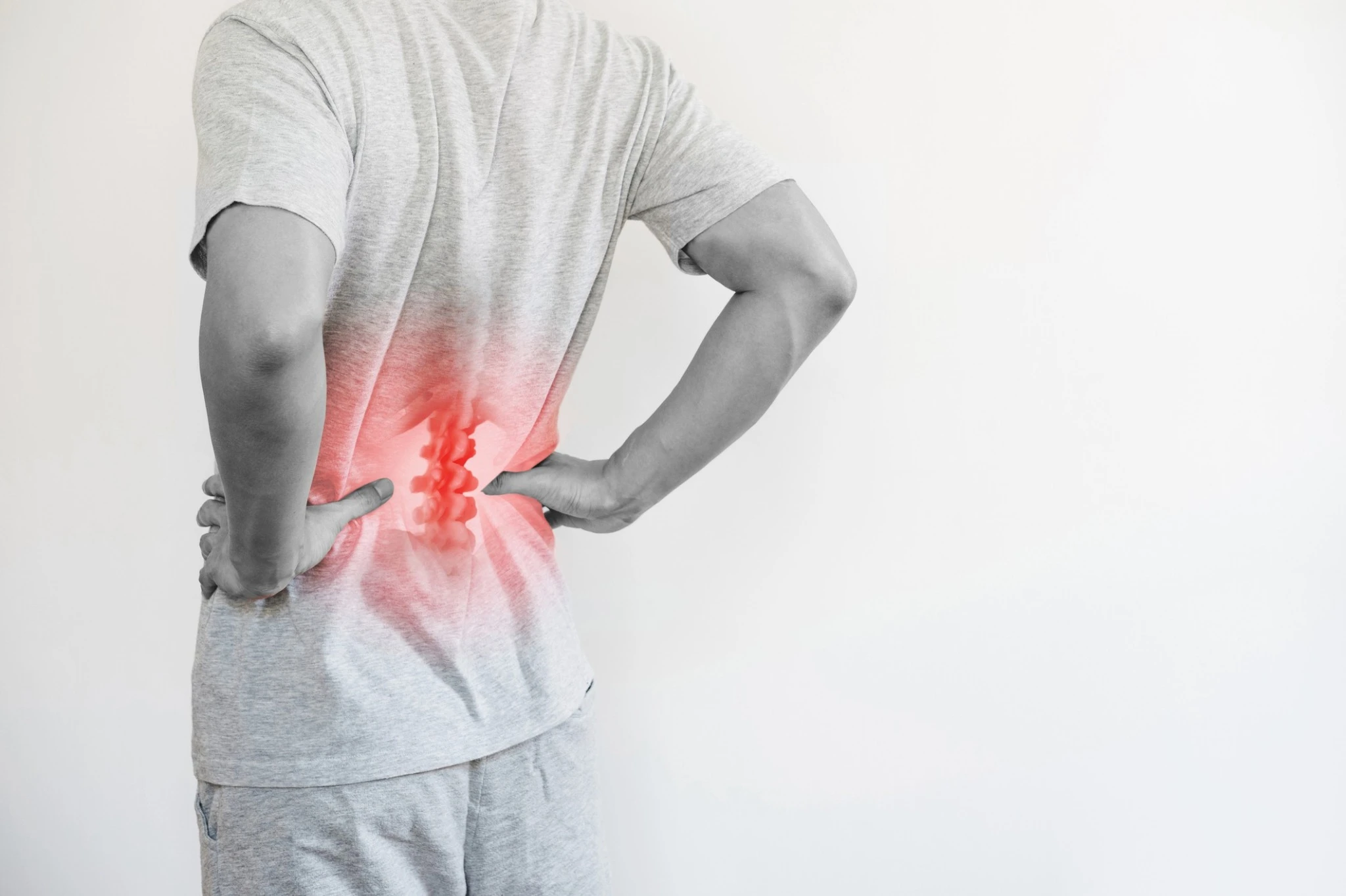
The sacroiliac joints sit where the lower spine meets the pelvis. These joints help transfer weight between the upper body and the legs. When the joint becomes inflamed, unstable, or irritated, it can lead to what is known as SI joint dysfunction.
In some cases, people may experience instability such as SI joint dislocation, sacroiliac dislocation, or even a dislocated sacrum after trauma or severe strain. These conditions may also be described as SI dislocation or SI joint diastasis.
Typical symptoms include:
- Pain in the lower back or pelvis
- Discomfort when standing, walking, or turning in bed
- SI joint pain at night
- Pain that radiates into the hips or legs
Understanding how posture and daily habits affect the joint is often the first step toward relief.
What Is the Best Sleeping Position for SI Joint Pain?
The best sleeping position for SI joint pain is usually on your side with proper support between the knees or under the pelvis.
Side sleeping helps keep the pelvis aligned and reduces pressure on the sacroiliac joints. Many patients searching for the best way to sleep with SI joint pain find relief when they add supportive pillows.
Helpful strategies include:
- Sleeping on your side with a sacroiliac pillow or SI joint pillow between the knees
- Using an SI joint sleeping pillow to stabilize the pelvis
- Choosing the best mattress for SI joint pain, ideally one that supports the spine without being overly firm
These adjustments can improve sleeping position sacroiliac joint pain relief and reduce nighttime discomfort. Expert solutions for back, neck, and nerve pain, focused on restoring your quality of life.Schedule Your Appointment Today
Sleeping With Sacroiliac Joint Pain: Practical Tips
If you are sleeping with sacroiliac joint pain, small changes can make a noticeable difference.
Many patients ask, how to sleep with SI joint pain or what is the best sleeping position for sacroiliac pain?
Here are commonly recommended approaches:
- Side sleeping with a pillow between the knees
- A small pillow under the waist for added support
- Avoiding stomach sleeping, which can twist the pelvis
- Choosing the best mattress for sacroiliac joint pain for proper spinal alignment
For some conditions, such as ankylosing spondylitis sleeping position sacroiliac joint pain relief, maintaining a neutral spine while sleeping is particularly important.
How to Sit With SI Joint Pain
Sitting posture can also influence SI joint discomfort. Many people spend long hours seated, which may worsen symptoms if the pelvis is not supported.
Patients frequently ask:
- How to sit with SI joint pain
- Best sitting position for SI joint pain
- Best way to sit with SI joint pain
The goal is to keep the spine and pelvis neutral.
Helpful posture tips include:
- Sitting with feet flat on the floor
- Keeping the hips slightly higher than the knees
- Using lumbar support to reduce pelvic strain
- Avoiding crossing legs for long periods
Correct sitting posture can reduce pressure on the sacroiliac joints and improve daily comfort.
SI Joint Pain During Pregnancy
SI joint pain pregnancy is extremely common. Hormonal changes loosen ligaments around the pelvis, which can make the joint more unstable.
Many pregnant patients experience:
- SI joint pain during pregnancy
- Sacroiliac joint pain pregnancy
- Pain in sacrum during pregnancy
- Pregnancy SIJ pain
Others may notice symptoms like SI joint pain while pregnant or pregnancy sacroiliac pain during routine activities such as walking or turning in bed.
When Does SI Joint Pain Start in Pregnancy?
SI joint pain early pregnancy can begin as hormones start relaxing pelvic ligaments. However, symptoms are often more noticeable during the second and third trimesters.
Patients frequently ask:
- When does SI joint pain start in pregnancy?
- Sacroiliac joint pain pregnancy first trimester
- SI joint dysfunction pregnancy
While every pregnancy is different, pelvic changes and weight distribution commonly contribute to SI pain pregnancy as the body adapts.
Physical Therapy Strategies for Pregnancy SI Joint Pain
Physical therapy plays a key role in managing sacroiliac joint pain during pregnancy. Safe strengthening and stabilization exercises can improve pelvic support and reduce discomfort.
Common approaches include:
- SI joint pain pregnancy exercises to strengthen core and hip muscles
- SI joint exercises pregnancy that improve pelvic stability
- Sacroiliac joint pain exercises during pregnancy to maintain mobility
These exercises can help relieve SI joint pain pregnancy and improve comfort throughout pregnancy.
Patients often ask how to relieve sacrum pain during pregnancy, and guided movement programs are often one of the safest and most effective options.
Postpartum SI Joint Pain
Pelvic instability does not always disappear immediately after delivery. Some patients continue experiencing postpartum SI joint pain or sacroiliac joint pain postpartum as the body recovers.
Rehabilitation during the postpartum period often focuses on:
- Core stabilization
- Pelvic floor strengthening
- Restoring normal joint movement
This approach helps reduce ongoing symptoms and supports long-term pelvic health.
Can Physical Therapy Help SI Joint Pain?
Yes. Physical therapy is often one of the most effective non-surgical treatments for sacroiliac joint pain.
Treatment may include:
- Strengthening exercises
- Postural training
- Manual therapy
- Movement retraining
When combined with proper SI joint sleeping position and ergonomic sitting habits, many patients experience significant improvement. Personalized care for chronic pain, spine conditions, and nerve disorders. Let us help you feel your best again.Live Life Without Pain
When Should You Seek Professional Care?
If SI joint pain interferes with daily activities, sleep, or pregnancy comfort, professional evaluation can help identify the underlying cause.
You should consider consulting a specialist if you experience:
- Persistent SI joint pain at night
- Difficulty sitting or walking comfortably
- Pain following possible SI joint dislocation or trauma
- Severe or debilitating SI joint pain pregnancy
Early treatment can often prevent symptoms from worsening and help restore healthy movement patterns.
Final Thoughts
SI joint pain can affect sleep, posture, and everyday movement, but targeted physical therapy strategies can provide meaningful relief. Improving the best sleeping position for SI joint pain, adjusting sitting posture, and strengthening supportive muscles can reduce strain on the sacroiliac joint.
Whether symptoms are related to posture, injury, or sacroiliac joint pain pregnancy, a structured rehabilitation plan can help restore comfort and stability. With the right guidance, many people find lasting relief and return to daily activities with greater confidence.