
Meta Pixel

New Interspinous Spacers Provide Drug-Free Pain Relief From Spinal Stenosis

Spinal Stenosis Spacers

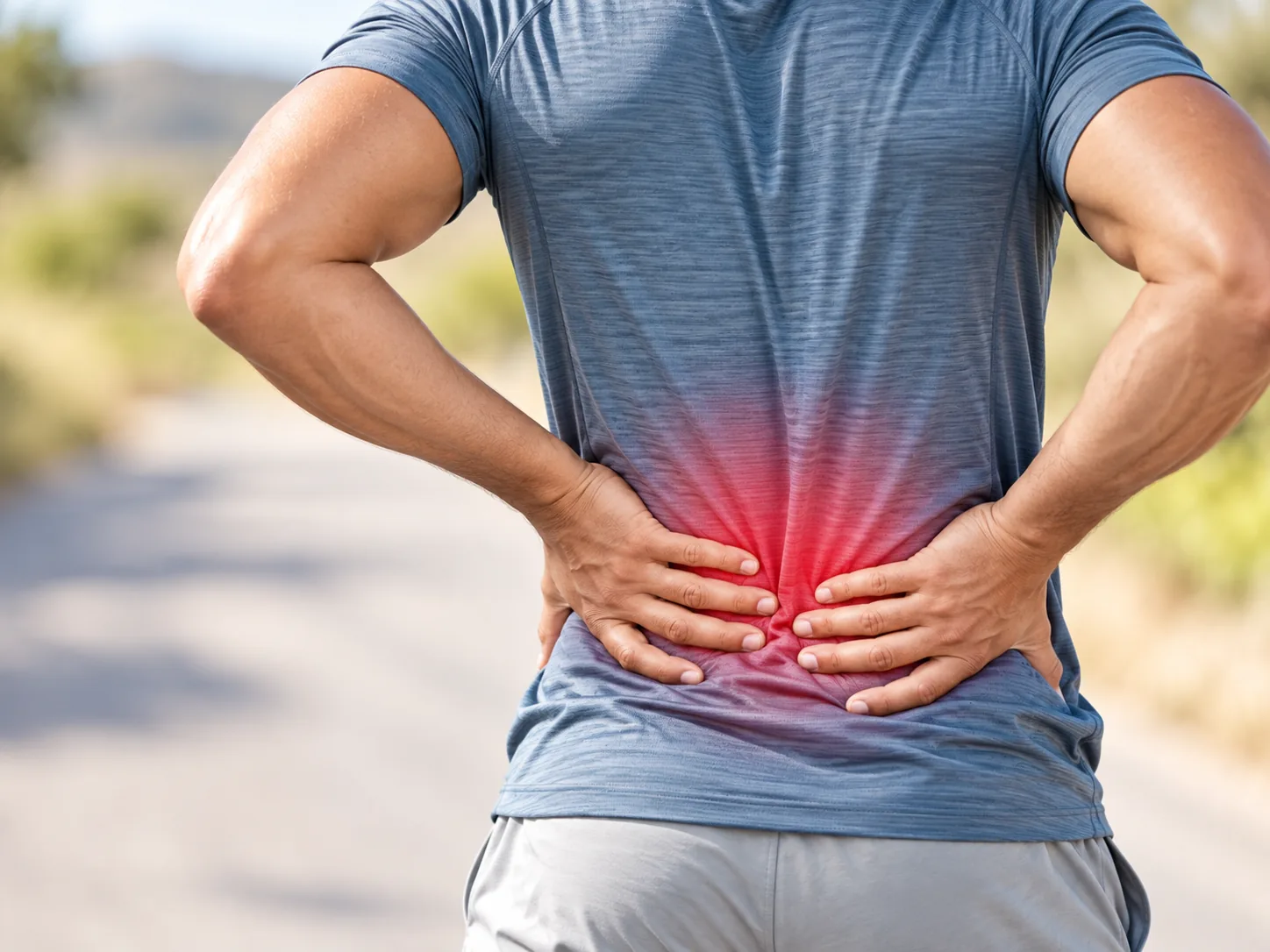
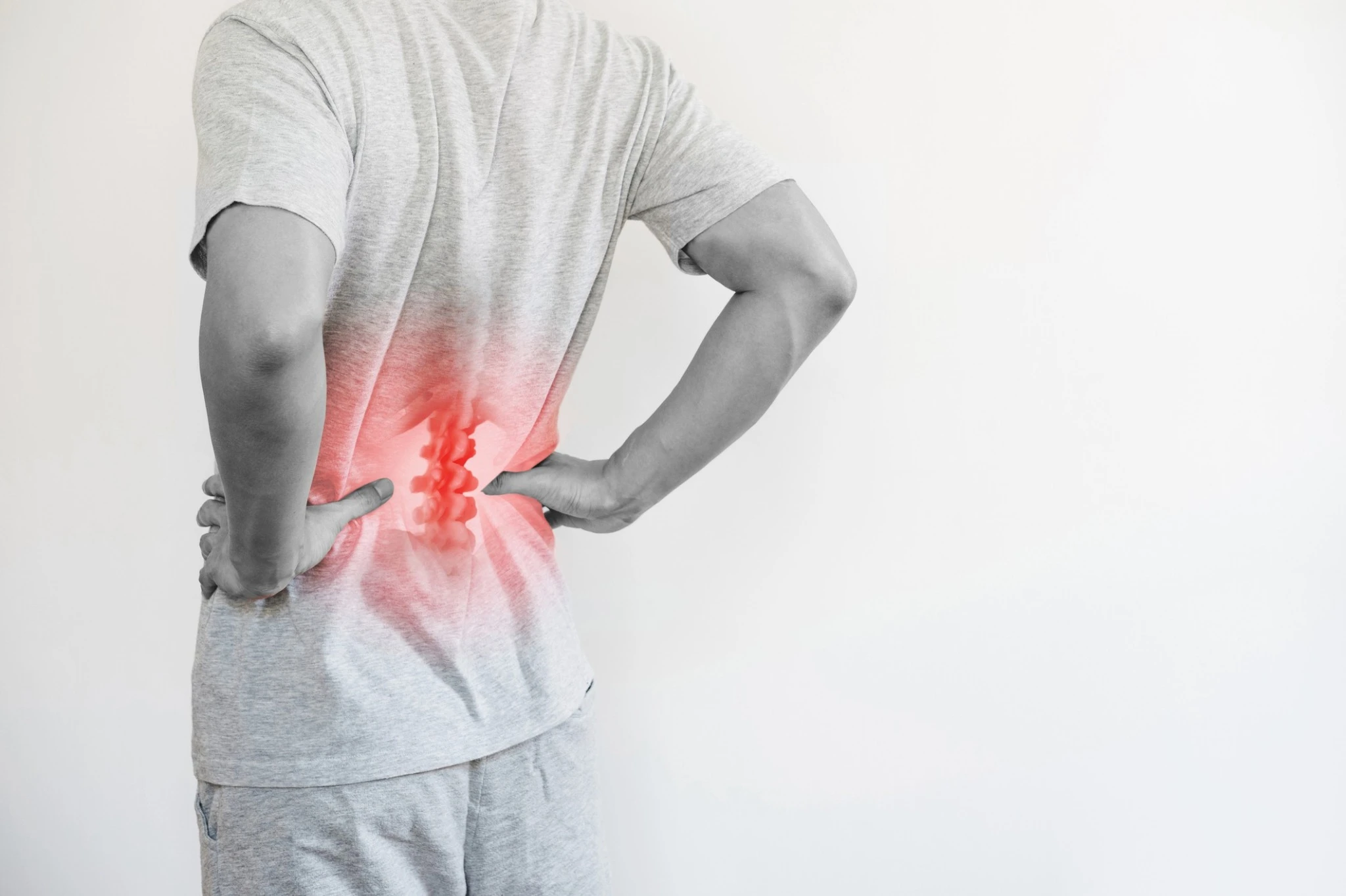
Spinal stenosis is a condition in which spaces within the spine narrow, putting pressure on the nerves that travel through the spine. This condition can cause pain, numbness, and weakness — often in the lower back and legs.

Fortunately, there’s a new minimally invasive treatment available: interspinous spacers. At Spinal Diagnostics, we offer this innovative procedure to patients seeking drug-free, long-term relief from spinal stenosis.
What are interspinous spacers?

Interspinous spacers are small devices placed between the spinous processes (bony projections at the back of the spine) to create more space in the spinal canal. This relieves pressure on the nerves without removing any bone or tissue.

The procedure is performed through a small incision and requires no general anesthesia. Most patients go home the same day.

Benefits of the spacer procedure

Many patients choose interspinous spacers because the treatment:

  • Provides rapid relief from leg and back pain
  • Involves minimal downtime
  • Preserves the structure of the spine
  • Reduces the need for opioids or other medications
  • Can be reversed or adjusted if necessary

This makes interspinous spacers a great option for patients who want to avoid open back surgery or long-term medication use.

Am I a good candidate?

This treatment is often recommended for patients with moderate lumbar spinal stenosis who find relief from bending forward or sitting. A thorough evaluation is necessary to confirm whether spacers are appropriate for your condition.

At Spinal Diagnostics, our team uses advanced imaging and physical assessments to determine the best course of action for each patient.

If you’ve been diagnosed with spinal stenosis and are looking for alternatives to medication or surgery, contact us today to learn more about this drug-free, minimally invasive treatment option.
FOLLOW US

Shoulder Injury Prevention When Lifting

Shoulder Injury Prevention When Lifting   Shoulder pain is one of the most common issues for people who lift weights. Whether you’re a beginner or a seasoned athlete, improper technique or overtraining can lead to discomfort and even long-term injuries. If you’ve...

Virtual Physical Therapy: A New Approach to Chronic Pain Care

Virtual Physical Therapy: A New Approach to Chronic Pain Care   For millions of people living with back, neck, or joint pain, traveling to in-person therapy appointments can be exhausting or even impossible. That’s why virtual care has become a powerful...

Why Is My Knee Popping?

Why Is My Knee Popping? You’re walking across the room or going for a run when suddenly—pop! That unexpected sound or sensation coming from your knee can be surprising or even concerning. Knee popping, clicking, or cracking noises are common, but when they’re paired...

Non-Surgical Solutions for Nerve Pain Relief

Non-Surgical Solutions for Nerve Pain Relief Living with chronic nerve pain can be exhausting. The burning, tingling, or stabbing sensations in the feet, legs, or back can make even simple daily tasks difficult. While some people rely on prescription medications,...

Telehealth Physical Therapy for Seniors

Telehealth Physical Therapy for Seniors Telehealth has transformed the way healthcare is delivered, and physical therapy is no exception. For many older adults, virtual appointments mean fewer barriers to care and more flexibility. But seniors and their families often...

The Link Between Poor Posture and Jaw Pain

The Link Between Poor Posture and Jaw Pain When most people think about posture, they imagine standing up straight or avoiding slouching at a desk. But posture affects more than just your back and shoulders—it can also influence...

Front of Ankle Pain: Causes & Treatments

Front of Ankle Pain: Causes & Treatments Pain in the front of the ankle or along the inner arch of the foot can be frustrating, especially if it keeps you from walking, running, or exercising comfortably. Whether you’re feeling inner arch foot pain, experiencing a...

Physical Therapy for Cervical Dystonia

Physical Therapy for Cervical Dystonia   Cervical dystonia is a neurological condition that causes involuntary muscle contractions in the neck, often resulting in abnormal head posture, pain, and stiffness. Also known as...

Can Physical Therapy Help With Weight Loss and Arthritis?

Can Physical Therapy Help With Weight Loss and Arthritis? Living with arthritis can feel like you’re in a constant balancing act. On one hand, staying active is essential to managing joint pain and maintaining mobility. On the...

Is Walking Good Exercise? Relieve Back & Joint Pain

Is Walking Good Exercise? Relieve Back & Joint Pain   Back pain is one of the most common reasons people skip workouts, especially activities like running or jogging. But here’s something many don’t realize—walking may be one of the most effective low-impact...