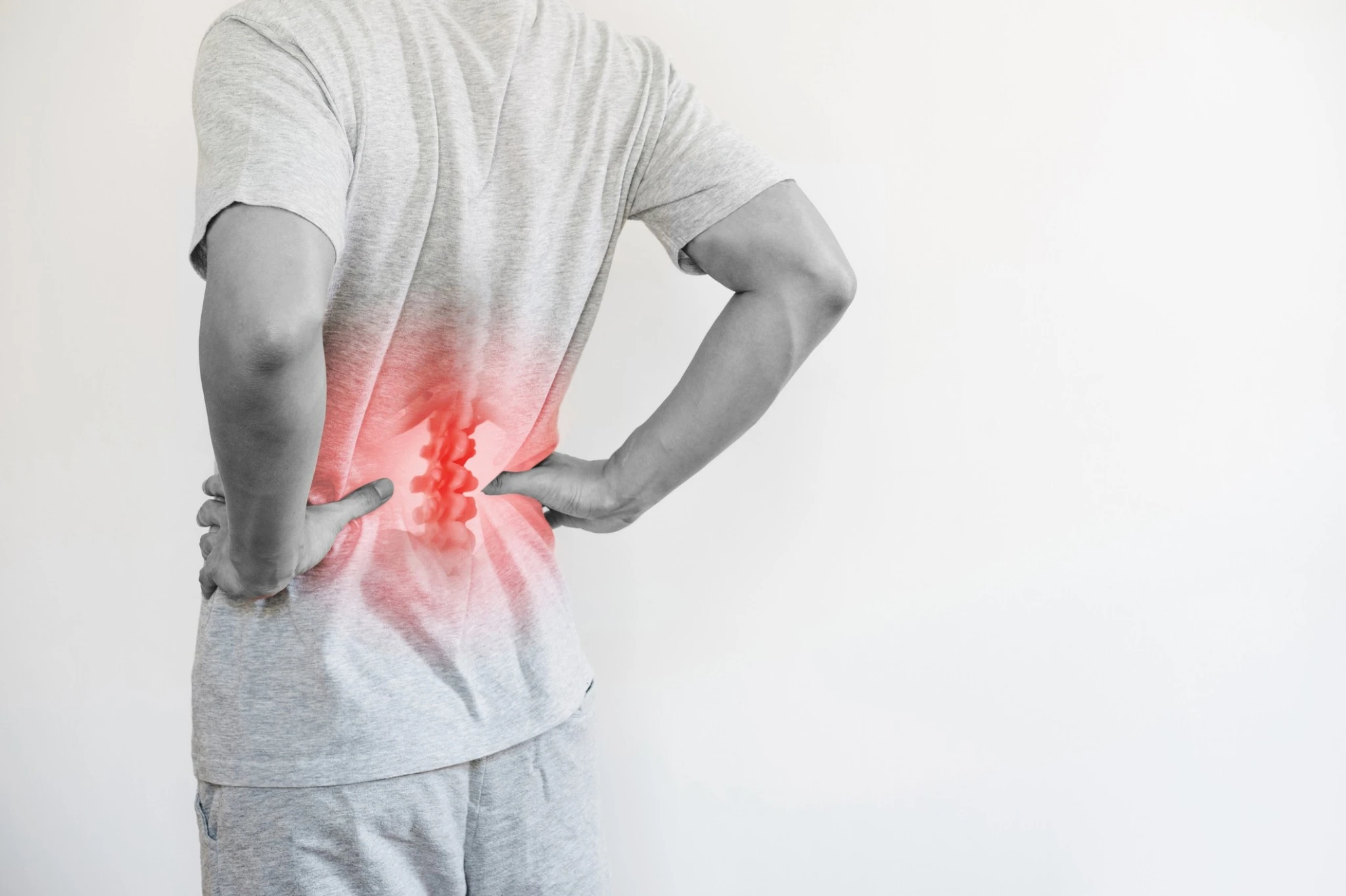
Emerging Non-Opioid Treatments for Chronic Back Pain
Chronic back pain is one of the most common reasons people seek medical care. While medications have traditionally been used to manage symptoms, there is growing interest in non-opioid approaches that focus on long-term relief rather than short-term masking.
Today, treatments like physical therapy for back pain, targeted movement, and even massage therapy for back pain are helping patients recover more effectively. If you’ve ever wondered does massage help lower back pain or what doctor to see for lower back pain, this guide breaks down the most effective non-opioid options available.

Does Massage Help Lower Back Pain?
Short answer: yes, massage can help relieve lower back pain, especially when combined with other treatments.
Massage works by improving circulation, reducing muscle tension, and helping the body relax. Many patients experiencing a sore back massage or backache massage find temporary relief, particularly when muscle tightness is a major factor.
People often ask:
- Does massage help back pain?
- Can a massage help with lower back pain?
- Will a massage help with lower back pain?
The answer depends on the cause, but for many soft tissue-related issues, massage is a helpful part of a broader recovery plan.
Best Type of Massage for Lower Back Pain
Not all massages are the same. The best type of massage for lower back pain depends on the source of the discomfort.
Common options include:
- Lumbar massage for targeted lower back tension
- Spinal massage for overall alignment and muscle relaxation
- Deep tissue techniques for chronic tightness
- Gentle techniques for acute pain or lower back strain massage
If you’re exploring the best massage for back pain or best massage for sore lower back, working with a trained provider ensures the right approach for your condition.
How to Massage Lower Back Pain Safely
Short answer: use gentle, controlled movements and avoid excessive pressure on the spine.
If you’re trying to massage your lower back at home, start with simple techniques:
- Circular motions on the muscles beside the spine
- Light pressure using palms or fingers
- Slow, consistent movements
These basic lower back massage techniques can help reduce tension and improve comfort.
Many people also look for:
- Massage techniques for lower back pain
- Back massage techniques for back pain
- Massage moves for lower back
While self-massage can help, persistent pain often requires professional care.
When Massage Alone Isn’t Enough
Massage can provide relief, but it doesn’t always address the root cause of pain. If you’re dealing with ongoing discomfort, combining massage with other therapies is often more effective.
For example:
- Back massage therapy can reduce tension
- But physical therapy for back strain can correct movement patterns
- And exercise to relieve back muscle spasm can improve long-term stability
This combination approach is often the most effective form of back pain physical therapy treatment.
The Role of Physical Therapy in Back Pain Relief
Short answer: physical therapy addresses the cause of back pain, not just the symptoms.
A structured program may include:
- Strengthening exercises
- Mobility work
- Postural correction
- Manual therapy
Patients searching for physical therapy for strained lower back or lower back pain and physiotherapy often benefit from personalized treatment plans.
A physical therapist for back pain focuses on restoring function and preventing recurrence, making it one of the most effective non-opioid solutions.
Personalized care for chronic pain, spine conditions, and nerve disorders. Let us help you feel your best again.Live Life Without Pain
Can Stretching Help With Back Pain?
Yes. Stretching plays a key role in reducing muscle tension and improving mobility.
Helpful approaches include:
- Stretches for back muscle spasms
- Gentle mobility exercises
- Core stabilization work
When combined with massage for sore lower back and strengthening exercises, stretching supports long-term recovery.
When Should You See a Doctor for Back Pain?
Short answer: see a doctor if pain is severe, persistent, or affecting daily function.
Many people ask:
- What doctor to see for lower back pain?
- What dr do you see for back pain?
- Lower back pain what specialist to see?
Options may include:
- A back pain doctor
- A physical therapist
- Lower back pain specialists such as orthopedic or spine specialists
When Is Back Pain an Emergency?
Seek immediate care if back pain is accompanied by serious symptoms.
Warning signs include:
- Loss of bladder or bowel control
- Severe weakness in the legs
- Sudden, intense pain after trauma
These are situations where people often ask:
- When is back pain an emergency?
- When to go to the hospital for lower back pain?
In these cases, prompt medical evaluation is critical.
Choosing the Best Approach for Your Back Pain
There is no single solution that works for everyone. The most effective approach often combines:
- Massage for spine pain or bad back massage for symptom relief
- Physical therapy techniques for lower back pain for long-term improvement
- Movement and lifestyle adjustments
If you’re searching for the best back massage for back pain or wondering whether therapy can help, the answer is often yes—but as part of a comprehensive plan.
From spine injections to nerve blocks and cutting-edge therapies, we help you move forward, pain free.Take the First Step Toward Relief
Final Thoughts
Chronic back pain doesn’t always require medication to improve. Non-opioid treatments like massage therapy for back pain, physical therapy for back problems, and targeted exercises can provide meaningful relief while addressing the root cause.
Whether you’re exploring back massage for lower back pain, looking into lower back pain specialists, or simply trying to understand your options, early action and the right combination of treatments can make a significant difference.