The Cost of Waiting: Benefits of Physical Therapy with Early Intervention
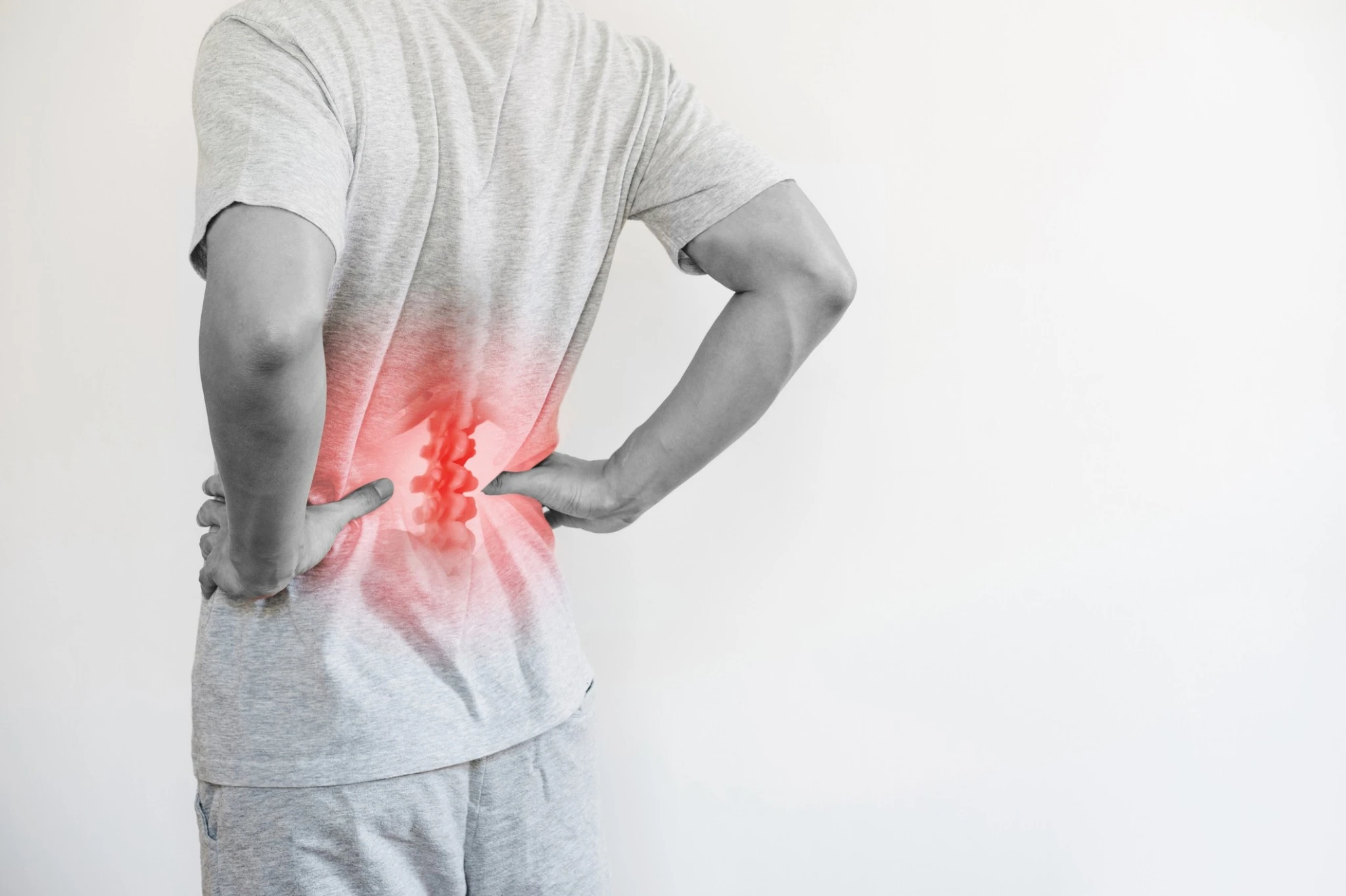
When pain, stiffness, or limited movement first appear, many people choose to wait it out. The discomfort might seem manageable at first, but delaying care often leads to bigger problems over time.
One of the best ways to help early on is physical therapy. However, many people hesitate. They worry about the cost or wonder if treatment is needed right away.
Knowing the true cost of waiting and the benefits of early physical therapy can help you make better health choices.
Does Early Intervention Include Physical Therapy?
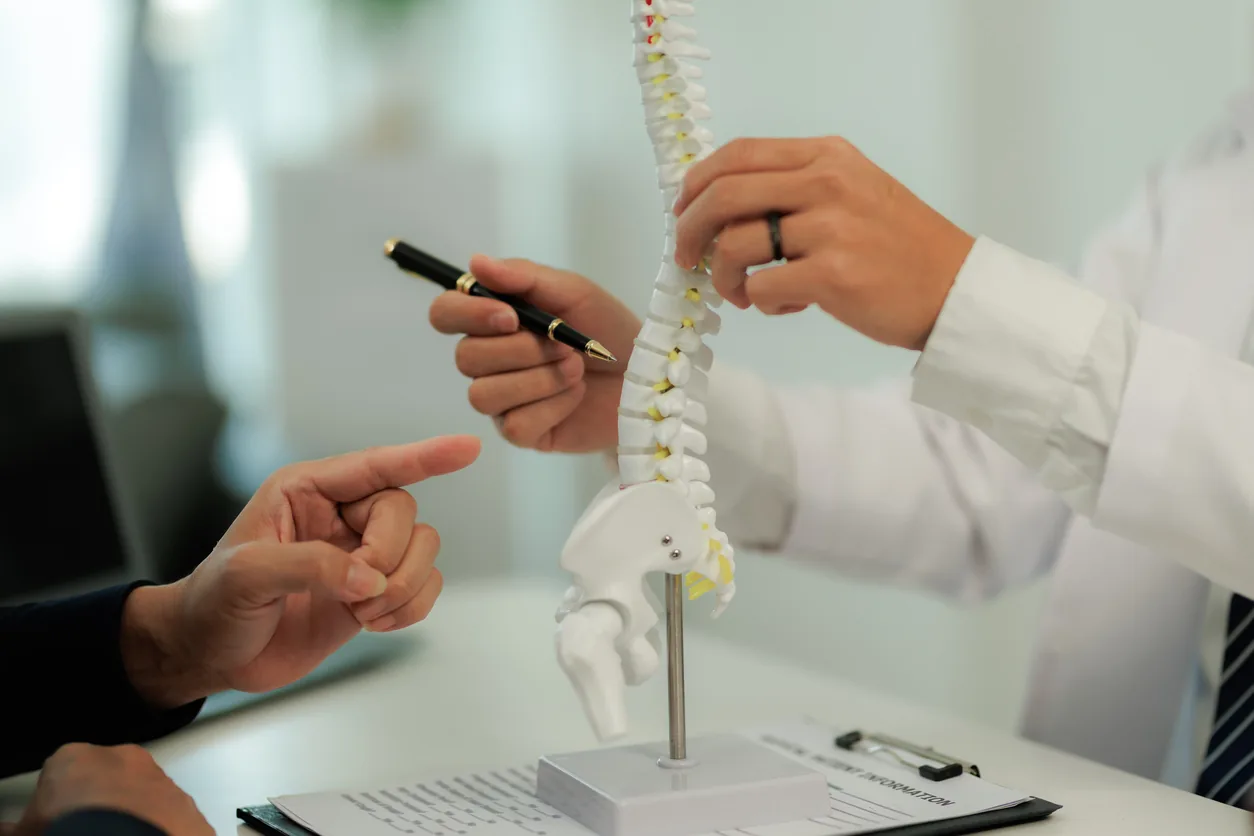
Yes, early intervention frequently includes physical therapy. Physical therapists learn to identify movement issues, muscle imbalances, and joint restrictions before these issues become chronic conditions. Starting care early can reduce the need for more complex treatment later.
Many people ask, how long is PT or assume therapy is only for severe injuries. In reality, physical therapy is often most effective when symptoms are mild or just beginning.
Why People Delay Physical Therapy
A common reason people delay care is worry about the cost of physical therapy. They often wonder if it is too expensive. Questions like:
- How much is physical therapy?
- How much does a physical therapist cost?
- Why is PT so expensive?
are very common. These concerns are understandable, especially for those considering out of pocket physical therapy or physical therapy cost without insurance.
However, focusing only on short-term concerns can overlook the long-term impact of untreated pain.
The Hidden Cost of Waiting Too Long
Delaying care often leads to:
- Increased pain and stiffness
- Reduced mobility
- Compensatory movement patterns
- Longer recovery times
Over time, this can increase the average cost of physical therapy because treatment may take longer or require more frequent visits. In many cases, early care reduces overall physical therapy charges by addressing the root problem sooner.
Is Early Intervention Cost Effective?
Many people wonder if early treatment is worth it. From a functional standpoint, early physical therapy is often more efficient. Fixing problems early can lower the need for long-term care later. This helps reduce the cost of physical therapy per session and shortens overall treatment time.
Those who delay care may later face concerns about:
- Physical therapy cost per hour
- Physical therapy charges per hour
- Physical therapy prices rising due to longer treatment plans
Early intervention can help keep care focused and targeted.
From spine injections to nerve blocks and cutting-edge therapies, we help you move forward, pain free.Take the First Step Toward Relief
Physical Therapy Without Insurance: What to Know
Another frequent concern is physical therapy cost without insurance. People often search:
- How much is physical therapy without insurance?
- How much does PT cost without insurance?
- Cost of PT without insurance?
While out of pocket physical therapy can feel intimidating, delaying care may actually increase the total burden. Untreated issues can progress into chronic pain, making recovery more complex.
When people later ask why is physical therapy so expensive, the answer is often tied to how long treatment has been postponed.
Physical Therapy Session Length and Value
Questions like “What is the cost of a physical therapy session?” are very common. While session length varies, the real value lies in what’s accomplished during each visit.
Early therapy sessions often focus on:
- Education and prevention
- Movement correction
- Reducing inflammation and tension
This approach can reduce the total number of sessions needed, lowering the overall physical therapy cost per session across a full plan of care.
Understanding Physical Therapist Training
Some people underestimate the expertise involved in physical therapy, which contributes to questions about physical therapist prices. Becoming a physical therapist requires extensive education and clinical training.
People often ask:
- How long does it take to be a physical therapist?
- How long does it take to become a physical therapist?
- What are the steps to becoming a physical therapist?
The process involves years of education, hands-on training, and licensing. This depth of training ensures that therapists can safely guide recovery and prevent further injury.
Why Physical Therapy Is More Than a Short-Term Fix
Physical therapy isn’t just about symptom relief. It focuses on long-term improvement, helping patients understand their bodies and prevent future issues. This long-term perspective is why many people reconsider when asking is physical therapy expensive.
When therapy is delayed, patients often require:
- More sessions
- Longer treatment duration
- Increased physiotherapy cost overall
Early care can reduce these demands significantly.
Take the First Step Toward Relief
From spine injections to nerve blocks and cutting-edge therapies, we help you move forward, pain free.
Physical Therapy and Out-of-Pocket Decisions
For those paying directly, terms like:
- Average price of physical therapy
- Price of physical therapy session
- How much is PT without insurance
- How much is physical therapy out of pocket
are important considerations. While these questions matter, it’s equally important to consider what happens if pain or dysfunction is left untreated.
Early intervention often leads to faster improvement, fewer visits, and better long-term outcomes.
Final Thoughts: The True Cost of Waiting
The real cost of waiting is often measured in lost mobility, prolonged pain, and extended recovery time. Early physical therapy can help reduce these risks by addressing issues before they worsen.
If you’re asking how much does physio cost or why is physical therapy so expensive, it may help to reframe the question. The true value of physical therapy lies in preventing small problems from becoming lifelong limitations.
Choosing early intervention is often one of the most effective steps toward faster recovery, better movement, and long-term health.