
Meta Pixel

Living With a Spinal Cord Stimulator: What You Should Know

Spinal Cord Stimulator

If you live with chronic pain, a spinal cord stimulator (SCS) might be your best option for long-term relief. These devices send gentle electrical pulses to the spine, interrupting pain signals before they reach your brain.

At Spinal Diagnostics, we use SCS technology to help patients regain mobility, reduce their need for medication, and improve daily quality of life. But what is it like to actually live with one?
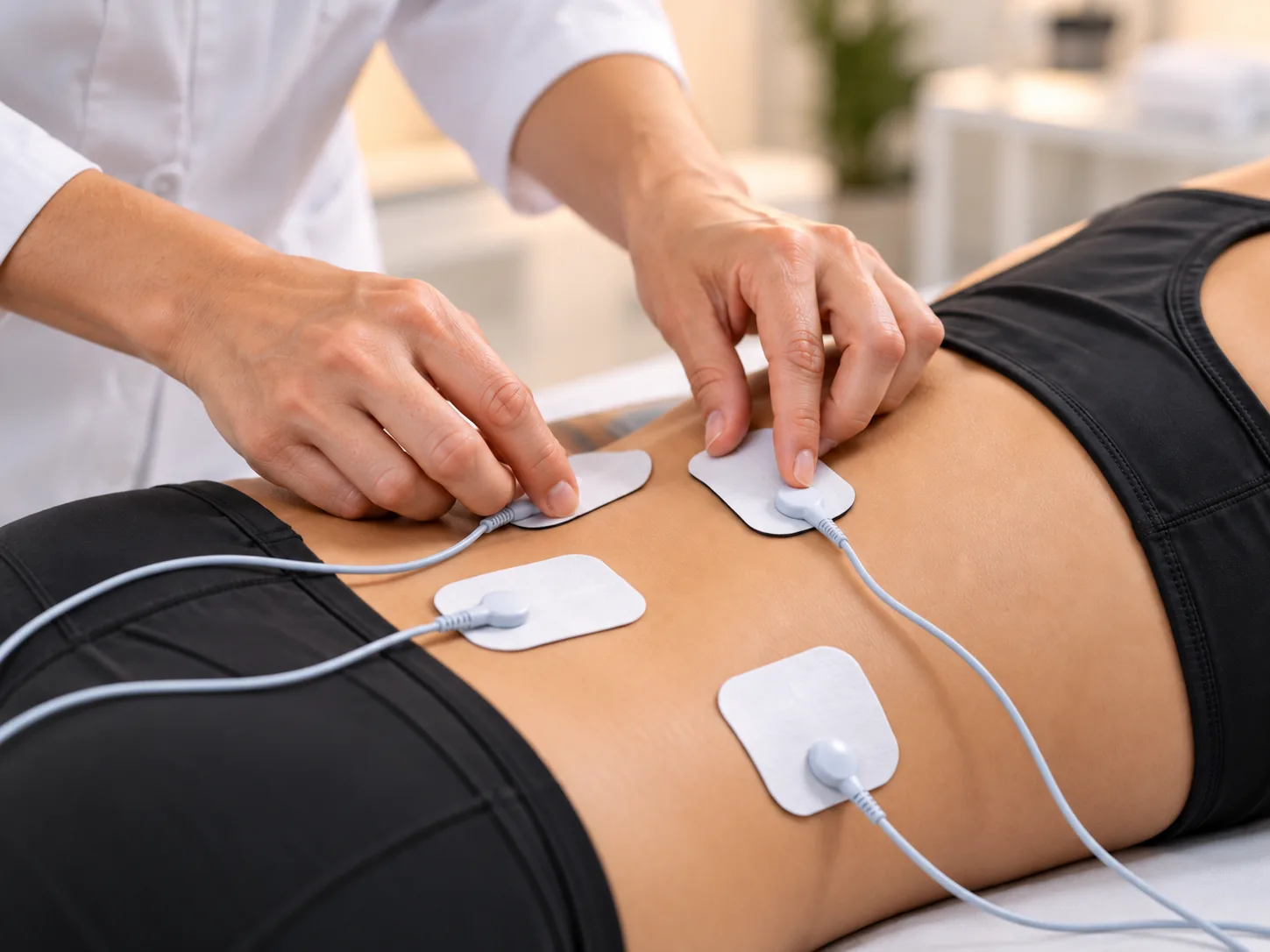
What to Expect After the Procedure

Following the implantation of your spinal cord stimulator, there’s a short recovery period. Most patients experience mild discomfort around the incision sites, which typically resolves within a few days. Our team will provide you with detailed post-op instructions to ensure proper healing.

You’ll also begin to feel the effects of stimulation and can adjust your settings using a handheld controller. Don’t worry — we’ll walk you through how to use it before you leave our office.

Life With an Implanted Device

Living with an SCS doesn’t mean giving up your lifestyle. In fact, many patients return to activities they had previously avoided due to pain. You’ll be able to:

  • Walk, drive, and exercise moderately (with some restrictions during the early recovery period)
  • Pass through most airport security scanners (you’ll be given a medical device card)
  • Use the remote to tailor stimulation to your needs throughout the day

It’s important to avoid activities that involve excessive twisting or bending in the weeks following the implant. Over time, you’ll find a rhythm that supports both your health and your goals.

Live Life Without Pain

Personalized care for chronic pain, spine conditions, and nerve disorders. Let us help you feel your best again.

Contact Us Today!

Check-Ins and Battery Maintenance

Some spinal cord stimulators use rechargeable batteries that can be powered up wirelessly at home. Others are non-rechargeable and will eventually need replacement. We’ll help you choose the system that fits your lifestyle during your consultation.

We also recommend regular check-ins to monitor your progress and make any necessary adjustments to your device settings.

Interested in learning more about how a spinal cord stimulator could help manage your chronic pain? Contact Spinal Diagnostics today to schedule a consultation with our pain management specialists.

FOLLOW US

The Cost of Waiting: Benefits of Physical Therapy with Early Intervention

The Cost of Waiting: Benefits of Physical Therapy with Early Intervention When pain, stiffness, or limited movement first appear, many people choose to wait it out. The discomfort might seem manageable at first, but delaying care often leads to bigger problems over...

When Should You See a Specialist for Back or Neck Pain?

When Should You See a Specialist for Back or Neck Pain? Back and neck pain can show up in many different ways. For some people, it starts as stiffness in the morning. For others, it appears while walking, bending over, or even breathing. It is important to know when...

Adult Tummy Time Explained: A Simple Approach to Neck and Back Pain

Adult Tummy Time Explained: A Simple Approach to Neck and Back Pain Lower back and neck pain are two of the most common complaints among adults, especially those who spend long hours standing, walking, or working at a desk. Many people notice lower back pain while...

How to Stay Active During Colder Seasons – Winter Exercise

How to Stay Active During Colder Seasons – Winter Exercise Cold weather does not have to mean giving up your outdoor routine. With the right preparation, staying active during winter can be safe, effective, and even refreshing. Whether you enjoy hiking in snowy...

How to Shovel Snow to Avoid Injury

How to Shovel Snow to Avoid Injury Snow removal looks harmless, but it can strain your back, shoulders, and wrists surprisingly fast. The combination of cold muscles, heavy snow, and awkward lifting is what causes most winter injuries. The safest approach is a mix of...

5 Ergonomic Tips for Wrist Pain If You Sit at a Desk

5 Ergonomic Tips for Wrist Pain If You Sit at a Desk If you spend hours typing, clicking, or writing every day, wrist pain can sneak up on you quickly. It might start as a mild ache, a little stiffness, or a sense of overuse—but over time, it can grow into significant...

Hip Mobility Exercises for Injury Prevention and Enhanced Performance

Hip Mobility Exercises for Injury Prevention and Enhanced Performance Strong, flexible hips are essential for almost every movement you make - walking, lifting, squatting, running, or even sitting comfortably. When the hips become weak or tight, the body compensates...

Shoulder Tendinitis Exercises and Treatments for Relief

Shoulder Tendinitis Exercises and Treatments for Relief Shoulder pain can make even simple daily tasks—like reaching, lifting, or sleeping—feel like a challenge. One of the most common causes is shoulder tendinitis, an inflammation or irritation of the tendons that...

Common Injuries in the Hand and Wrist

Common Injuries in the Hand and Wrist   Our hands and wrists are some of the most active parts of the body—typing, lifting, gripping, or even playing sports. Because of that constant use, it’s no surprise that injuries like carpal tunnel syndrome, tendonitis, and...

Pelvic Floor Dysfunction? Enhance Your Postpartum Recovery With Physical Therapy

Pelvic Floor Dysfunction? Enhance Your Postpartum Recovery With Physical Therapy   After pregnancy and childbirth, many women experience changes in their bodies that they didn’t expect—pelvic discomfort, pressure, or even pain during daily activities. These...