
Meta Pixel

Do You Have These Symptoms of Lumbar Spinal Stenosis

Lumbar Spinal Stenosis

As you get older, it’s common to experience more aches and pains. But if you’re noticing chronic lower back pain, weakness, or tingling in your legs, these could be signs of a more serious condition: lumbar spinal stenosis (LSS).

At Spinal Diagnostics, we specialize in identifying and treating spine-related conditions like LSS. Here’s how to recognize the symptoms and understand what steps you can take for relief.
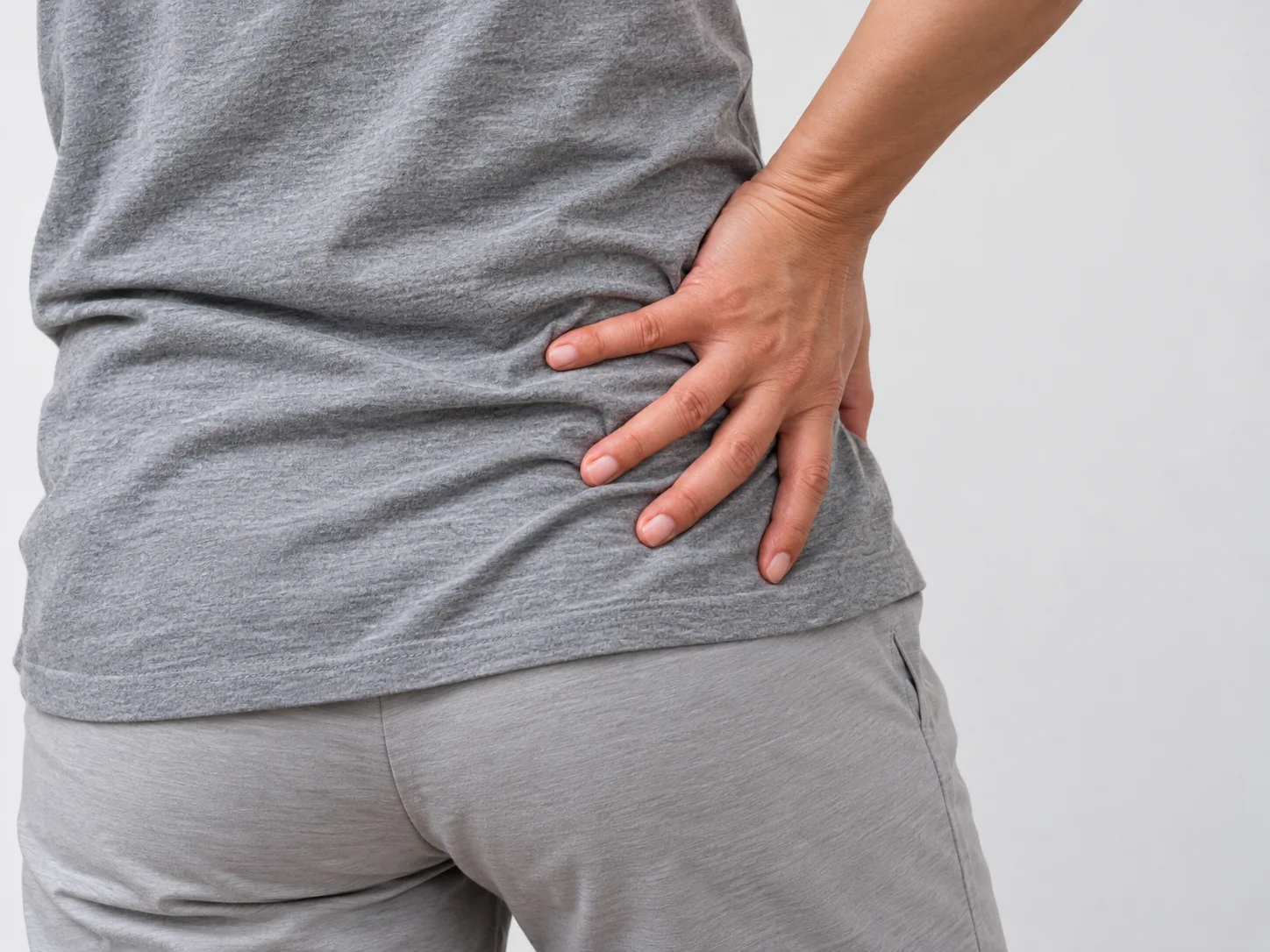
What is lumbar spinal stenosis?

Spinal stenosis refers to the narrowing of spaces in your spine, which can put pressure on the nerves that travel through the lower back. When this occurs in the lumbar (lower) spine, it’s called lumbar spinal stenosis.

The condition often develops due to age-related changes like arthritis, degenerative disc disease, or thickening of spinal ligaments.

Common symptoms of LSS

While some people with LSS may not notice symptoms at first, others can experience significant discomfort, including:

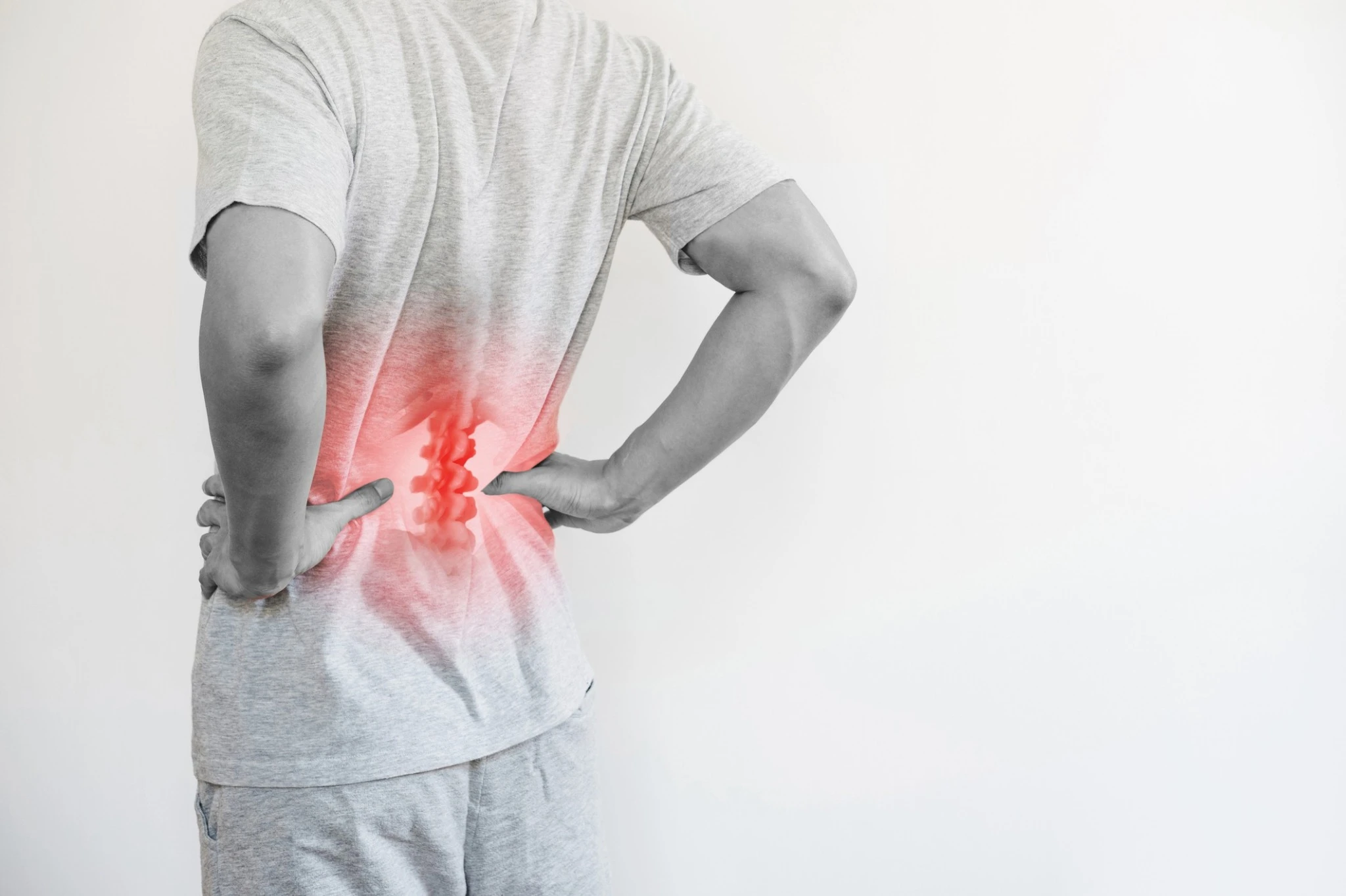
  • Persistent lower back pain
  • Pain, numbness, or tingling that radiates down the legs
  • Muscle weakness in the legs or feet
  • Cramping in the calves when walking or standing for long periods
  • Relief from pain when bending forward or sitting down
  • Loss of balance or coordination

These symptoms can range from mild to severe and may worsen over time if left untreated.

When to seek help

If you’ve noticed these symptoms — especially if they interfere with your ability to walk, work, or enjoy daily life — it’s time to talk to a specialist. LSS is manageable, and early diagnosis can lead to better outcomes.

At Spinal Diagnostics, we offer advanced diagnostic testing to determine the exact cause of your symptoms and recommend effective treatments tailored to your needs.

Treatment options

LSS treatment can include:

  • Physical therapy to improve strength and flexibility
  • Medications to reduce inflammation and manage pain
  • Epidural steroid injections for targeted relief
  • Minimally invasive procedures like the Vertiflex™ spacer
  • Neuromodulation therapies

Our team will help you determine which options are best based on your condition and lifestyle.

If you’re experiencing symptoms of lumbar spinal stenosis, schedule an appointment with Spinal Diagnostics to get the care and relief you deserve.
FOLLOW US

How to Shovel Snow to Avoid Injury

How to Shovel Snow to Avoid Injury Snow removal looks harmless, but it can strain your back, shoulders, and wrists surprisingly fast. The combination of cold muscles, heavy snow, and awkward lifting is what causes most winter injuries. The safest approach is a mix of...

5 Ergonomic Tips for Wrist Pain If You Sit at a Desk

5 Ergonomic Tips for Wrist Pain If You Sit at a Desk If you spend hours typing, clicking, or writing every day, wrist pain can sneak up on you quickly. It might start as a mild ache, a little stiffness, or a sense of overuse—but over time, it can grow into significant...

Hip Mobility Exercises for Injury Prevention and Enhanced Performance

Hip Mobility Exercises for Injury Prevention and Enhanced Performance Strong, flexible hips are essential for almost every movement you make—walking, lifting, squatting, running, or even sitting comfortably. When the hips become weak or tight, the body compensates in...

Shoulder Tendinitis Exercises and Treatments for Relief

Shoulder Tendinitis Exercises and Treatments for Relief Shoulder pain can make even simple daily tasks—like reaching, lifting, or sleeping—feel like a challenge. One of the most common causes is shoulder tendinitis, an inflammation or irritation of the tendons that...

Common Injuries in the Hand and Wrist

Common Injuries in the Hand and Wrist   Our hands and wrists are some of the most active parts of the body—typing, lifting, gripping, or even playing sports. Because of that constant use, it’s no surprise that injuries like carpal tunnel syndrome, tendonitis, and...

Pelvic Floor Dysfunction? Enhance Your Postpartum Recovery With Physical Therapy

Pelvic Floor Dysfunction? Enhance Your Postpartum Recovery With Physical Therapy   After pregnancy and childbirth, many women experience changes in their bodies that they didn’t expect—pelvic discomfort, pressure, or even pain during daily activities. These...

Shoulder Injury Prevention When Lifting

Shoulder Injury Prevention When Lifting   Shoulder pain is one of the most common issues for people who lift weights. Whether you’re a beginner or a seasoned athlete, improper technique or overtraining can lead to discomfort and even long-term injuries. If you’ve...

Virtual Physical Therapy: A New Approach to Chronic Pain Care

Virtual Physical Therapy: A New Approach to Chronic Pain Care   For millions of people living with back, neck, or joint pain, traveling to in-person therapy appointments can be exhausting or even impossible. That’s why virtual care has become a powerful...

Why Is My Knee Popping?

Why Is My Knee Popping? You’re walking across the room or going for a run when suddenly—pop! That unexpected sound or sensation coming from your knee can be surprising or even concerning. Knee popping, clicking, or cracking noises are common, but when they’re paired...

Non-Surgical Solutions for Nerve Pain Relief

Non-Surgical Solutions for Nerve Pain Relief Living with chronic nerve pain can be exhausting. The burning, tingling, or stabbing sensations in the feet, legs, or back can make even simple daily tasks difficult. While some people rely on prescription medications,...