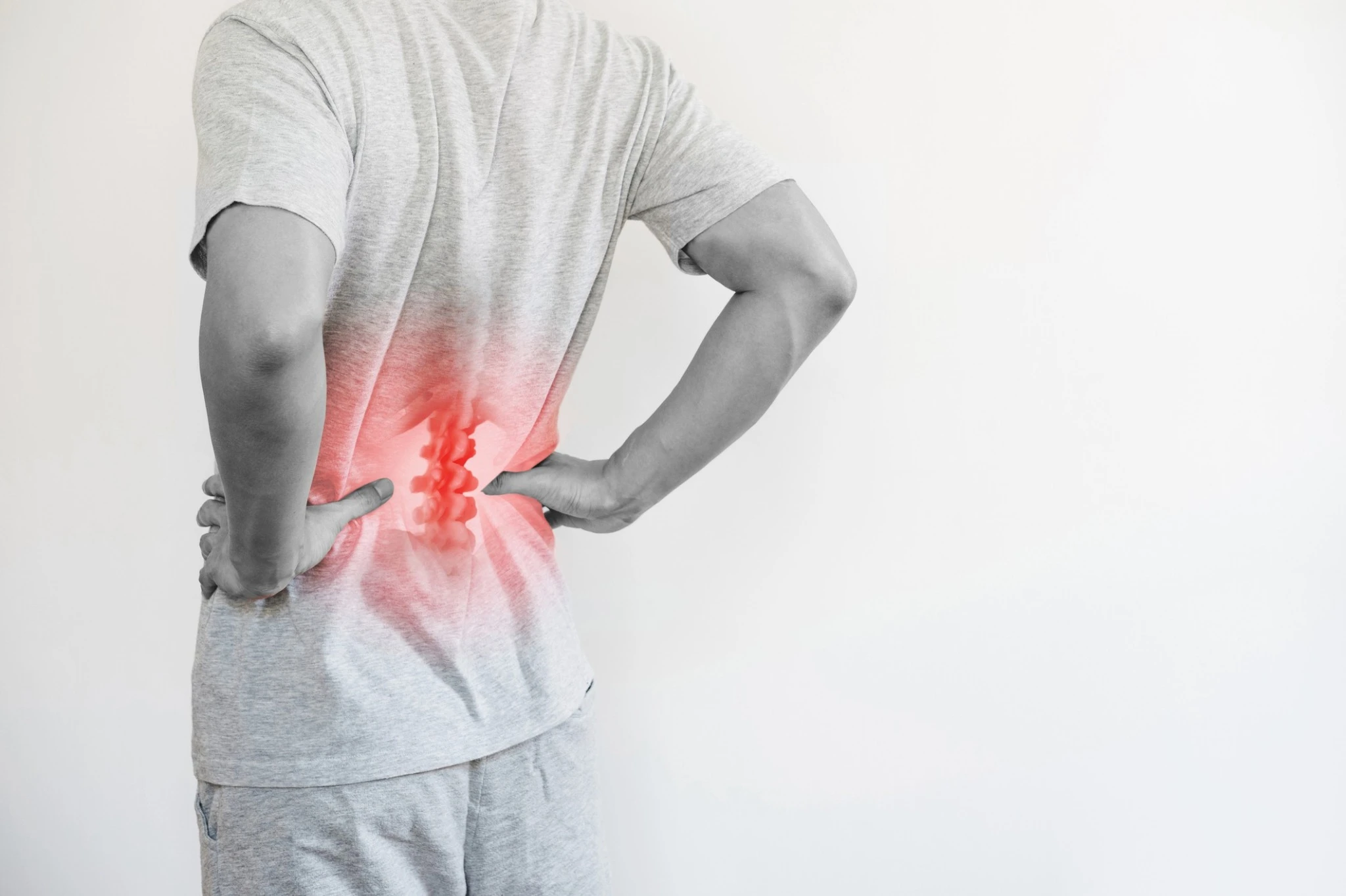
Why Does My Back Hurt When I Stand? Common Causes and Next Steps
If you have ever asked yourself, “Why does my back hurt when I stand?” you are not alone. Many people notice that their pain feels manageable while sitting or resting, then becomes more noticeable as soon as they get up or remain on their feet for too long.
Sometimes the discomfort is mild and achy. In other cases, it feels sharp, tight, heavy, or tired in the lower back. That is why people often search questions like “why does my back hurt when standing?” or “why does my lower back hurt when I stand?” when they are trying to make sense of the pattern.
Back pain that gets worse while standing does not always point to one single cause. Still, the way your pain behaves can offer useful clues. If standing makes it worse, and sitting or leaning forward brings some relief, a provider may start thinking about certain muscles, joints, discs, or nerves more than others.

Why does my lower back hurt when standing?
Your lower back can hurt when standing because being upright places more load and downward pressure on the joints, discs, muscles, and nerves in the lower spine. If any of those structures are irritated, inflamed, or compressed, pain may become more noticeable the longer you stay on your feet.
For some people, the issue is muscular fatigue or joint irritation. For others, the pain may relate to chronic lower back pain, spinal stenosis, a pinched nerve in the back, or sacroiliac joint pain. The pattern of when your pain gets worse and when it settles down can help narrow down the possibilities.
Why does standing make my back hurt?
Standing changes posture, balance, and pressure through the lower spine. It asks the back to support body weight continuously, and that can make irritated areas more sensitive.
A simple way to think about it is this: if a structure in your lower back is already inflamed or under strain, standing may keep loading that area instead of giving it a break. That is one reason some people notice pain right away, while others feel it build slowly and start asking why their back hurts after standing.
Common causes of back pain that gets worse when standing
Several conditions can make back pain feel worse when you are upright:
- Chronic lower back pain: ongoing irritation that may flare with posture, activity, or prolonged standing
- Spinal stenosis: narrowing in the spine that can increase pressure on nearby nerves
- A pinched nerve in the back: nerve compression that may worsen with certain positions
- Sacroiliac joint pain: irritation where the spine meets the pelvis
- In some cases, a mild herniated disc: disc-related irritation that can affect the lower back and nearby nerves
Chronic lower back pain
Chronic lower back pain can behave differently from one person to another. Some people feel worse when bending or lifting. Others feel worse when standing still, especially later in the day.
If you often find yourself wondering why your back aches when you stand or why your back hurts after standing too long, ongoing lower back irritation may be part of the picture. Pain may build gradually, then ease once you sit down, shift positions, or rest.
Spinal stenosis
Yes, spinal stenosis can make standing harder. It is one of the more common explanations when lower back pain feels better while sitting or leaning forward.
Spinal stenosis happens when spaces in the spine become narrower and place pressure on nearby nerves. A common pattern is lower back pain that gets worse when standing or walking, with some relief when sitting or bending forward. If that sounds familiar, it can be an important clue.
Pinched nerve in the back
A pinched nerve in the back can also cause pain that becomes more noticeable when standing. Depending on the nerve involved, symptoms may stay in the low back or travel into the buttock, hip, or leg.
You may also notice tingling, burning, numbness, or weakness. When pain changes with posture and flares as you stand upright, nerve irritation is one possible explanation.
Sacroiliac joint pain
The sacroiliac joints sit near the base of the spine, where the spine connects to the pelvis. When these joints become irritated, standing can sometimes make the pain feel worse.
Sacroiliac joint pain may cause aching in the lower back, buttock, or upper leg. Some people feel more discomfort after standing in one place for a long time, climbing stairs, or shifting weight unevenly from one side to the other.
Why does my back hurt after standing too long?
Pain after prolonged standing often points to fatigue, strain, or pressure building up in a sensitive area. This can happen in muscles, joints, discs, or nerves.
If you have been asking, “Why does my back hurt after standing too long?” the answer may be less about one single movement and more about how long the area stays under load. A posture that feels fine for five minutes may become painful after thirty or sixty, especially if the underlying area is already irritated.
That also helps explain why some people notice back pain better when sitting. Sitting may temporarily reduce stress on the lower back, even though it does not fix the underlying problem by itself.
Is sitting or standing better for back pain?
It depends on the cause. Some people feel better standing and worse sitting. Others notice lower back pain better when sitting, especially when standing in one place seems to bring symptoms on.
When pain improves with sitting or leaning forward, providers sometimes think about issues such as spinal stenosis or other sources of compression. When pain worsens with sitting, other causes may be more likely. The important question is not which position is always better, but which pattern your pain follows over time.
When should standing-related back pain be checked?
You should consider an evaluation if the pain keeps returning, becomes more intense, or starts to interfere with work, sleep, exercise, or daily activities. Repeated flare-ups are a sign that the issue may need a closer look.
You should also seek medical attention sooner if back pain comes with worsening leg weakness, growing numbness, balance problems, or changes in bladder or bowel control. Those symptoms deserve prompt evaluation.
What are reasonable next steps?
If the pain is mild and recent, it may help to avoid standing in one position for too long, change positions regularly, and pay attention to whether sitting or leaning forward brings relief. Gentle activity is often better than complete bed rest for many types of back pain.
If the pain keeps returning or you are still trying to understand why your lower back hurts when standing, a professional evaluation can help identify the cause. At Spinal Diagnostics, we evaluate conditions related to chronic lower back pain, spinal stenosis, pinched nerves, and sacroiliac joint pain with a careful, patient-focused approach. If your symptoms are worsening or limiting daily life, requesting an appointment may be a reasonable next step.
Personalized care for chronic pain, spine conditions, and nerve disorders. Let us help you feel your best again.Live Life Without Pain