
Meta Pixel

Things to Avoid With Degenerative Disc Disease

Things to Avoid With Degenerative Disc Disease

Degenerative disc disease (DDD) is a common condition that affects the spine as we age. It occurs when the intervertebral discs — the cushions between your vertebrae — begin to break down, causing pain, stiffness, and reduced mobility.

While DDD is a natural part of aging, certain habits and activities can worsen symptoms or speed up degeneration. At Spinal Diagnostics, we help patients manage their condition and avoid actions that could cause further damage.
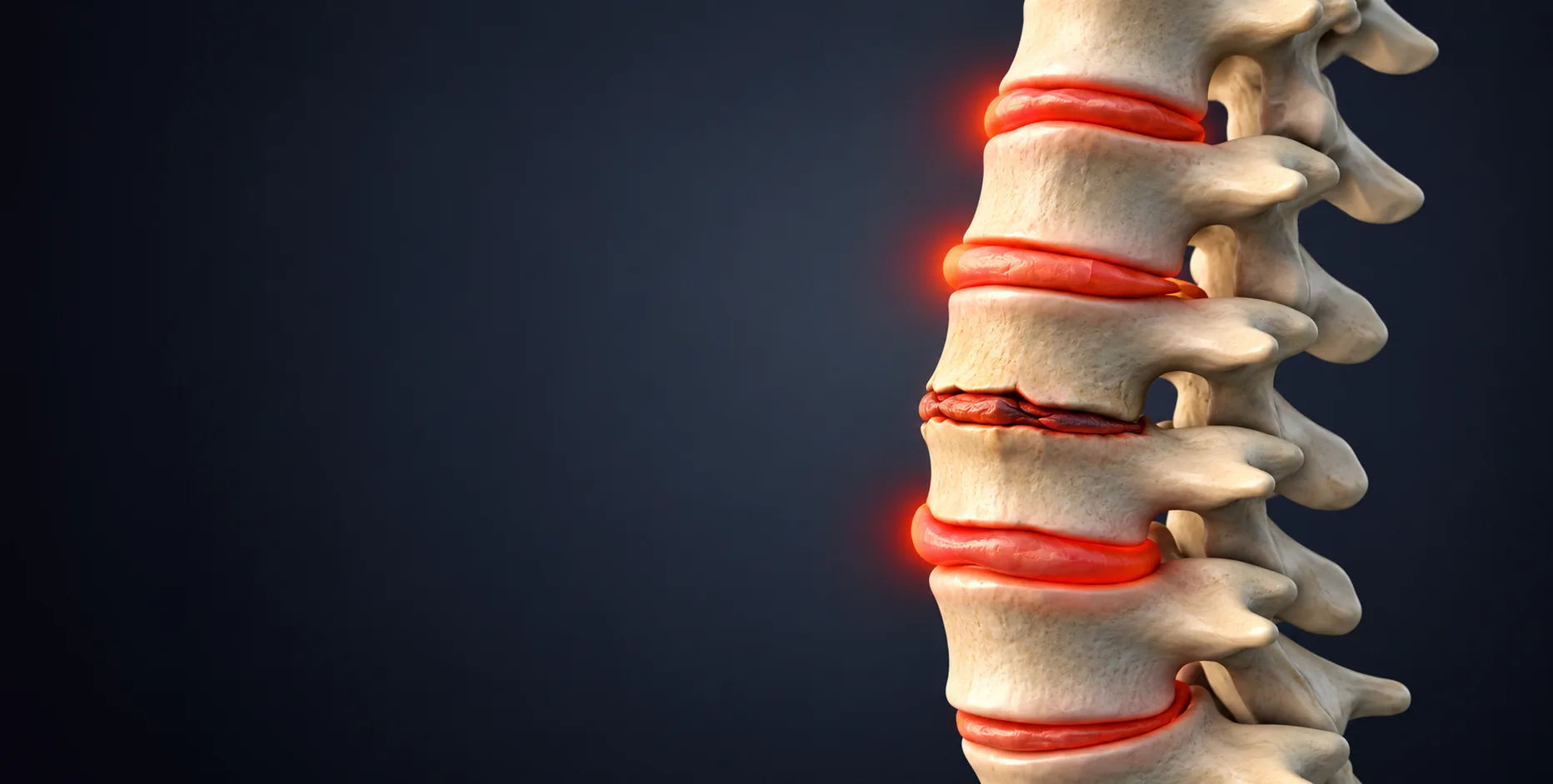
Avoid high-impact activities

Repetitive stress or jarring movements can increase pressure on already compromised discs. Try to avoid activities such as:

  • Running on hard surfaces
  • High-intensity sports with jumping or quick pivots
  • Heavy weightlifting (especially with poor form)

Instead, opt for low-impact exercises like walking, swimming, or using an elliptical machine to maintain strength without aggravating your spine.

Don’t ignore posture

Poor posture — especially when sitting for long periods — can add stress to your discs. Be mindful of your body alignment, and avoid:

  • Slouching or leaning forward
  • Sitting in unsupportive chairs
  • Looking down at screens for prolonged periods

Maintain a neutral spine position and use ergonomic support whenever possible, particularly at workstations or when driving.

Be cautious with twisting or bending

Movements that involve bending forward or twisting at the waist can put uneven pressure on your spinal discs. These should be limited or avoided, especially when lifting objects. Instead, bend at the knees and use your legs to lift, keeping the item close to your body.

Don’t skip exercise or physical therapy

It might seem counterintuitive, but avoiding movement altogether can worsen symptoms. Staying active helps support the spine, increase flexibility, and reduce stiffness. A customized physical therapy plan can target the right muscles and improve function.

Live Life Without Pain

Personalized care for chronic pain, spine conditions, and nerve disorders. Let us help you feel your best again.

Contact Us Today!

Avoid smoking and poor nutrition

Smoking decreases blood flow to spinal tissues, reducing oxygen and nutrients essential for disc health. Similarly, a poor diet lacking in anti-inflammatory nutrients can slow recovery and increase pain. Focus on a balanced diet and quit smoking to promote healing.

Managing degenerative disc disease requires a proactive approach and healthy habits. If you’re unsure what’s safe for your spine or need personalized guidance, contact our team at Spinal Diagnostics. We’ll help you build a treatment plan that protects your back and improves your quality of life.
FOLLOW US

Does a Herniated Disc Heal? What to Know Before Surgery

Does a Herniated Disc Heal? What to Know Before Surgery If you are dealing with back pain, neck pain, or pain that travels into the arm or leg, it is normal to wonder whether a herniated disc can get better or whether surgery is inevitable. That worry is especially...

Arm or Leg Numbness and Tingling: When Should You See a Specialist?

Arm or Leg Numbness and Tingling: When Should You See a Specialist?   If you keep noticing arm numbness, arm tingling, pins and needles, or an arm that seems to fall asleep more often than it should, it is natural to wonder how serious it is. The same is true for...

Sciatica or a Pinched Nerve? How to Tell the Difference

Sciatica or a Pinched Nerve? How to Tell the Difference If you have pain that starts in the lower back or buttock and seems to travel down the leg, it is normal to wonder whether it sounds more like sciatica or a pinched nerve. Many people use those terms...

Pain Shooting Down Your Leg While Walking? It Could Be Coming From Your Spine

Pain Shooting Down Your Leg While Walking? It Could Be Coming From Your Spine If you have a pain shooting down your leg while walking, it is easy to assume the problem is only in the leg itself. But that is not always the case. For many people, leg pain while walking...

Pulled Muscle or Pinched Nerve? Signs Neck or Back Pain May Be Something More

Pulled Muscle or Pinched Nerve? Signs Neck or Back Pain May Be Something More When your neck or back starts hurting, it's natural to wonder whether it's just a sore muscle that needs time to settle down or something more. Many people notice neck pain, back pain,...

Why Does My Back Hurt When I Stand? Common Causes and Next Steps

Why Does My Back Hurt When I Stand? Common Causes and Next Steps If you have ever asked yourself, “Why does my back hurt when I stand?” you are not alone. Many people notice that their pain feels manageable while sitting or resting, then becomes more noticeable as...

Lower Back Pain Shooting Down One Leg: Common Causes and Next Steps

Lower Back Pain Shooting Down One Leg: Common Causes and Next Steps If you have lower back pain shooting down one leg, the sensation can be hard to ignore. Some people describe the pain shooting down their left leg like an electric jolt, while others notice burning,...

Emerging Non-Opioid Treatments for Chronic Back Pain

Emerging Non-Opioid Treatments for Chronic Back Pain Chronic back pain is one of the most common reasons people seek medical care. While medications have traditionally been used to manage symptoms, there is growing interest in non-opioid approaches that focus on...

Spinal Decompression Therapy Explained

Spinal Decompression Therapy Explained If you’re dealing with persistent neck or back pain, especially from a herniated disc upper back or nerve-related symptoms, you may have come across the term decompression of neck or spinal decompression therapy. But what does it...

Is Sitting the New Smoking? Fixes for Desk Life

Is Sitting the New Smoking? Fixes for Desk Life If you spend most of your day at a desk, you have probably heard some version of this question: Is sitting at a desk as bad as smoking? The comparison is dramatic, but it points to a real issue. Sitting for too long,...