
Meta Pixel

The Link Between Hormone Shifts and Migraines

Hormone Shifts and Migraines

It’s no secret that women are more prone to migraines than men — in fact, about 75% of people who experience migraines are women. One of the major contributors? Hormones.

At Spinal Diagnostics, we understand that managing migraines goes beyond painkillers. Identifying triggers — especially hormonal ones — can be the key to finding relief. In this post, we take a closer look at how hormone fluctuations contribute to migraine attacks and what you can do about them.
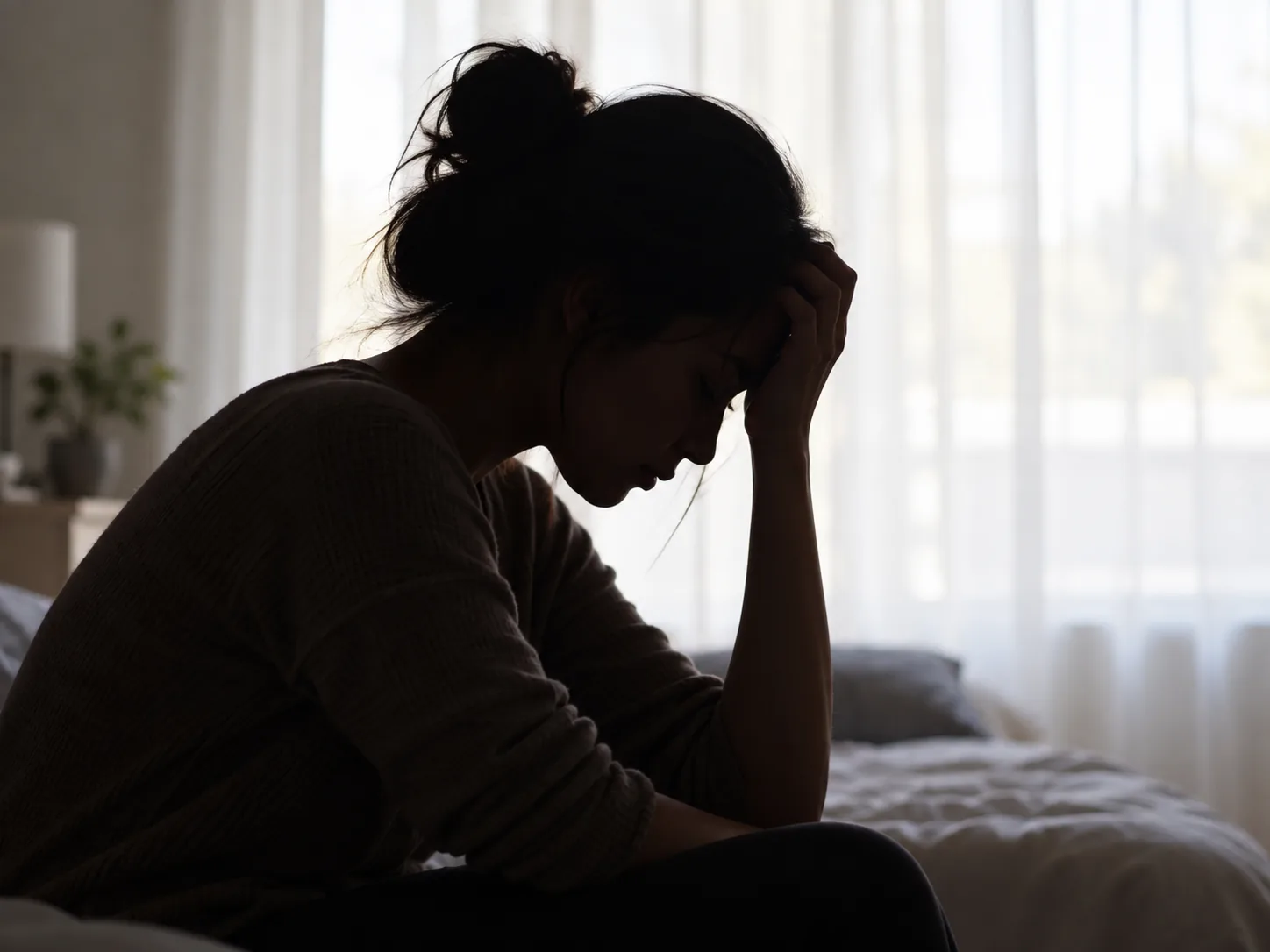
How do hormones affect migraines?

The main culprit is estrogen — the hormone that regulates the female reproductive system. Estrogen levels naturally rise and fall throughout a woman’s life, especially:

  • Before or during menstruation
  • During pregnancy
  • Perimenopause and menopause
  • When starting or stopping hormonal birth control

These hormonal shifts can trigger changes in the brain that contribute to migraine pain, including increased sensitivity to pain signals and changes in blood vessel dilation.

Are menstrual migraines different?

Yes. Menstrual migraines tend to be more severe, last longer, and are less responsive to typical migraine medications. They typically occur in the days leading up to a period, when estrogen drops suddenly.

Some women also experience migraines mid-cycle, during ovulation, due to another hormone surge.

What treatments are available?

Our team at Spinal Diagnostics takes a comprehensive approach to migraine treatment. Depending on your specific symptoms and cycle patterns, we may recommend:

  • Preventive or acute migraine medications
  • Neuromodulation therapies
  • Hormonal therapies (in collaboration with your OB-GYN)
  • Lifestyle modifications and trigger tracking

If neuromodulation is recommended, we may use devices that gently stimulate targeted nerves to reduce the frequency and intensity of migraine attacks.

Take the First Step Toward Relief

From spine injections to nerve blocks and cutting-edge therapies, we help you move forward, pain free.

Book an appointment

Get relief from hormone-related migraines

If your migraine symptoms seem tied to your cycle, don’t ignore the pattern — it may be the key to personalized treatment. Our team can evaluate your triggers and create a treatment plan tailored to your needs.

Contact us today to schedule an appointment at our Tualatin or Newberg, Oregon locations and take the first step toward migraine relief.
FOLLOW US

Lower Back Pain Shooting Down One Leg: Common Causes and Next Steps

Lower Back Pain Shooting Down One Leg: Common Causes and Next Steps If you have lower back pain shooting down one leg, the sensation can be hard to ignore. Some people describe the pain shooting down their left leg like an electric jolt, while others notice burning,...

Emerging Non-Opioid Treatments for Chronic Back Pain

Emerging Non-Opioid Treatments for Chronic Back Pain Chronic back pain is one of the most common reasons people seek medical care. While medications have traditionally been used to manage symptoms, there is growing interest in non-opioid approaches that focus on...

Spinal Decompression Therapy Explained

Spinal Decompression Therapy Explained If you’re dealing with persistent neck or back pain, especially from a herniated disc upper back or nerve-related symptoms, you may have come across the term decompression of neck or spinal decompression therapy. But what does it...

Is Sitting the New Smoking? Fixes for Desk Life

Is Sitting the New Smoking? Fixes for Desk Life If you spend most of your day at a desk, you have probably heard some version of this question: Is sitting at a desk as bad as smoking? The comparison is dramatic, but it points to a real issue. Sitting for too long,...

Relief for SI Joint Pain: Physical Therapy Strategies That Make a Difference

Relief for SI Joint Pain: Physical Therapy Strategies That Make a Difference     Sacroiliac (SI) joint pain can make daily activities hard. It can affect how you sit, move, or sleep. Many people notice SI joint pain gets worse at night when lying down. The...

Getting Active Again: Smart Strategies to Safely Return to Exercise

Getting Active Again: Smart Strategies to Safely Return to Exercise Taking a break from exercise happens to almost everyone. Maybe life got busy, an injury slowed you down, or motivation simply faded. No matter the reason, figuring out how to get back into working out...

The Cost of Waiting: Benefits of Physical Therapy with Early Intervention

The Cost of Waiting: Benefits of Physical Therapy with Early Intervention When pain, stiffness, or limited movement first appear, many people choose to wait it out. The discomfort might seem manageable at first, but delaying care often leads to bigger problems over...

When Should You See a Specialist for Back or Neck Pain?

When Should You See a Specialist for Back or Neck Pain? Back and neck pain can show up in many different ways. For some people, it starts as stiffness in the morning. For others, it appears while walking, bending over, or even breathing. It is important to know when...

Adult Tummy Time Explained: A Simple Approach to Neck and Back Pain

Adult Tummy Time Explained: A Simple Approach to Neck and Back Pain Lower back and neck pain are two of the most common complaints among adults, especially those who spend long hours standing, walking, or working at a desk. Many people notice lower back pain while...

How to Stay Active During Colder Seasons – Winter Exercise

How to Stay Active During Colder Seasons – Winter Exercise Cold weather does not have to mean giving up your outdoor routine. With the right preparation, staying active during winter can be safe, effective, and even refreshing. Whether you enjoy hiking in snowy...