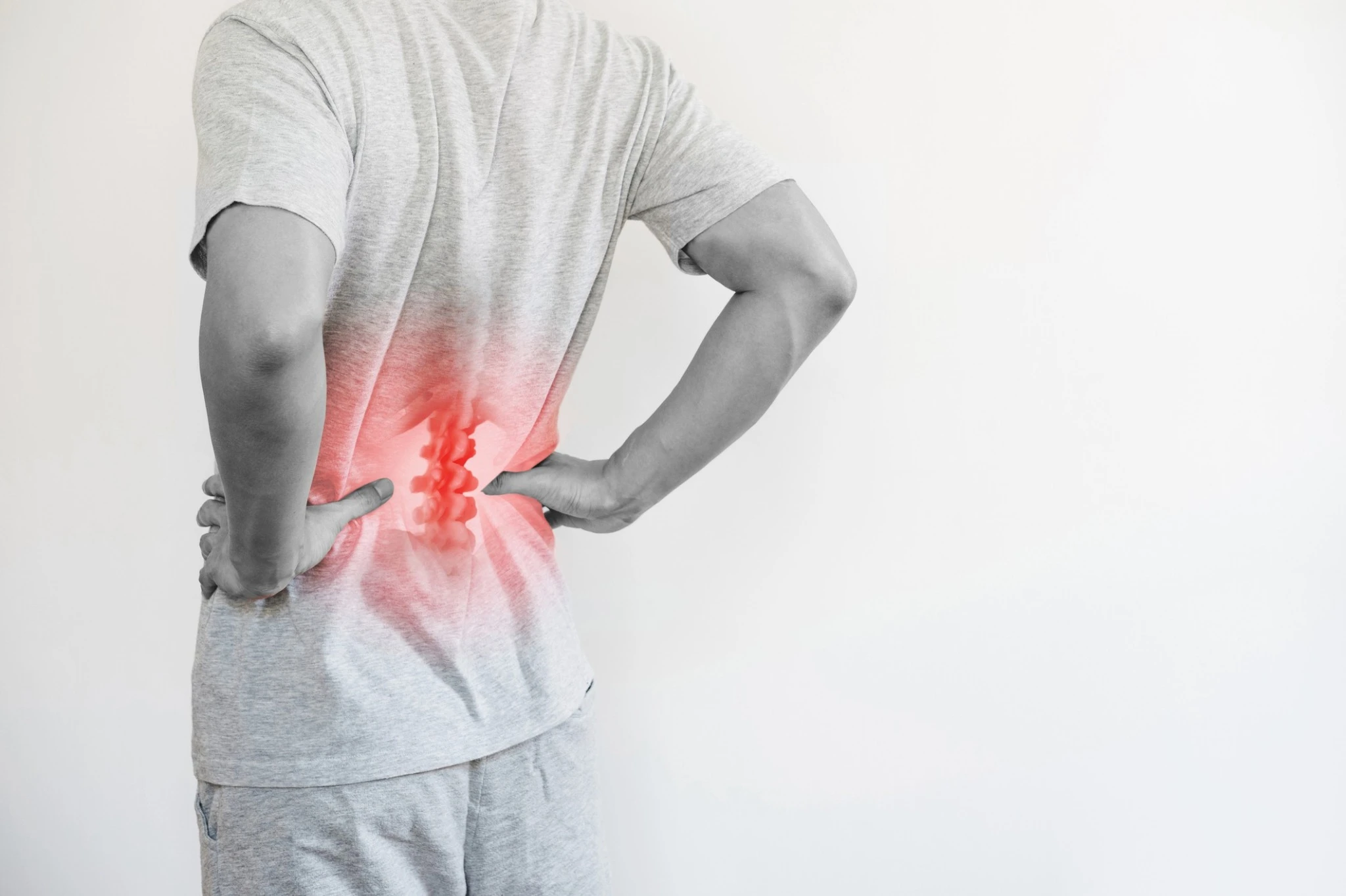
Spinal Decompression Therapy Explained
If you’re dealing with persistent neck or back pain, especially from a herniated disc upper back or nerve-related symptoms, you may have come across the term decompression of neck or spinal decompression therapy. But what does it actually involve, and when is it the right option?
Spinal decompression focuses on relieving pressure within the spine, particularly around discs and nerves. Whether you’re exploring cervical spine decompression, managing a bulging disc upper back, or dealing with radiating pain like sciatica, understanding how this therapy works can help you make informed decisions about your care.

How Does Spinal Decompression Therapy Work?
Short answer: spinal decompression gently stretches the spine to reduce pressure on discs and nerves.
This process creates space between the vertebrae, which can help reposition a slipped disc upper back, reduce nerve compression, and improve circulation in the affected area.
There are two main approaches:
- Non-surgical decompression (traction-based therapy)
- Surgical options like decompression neck surgery or cervical spinal decompression surgery
Non-invasive options are typically used first, especially when symptoms are manageable.
What Conditions Can Spinal Decompression Help?
Spinal decompression is commonly used for disc-related conditions, especially in the neck and upper back.
Herniated and Bulging Discs in the Upper Back
Conditions like:
- Herniated disc in middle of back
- Bulging disc mid back
- Herniated disk thoracic spine
- Slipped disc between shoulder blades
can cause significant discomfort and reduced mobility.
Patients often describe:
- Herniated disc pain upper back
- Herniated disc between shoulder blades symptoms
- Bulging disc symptoms upper back
- Slipped disc symptoms upper back
In more severe cases, a ruptured disc upper back or ruptured disc thoracic spine may lead to persistent pain and neurological symptoms.
Can a Herniated Disc Cause Sciatica?
Yes. A herniated disc can irritate nearby nerves and lead to sciatica.
This is especially common in the lower spine, but symptoms can vary depending on the location of the disc issue.
Patients often search:
- Can a herniated disc cause sciatica?
- Herniated disc causing sciatica
- Bulging disc causing sciatica pain
- Slipped disc sciatica
Sciatica occurs when the herniated disc sciatic nerve becomes compressed or irritated. This can lead to radiating pain, numbness, or tingling, sometimes extending into the legs or even the toes, such as herniated disc numbness in toes. Personalized care for chronic pain, spine conditions, and nerve disorders. Let us help you feel your best again.Live Life Without Pain
Cervical Spine Decompression: When Is It Needed?
Cervical spine decompression is used when nerve compression in the neck leads to pain, weakness, or reduced function.
This can involve:
- Cervical disk decompression
- Cervical decompression treatment
- Neck and spine decompression
In more advanced cases, procedures like decompression surgery cervical spine or cervical spinal decompression may be considered.
Symptoms that may indicate the need for cervical decompression include:
- Persistent neck pain
- Radiating pain into shoulders or arms
- Tingling or weakness
- Limited range of motion
What Are the Symptoms of a Herniated Disc in the Upper Back?
Short answer: symptoms often include localized pain, stiffness, and sometimes nerve-related issues.
Common signs include:
- Upper spine herniated disc discomfort
- Pain between the shoulder blades
- Slipped disc between shoulder blades symptoms
- Tightness or burning sensation in the mid-back
- Reduced mobility
In more advanced cases, symptoms of herniated disc in thoracic spine or symptoms of ruptured disc in thoracic spine may include nerve-related symptoms like tingling or weakness.
Can You Feel a Bulging or Slipped Disc?
Not directly. You cannot physically feel a disc with your fingers.
Many patients ask:
- Can you feel a bulging disc with your fingers?
- Can you feel a slipped disc with your hand?
The answer is no. What you feel is the result of inflammation, muscle guarding, or nerve irritation—not the disc itself.
Non-Surgical Treatment Options
Before considering surgery, most cases respond well to conservative care.
Physical Therapy and Movement
Targeted therapy can help:
- Improve spinal alignment
- Reduce pressure on affected discs
- Strengthen supporting muscles
This is often part of herniated disc upper back treatment or treatment for bulging disc in upper back.
Decompression Therapy
Non-surgical decompression can help relieve symptoms by:
- Reducing disc pressure
- Improving mobility
- Supporting recovery
It is commonly used in thoracic disc bulge treatment and mild to moderate disc issues.
When Is Surgery Considered?
Surgical options like decompression neck surgery or cervical spinal decompression surgery are typically considered when:
- Pain is severe and persistent
- Conservative treatment has not worked
- There is nerve damage or progressive weakness
These procedures aim to remove pressure from the spinal cord or nerves.
Is Spinal Decompression Safe During Pregnancy?
Short answer: certain forms of decompression may be safe, but it depends on the individual case.
During pregnancy, especially when dealing with neck and spine decompression, care must be modified. Always consult a healthcare provider before starting any treatment. From spine injections to nerve blocks and cutting-edge therapies, we help you move forward, pain free.Take the First Step Toward Relief
Final Thoughts
Spinal decompression therapy can be an effective option for managing conditions like herniated disc upper back, bulging disc sciatica, or cervical spine decompression issues.
Whether you’re experiencing herniated disc causing sciatica pain, discomfort between your shoulder blades, or nerve-related symptoms, early evaluation and the right treatment plan can make a significant difference.
The key is understanding your symptoms, choosing the right level of care, and addressing the root cause, not just the pain.