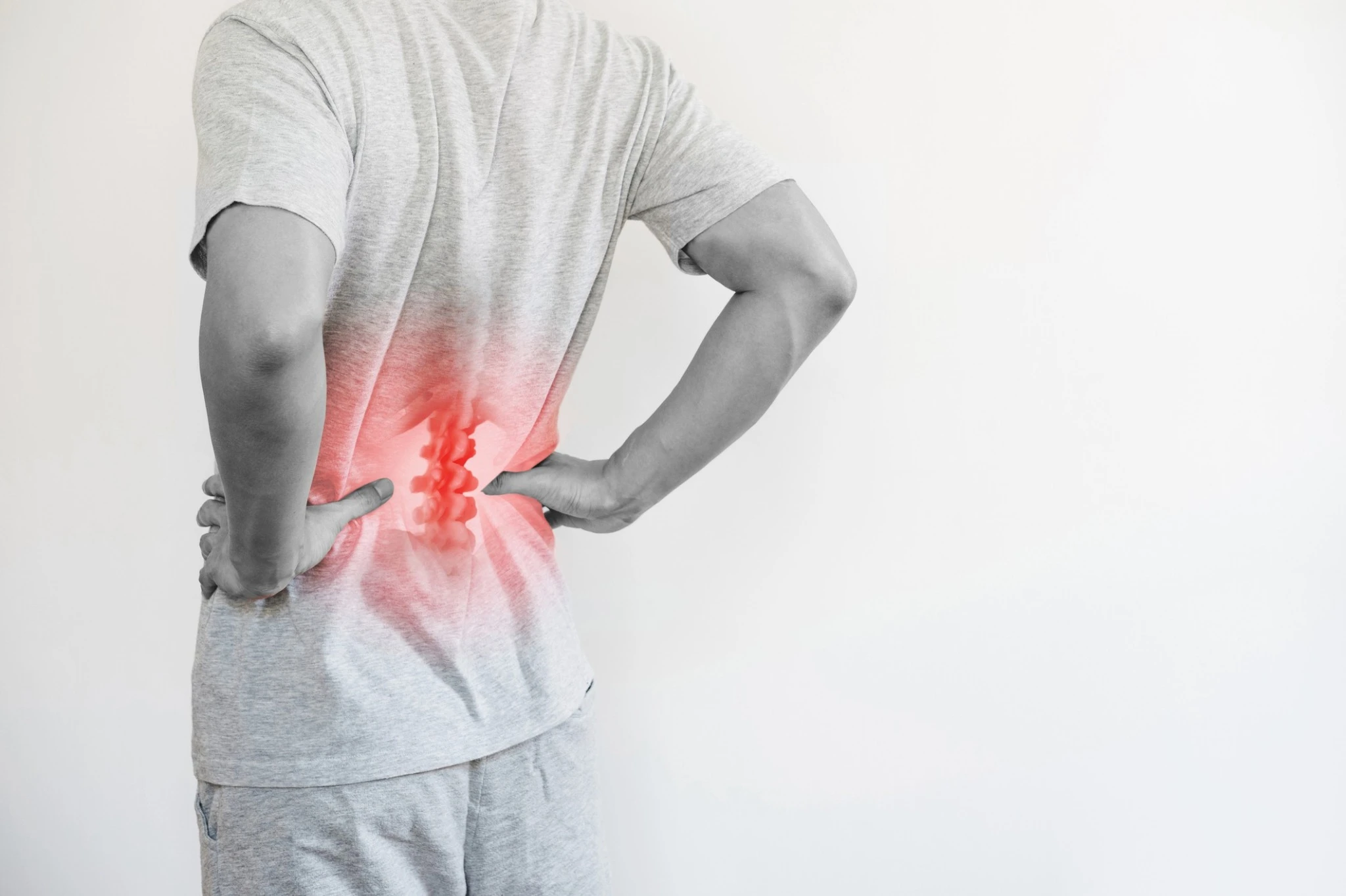
Does Spinal Stenosis Always Get Worse With Age?
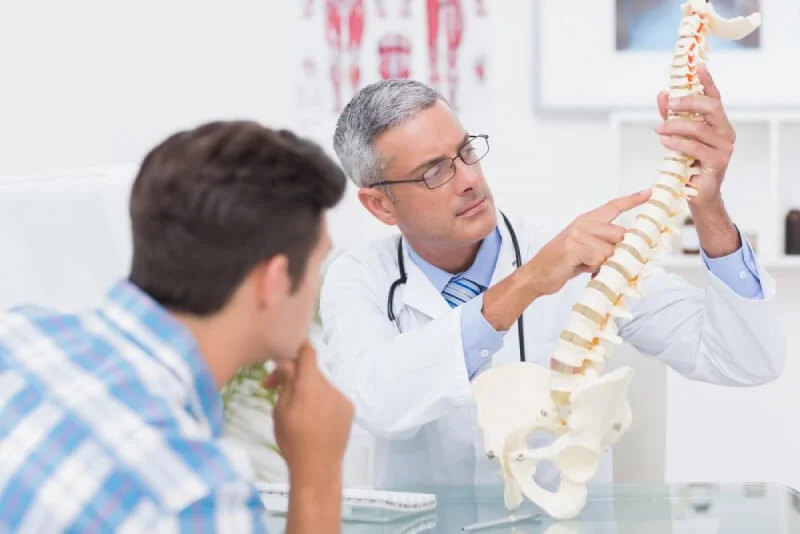
Age may bring wisdom and experience, but it can also bring pain, especially in your back. Spinal stenosis is one of the most common causes of lower back pain as we get older, but does it always get worse?
At Spinal Diagnostics, our team of spine care specialists provides advanced treatments for spinal conditions in Tualatin and Newberg, Oregon. If you’ve been diagnosed with spinal stenosis or think you may have it, here’s what to know about how it progresses and what you can do about it.
Understanding spinal stenosis
Spinal stenosis is the narrowing of the spinal canal — the open space in your spine that houses the spinal cord and nerves. When this space becomes narrower, it can place pressure on the nerves and cause a variety of symptoms, including:
- Lower back pain
- Neck pain
- Numbness or tingling in the arms or legs
- Muscle weakness
- Pain that worsens when walking or standing
This condition often results from age-related wear and tear, such as osteoarthritis, thickened ligaments, or herniated discs. While anyone can develop spinal stenosis, it’s most common in people over the age of 50.
Does it always get worse?
Spinal stenosis is a degenerative condition, meaning it’s typically progressive — but that doesn’t mean it gets worse in every case.
Some people experience mild symptoms that stay the same for years. Others may see a gradual worsening of symptoms, especially if spinal arthritis or other conditions continue to progress. However, with proper management, many patients are able to maintain a good quality of life and minimize symptom progression.
Factors that can influence progression include:
- Level of physical activity
- Posture and spinal alignment
- Overall health and weight
- Whether other spinal issues are present
Ultimately, early diagnosis and proactive care play a key role in managing symptoms and slowing progression.
Personalized care for chronic pain, spine conditions, and nerve disorders. Let us help you feel your best again.Live Life Without Pain
How to manage spinal stenosis
Even if spinal stenosis doesn’t always worsen, it’s important to take steps to protect your spine and reduce symptoms. Treatment depends on severity, but may include:
- Physical therapy: Exercises can strengthen the muscles supporting your spine, improve flexibility, and ease pressure on nerves.
- Medications: Anti-inflammatory drugs and muscle relaxants can relieve pain and reduce inflammation.
- Epidural steroid injections: These can help reduce swelling and pain around the compressed nerves.
- Minimally invasive procedures: Advanced options like the Vertiflex™ procedure can relieve pressure without major surgery.
Maintaining a healthy weight, practicing good posture, staying active, and avoiding heavy lifting can also help prevent the condition from worsening over time.
In more severe cases, surgery may be recommended to create more space in the spinal canal and relieve nerve pressure. But for many patients, conservative care is enough to live comfortably with spinal stenosis.
If you’re concerned about your spinal stenosis or are noticing new or worsening symptoms, contact us today to schedule an evaluation. Our team is here to help you move freely and live pain-free, no matter your age.