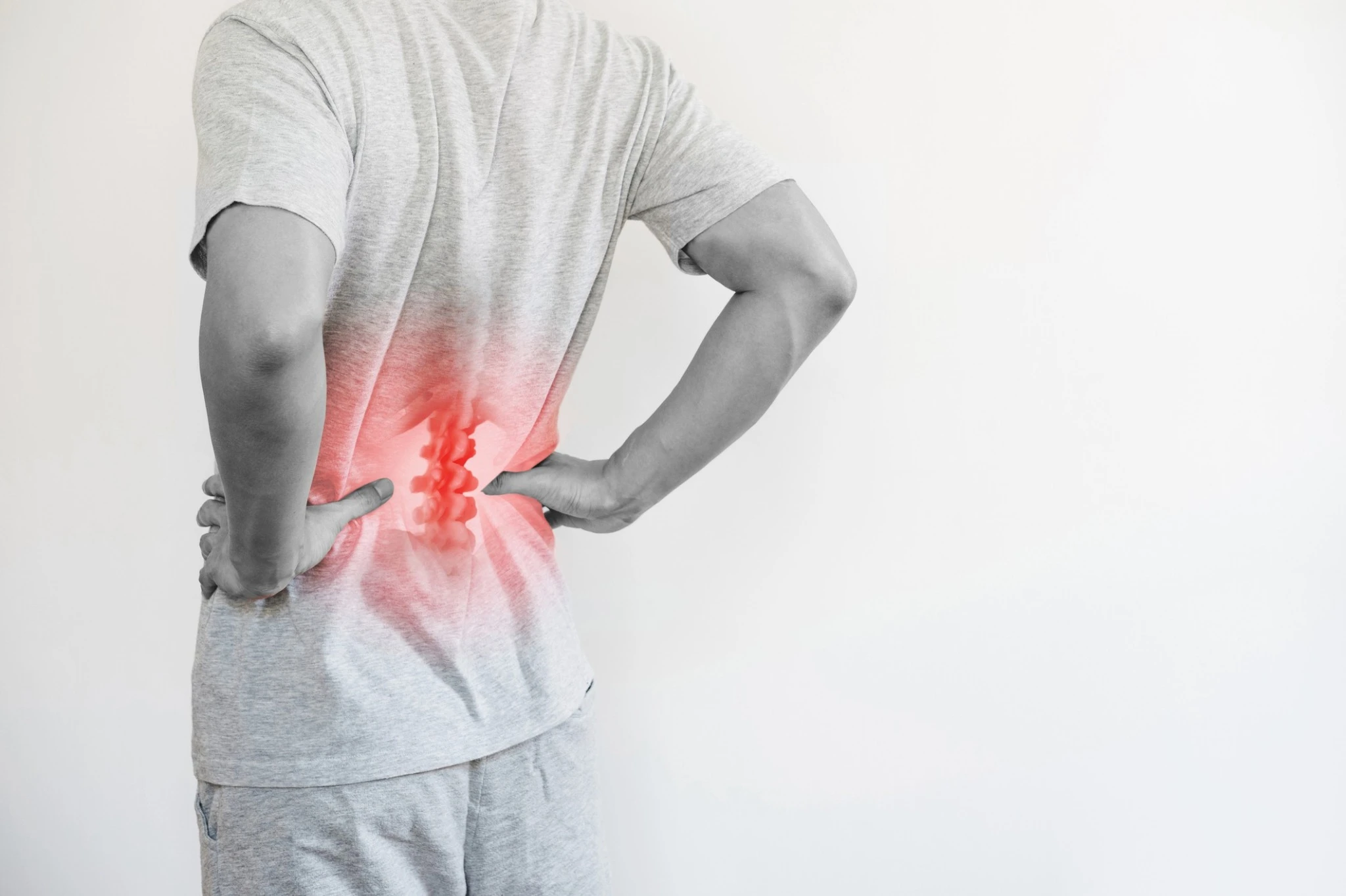
Is Sitting the New Smoking? Fixes for Desk Life
If you spend most of your day at a desk, you have probably heard some version of this question: Is sitting at a desk as bad as smoking? The comparison is dramatic, but it points to a real issue. Sitting for too long, especially with poor posture and an improper workstation, can contribute to stiffness, back pain, and long-term discomfort.
For many people, desk life leads to being sore when sitting, dealing with soreness when sitting, or feeling pain standing up after sitting. Others notice that after sitting it hurts to walk, or they start asking, why do I get stiff after sitting? The good news is that the right chair, better posture, and a proper ergonomic desk setup can make a major difference.
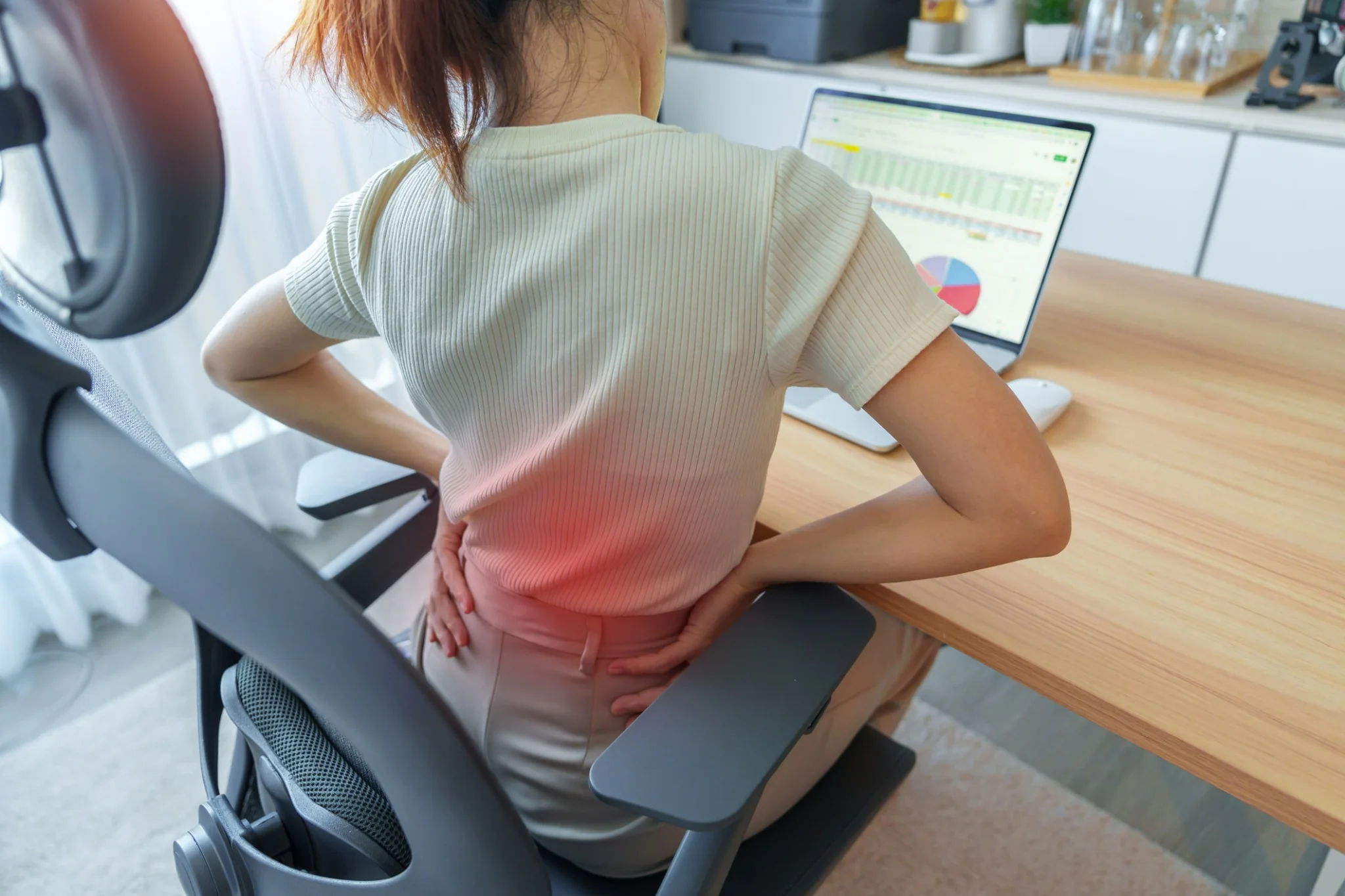
Is sitting for too long really unhealthy?
Yes. Sitting too long is not harmless, especially when paired with a sedentary routine and poor office ergonomics. The body is designed to move. When you stay in one position for hours, muscles tighten, circulation slows, and pressure builds in the spine and hips.
This is why people often experience:
Soreness from sitting too long
Feeling sore from sitting too long
Pain when getting up from sitting
Back and neck tightness at the end of the workday
So while sitting itself is not the enemy, poor ergonomics in the workplace and long periods of inactivity can absolutely affect your health.
Why does sitting cause back pain?
Most desk workers are not sitting in an ergonomically correct way. Over time, slouching, leaning forward, or using a poor chair places stress on the spine.
This is why so many people look for an ergonomic chair for back pain, office chairs for back pain, or a desk chair for back pain. The right support matters because when your chair fails to support your lower back, your muscles compensate. That can lead to daily pain, fatigue, and poor posture.
Common searches reflect the problem clearly:
Office chair for lower back pain
Chair for back pain
Chair for lower back pain
Backache chair
Desk chair for bad back
If you sit all day, your chair is not just furniture. It is part of your treatment plan.
What is the best chair for back pain?
The best chair is one that supports your spine in a neutral position and helps you move naturally throughout the day. A good office chair with good lumbar support is often one of the most important upgrades for people with chronic discomfort.
When comparing best chairs for back pain, best office chair for back, or office chairs for bad backs, look for these features:
Adjustable seat height
Lumbar support
Armrests that do not force your shoulders upward
A seat depth that allows your feet to stay flat
A backrest that supports the natural curve of the spine
For some people, an ergonomic office chair for back pain works best. Others may prefer orthopaedic chairs, an orthopedic chair for back pain, or a simple lumbar chair with the right fit.
If you are working or studying long hours, a study chair for back pain, computer chair for back problems, or computer chairs for back problems can be a smart investment in daily comfort.
What is a proper ergonomic desk setup?
A proper ergonomic setup means your body is supported from head to toe. A chair alone is not enough. You need an ergonomic workstation that reduces strain across your whole body.
A strong ergonomic office setup includes:
Monitor at eye level
Elbows close to the body
Forearms supported
Wrists neutral
Feet flat on the floor
Hips and knees at comfortable angles
This is the basis of proper desk ergonomics, correct ergonomics for desk, and a proper ergonomic desk setup.
People often search for:
Ergonomic desk set up
Correct ergonomic desk setup
Ideal ergonomic desk setup
Ergonomic workstation setup
Ergonomic computer workstation
Ergonomic computer setup
All of these terms point to the same goal: reducing strain through better alignment.
From spine injections to nerve blocks and cutting-edge therapies, we help you move forward, pain free.Take the First Step Toward Relief
How should you set up a workstation?
Setting up a workstation the right way can reduce both immediate discomfort and long-term wear and tear.
Here are some essential workplace desk ergonomics tips:
Chair
Choose one of the better office seats for bad backs or office desk chairs for bad backs if you already have symptoms. If neck tension is part of the problem, an office chair for bad back and neck may help more than a generic model.
Desk
Your desk height should let you keep your shoulders relaxed. A poor desk height can ruin even the best ergonomic chair for back problems.
Screen
A proper workstation setup keeps the screen directly in front of you so you are not twisting or looking down all day.
Keyboard and mouse
Your arms should stay close to your body. This supports good desk ergonomics and reduces shoulder strain.
This is what workspace ergonomics looks like in real life. It does not have to be complicated, but it does have to be intentional.
What are the best sitting positions for desk work?
The best sitting positions are the ones that keep your spine aligned and allow you to move regularly. There is no perfect position for eight straight hours, which is why posture changes matter.
Healthy ways to sit in a chair include:
A balanced sit upright position
Feet flat and supported
Back resting lightly against the chair
Hips level
Shoulders relaxed
Learning about different postures of sitting is helpful because many desk workers default to slouching, leaning forward, or crossing their legs in a way that increases discomfort.
Good posture is not about stiffness. It is about supported, relaxed alignment.
Why do you feel stiff after sitting?
If you have ever asked, why do I get stiff after sitting? the answer is simple: your muscles and joints stop moving the way they should when you stay in one position too long.
That can cause:
Tight hips
Lower back stiffness
Mid-back discomfort
Pain stand moments when you first get up
A feeling that your body has to “reset” before walking normally
If you regularly feel sore when sitting or notice after sitting it hurts to walk, your body is likely reacting to prolonged compression and reduced movement.
Ergonomics in the workplace: examples that actually help
Good ergonomics in the workplace is not theoretical. It should be practical and visible in your daily routine.
Some strong ergonomics in the workplace examples include:
Adjustable chairs
Monitor risers
Footrests
Sit-stand desk options
Scheduled movement breaks
Training on workplace posture and ergonomics
These are real examples of good ergonomics that can improve comfort and prevent repetitive strain over time.
Personalized care for chronic pain, spine conditions, and nerve disorders. Let us help you feel your best again.Live Life Without Pain
Final thoughts
So, is sitting the new smoking? Not exactly. But sitting poorly, sitting too long, and ignoring ergonomic safety can absolutely create real problems.
The solution is not just to stand more. It is to improve your full ergonomic work station, choose a better chair for back pain, and create habits that support movement throughout the day.
Whether you are looking for office chairs for back issues, ergonomic chairs for back problems, or simply trying to improve your ergonomic desk setup, small changes can lead to lasting relief.