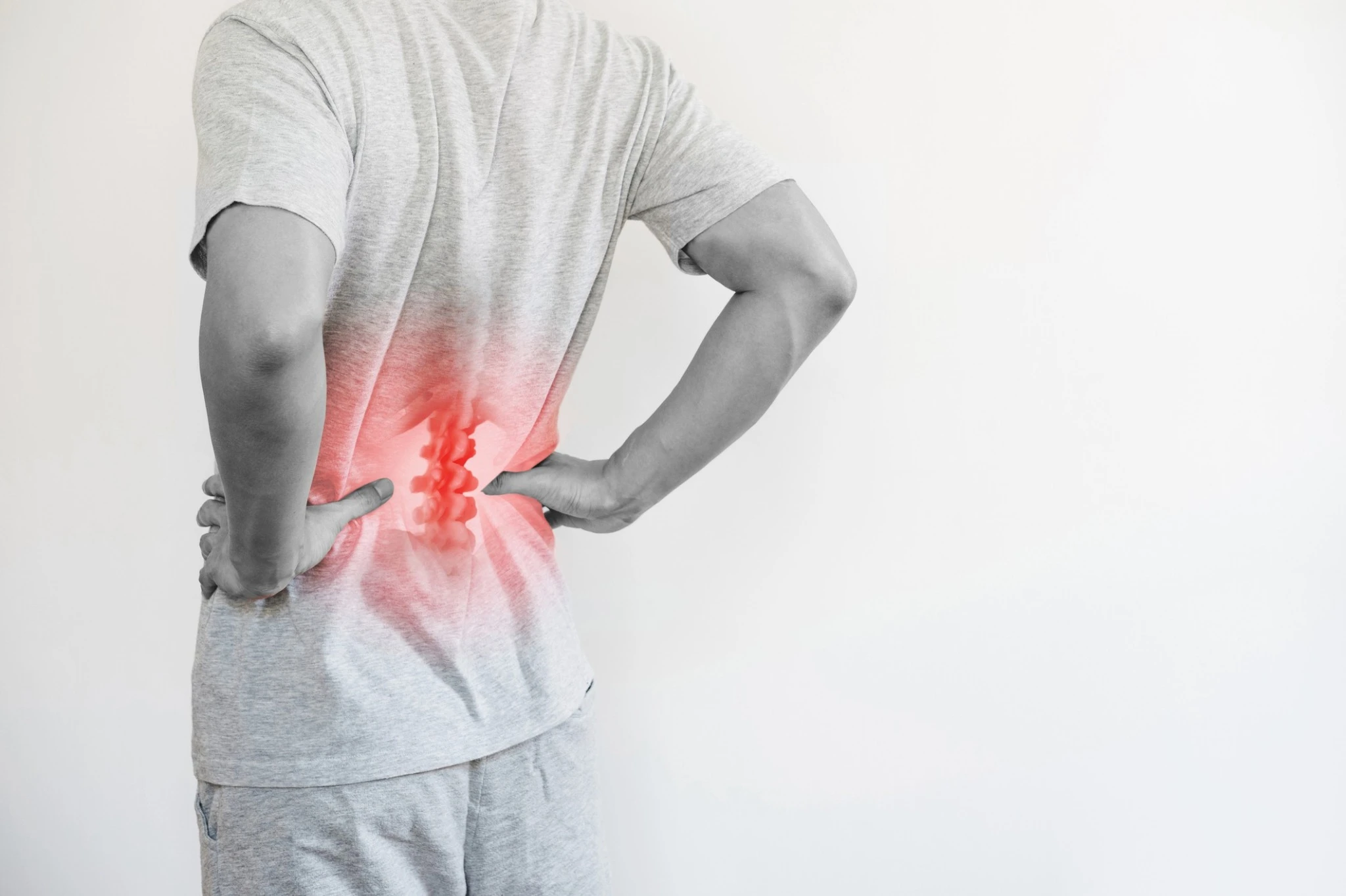
Can Weight Gain Cause Sciatic Pain?
Sciatica describes a set of symptoms that originate from compression or irritation of the sciatic nerve — the largest nerve in your body. This discomfort can extend from your lower back down into your hips, buttocks, legs, and even feet.
At Spinal Diagnostics, our experienced team understands that sciatica can have many root causes. While herniated discs and spinal stenosis are common culprits, something as seemingly unrelated as weight gain can also play a significant role.
Let’s take a closer look at how added weight may trigger or worsen sciatic pain and what you can do about it.
Understanding the sciatic nerve
Your sciatic nerve runs from your lower spine through your hips and buttocks and down each leg. It controls muscle movement and sensation in much of your lower body. When this nerve becomes compressed — either from bone spurs, a bulging disc, inflammation, or muscle tension — it can lead to radiating pain, numbness, tingling, or weakness.
The discomfort caused by sciatica can vary in intensity and location, but for many people, it’s a daily disruption to life and mobility.
The link between weight gain and sciatic pain
Carrying extra weight, especially around your midsection, increases the mechanical load on your spine. This extra pressure can:
- Shift your center of gravity, causing postural misalignment
- Place strain on your lumbar spine and spinal discs
- Aggravate existing issues such as disc herniation or degenerative disc disease
- Contribute to inflammation in surrounding muscles and tissues
All of these factors can lead to or exacerbate compression of the sciatic nerve, resulting in pain that can range from mild to debilitating.
In addition, weight gain can make it more difficult to stay active — and a sedentary lifestyle is another major contributor to sciatica.
Personalized care for chronic pain, spine conditions, and nerve disorders. Let us help you feel your best again.Live Life Without Pain
How we treat sciatica related to weight gain
At Spinal Diagnostics, we believe in personalized, multidisciplinary treatment. If weight gain is contributing to your sciatic pain, we’ll help you create a plan that may include:
- Weight management support — guidance on nutrition and physical activity to gradually reduce pressure on your spine
- Physical therapy — stretching and strengthening exercises that improve spinal support and mobility
- Injections or nerve blocks — to reduce inflammation and alleviate nerve pain
- Postural retraining — learning how to move and sit to reduce strain on your lower back
- Minimally invasive procedures — in cases where structural issues require intervention
It’s never too late to regain control over your comfort and quality of life. Even modest weight loss can significantly reduce sciatic symptoms in many individuals.
If you’re struggling with sciatic pain and think your weight may be contributing, contact our team in Tualatin or Newberg, Oregon, to schedule a consultation and begin your path toward relief.