
Meta Pixel

When Back Surgery Is Your Best Option

Back Surgery

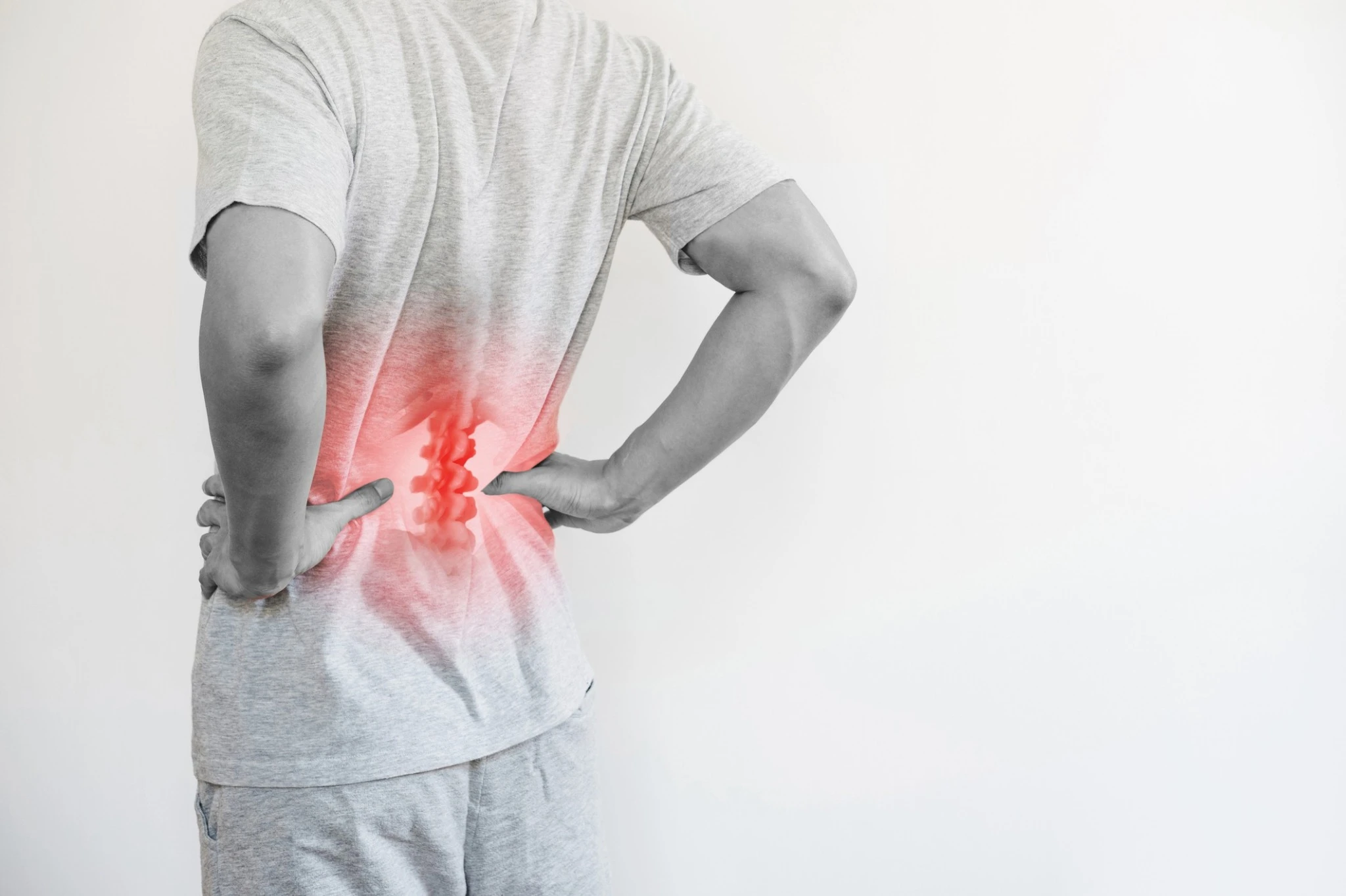
Most people who develop back pain want to avoid surgery — and that’s a great instinct. At Spinal Diagnostics, we always prioritize conservative and minimally invasive treatments first.

That said, back surgery remains a necessary and effective solution for some conditions when other approaches fail. So, how do you know when surgery is the right option?

When to try nonsurgical care

Back surgery is rarely the first line of treatment. In most cases, we recommend starting with:

  • Physical therapy
  • Postural adjustments
  • Medication management
  • Injections or nerve blocks
  • Minimally invasive procedures like radiofrequency ablation or spinal cord stimulation

These approaches aim to relieve pain, reduce inflammation, and support healing without major interventions. They also allow us to pinpoint the root cause of your symptoms more clearly over time.

Signs you may need surgery

We may recommend surgery if:

  • You’ve tried conservative care for several months with little or no relief
  • Your imaging (like an MRI or CT scan) shows clear structural damage that compresses your nerves or spinal cord
  • You have progressive muscle weakness or numbness in your legs
  • You’re experiencing bowel or bladder issues due to spinal nerve compression

Conditions that often require surgery include herniated discs, spinal stenosis, degenerative disc disease, or spinal instability caused by trauma or arthritis.

What types of back surgeries are available?

The right procedure depends on your diagnosis. Some common surgical options include:

  • Laminectomy: Removes part of the bone to relieve pressure on the spinal cord or nerves
  • Discectomy: Removes a portion of a herniated disc pressing on a nerve
  • Spinal fusion: Joins two or more vertebrae to prevent painful movement
  • Artificial disc replacement: Replaces a damaged disc with a prosthetic one

Minimally invasive surgical techniques are often available, which can reduce downtime, scarring, and overall recovery time.

We guide you every step of the way

At Spinal Diagnostics, we work closely with you to determine whether surgery is the right path. If it is, we coordinate care with trusted surgical specialists and ensure you’re well-prepared before and after your procedure.

It’s never easy to consider back surgery, but for the right person, it can be life-changing.

If you’re dealing with persistent back pain and wondering what’s next, schedule a consultation with our team. We’ll help you explore all your treatment options and move forward with confidence.
FOLLOW US

Common Injuries in the Hand and Wrist

Common Injuries in the Hand and Wrist   Our hands and wrists are some of the most active parts of the body—typing, lifting, gripping, or even playing sports. Because of that constant use, it’s no surprise that injuries like carpal tunnel syndrome, tendonitis, and...

Pelvic Floor Dysfunction? Enhance Your Postpartum Recovery With Physical Therapy

Pelvic Floor Dysfunction? Enhance Your Postpartum Recovery With Physical Therapy   After pregnancy and childbirth, many women experience changes in their bodies that they didn’t expect—pelvic discomfort, pressure, or even pain during daily activities. These...

Shoulder Injury Prevention When Lifting

Shoulder Injury Prevention When Lifting   Shoulder pain is one of the most common issues for people who lift weights. Whether you’re a beginner or a seasoned athlete, improper technique or overtraining can lead to discomfort and even long-term injuries. If you’ve...

Virtual Physical Therapy: A New Approach to Chronic Pain Care

Virtual Physical Therapy: A New Approach to Chronic Pain Care   For millions of people living with back, neck, or joint pain, traveling to in-person therapy appointments can be exhausting or even impossible. That’s why virtual care has become a powerful...

Why Is My Knee Popping?

Why Is My Knee Popping? You’re walking across the room or going for a run when suddenly—pop! That unexpected sound or sensation coming from your knee can be surprising or even concerning. Knee popping, clicking, or cracking noises are common, but when they’re paired...

Non-Surgical Solutions for Nerve Pain Relief

Non-Surgical Solutions for Nerve Pain Relief Living with chronic nerve pain can be exhausting. The burning, tingling, or stabbing sensations in the feet, legs, or back can make even simple daily tasks difficult. While some people rely on prescription medications,...

Telehealth Physical Therapy for Seniors

Telehealth Physical Therapy for Seniors Telehealth has transformed the way healthcare is delivered, and physical therapy is no exception. For many older adults, virtual appointments mean fewer barriers to care and more flexibility. But seniors and their families often...

The Link Between Poor Posture and Jaw Pain

The Link Between Poor Posture and Jaw Pain When most people think about posture, they imagine standing up straight or avoiding slouching at a desk. But posture affects more than just your back and shoulders—it can also influence...

Front of Ankle Pain: Causes & Treatments

Front of Ankle Pain: Causes & Treatments Pain in the front of the ankle or along the inner arch of the foot can be frustrating, especially if it keeps you from walking, running, or exercising comfortably. Whether you’re feeling inner arch foot pain, experiencing a...

Physical Therapy for Cervical Dystonia

Physical Therapy for Cervical Dystonia   Cervical dystonia is a neurological condition that causes involuntary muscle contractions in the neck, often resulting in abnormal head posture, pain, and stiffness. Also known as...