
Meta Pixel

Lifestyle Changes to Reduce Your Risk of Migraines

Migraines are more than just headaches. They’re complex neurological events that can be debilitating and difficult to manage. While there are medications to help reduce symptoms, many people are looking for natural ways to reduce migraine frequency.

At Spinal Diagnostics, we support a holistic approach to migraine care, which includes lifestyle changes that may lower your risk of recurring migraine attacks.
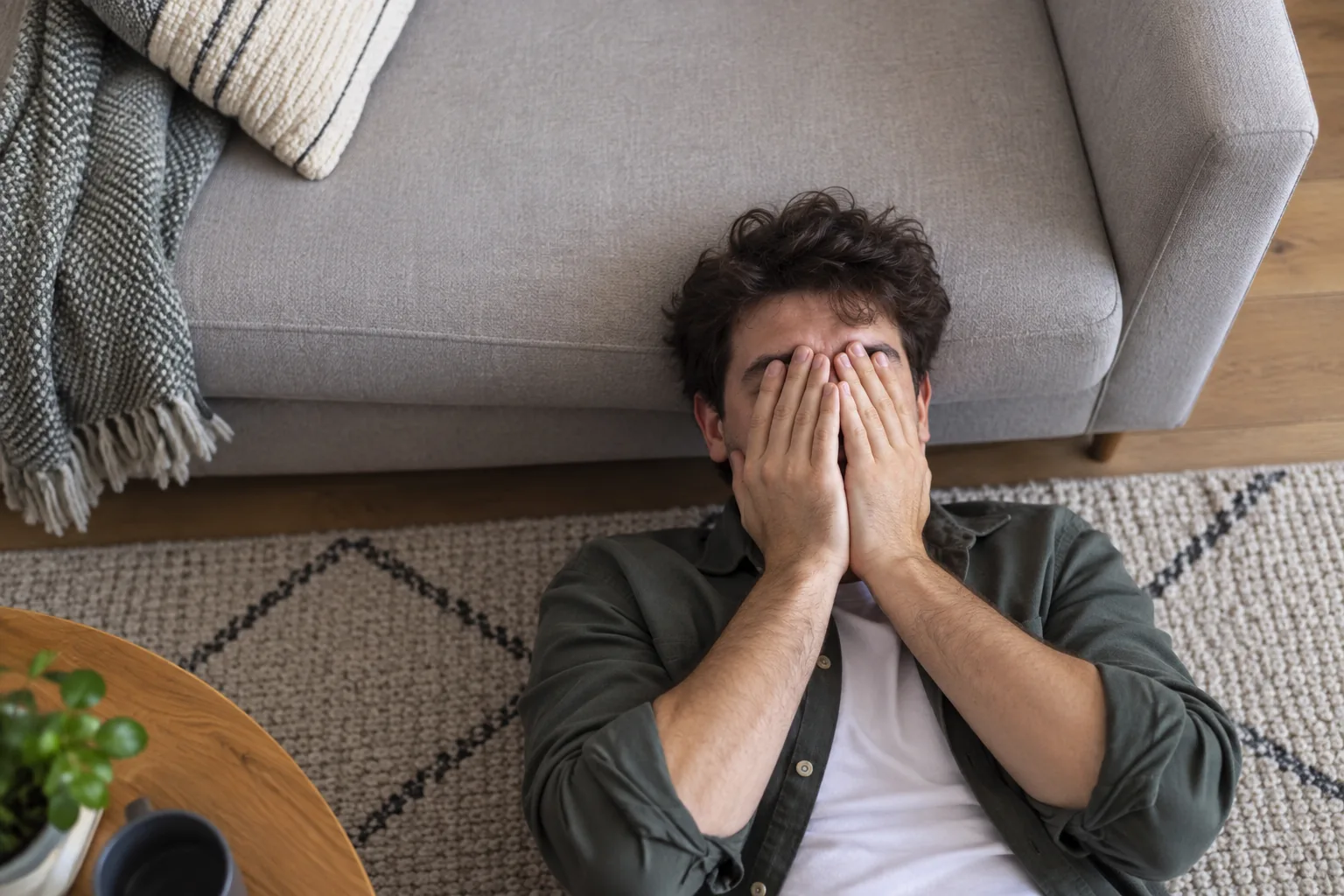
Man lying on the floor at home covering his face while experiencing migraine symptoms

What lifestyle changes help reduce migraines?

There’s no one-size-fits-all solution for migraines, but several habits can help reduce your risk:

  • Maintain a consistent sleep schedule: Irregular sleep is a common trigger. Aim to go to bed and wake up at the same time every day.
  • Stay hydrated: Even mild dehydration can trigger migraines in some people. Make sure you’re drinking enough water throughout the day.
  • Exercise regularly: Physical activity helps reduce stress and improve circulation, both of which may prevent migraines.
  • Manage stress: Chronic stress is a major migraine trigger. Consider relaxation techniques like meditation, breathing exercises, or yoga.
  • Monitor your diet: Foods like chocolate, aged cheese, processed meats, and alcohol may trigger migraines in some people. Keep a food diary to identify your personal triggers.

Compassionate Experts You Can Trust

Our board-certified specialists listen, diagnose, and guide you through every step of your pain journey.

Schedule an appointment

Create a migraine prevention routine

Incorporating these habits into your daily life can help reduce the frequency and severity of migraines over time. Start small — even one or two consistent changes can make a difference.

Tracking your habits and migraine episodes in a journal or app can help you recognize patterns and identify which lifestyle changes are helping the most.

Remember that it may take time to see the full impact of these adjustments. Be patient and consistent, and don’t hesitate to reach out to your healthcare provider if your migraines continue or worsen.

If you’re ready to explore holistic migraine prevention strategies, contact our team at Spinal Diagnostics today. We’re here to help you live with less pain and more control.
FOLLOW US

Lower Back and Pelvic Pain: When Could They Be Connected?

Lower Back and Pelvic Pain: When Could They Be Connected? Experiencing lower back and pelvic pain at the same time can be confusing. You may feel discomfort around your lower back, hips, buttocks, or pelvic area without knowing exactly where the pain begins. Yes,...

Adult Tummy Time: Benefits for Posture and Core Strength

Adult tummy time involves intentionally spending time lying on your stomach, often with elbows propped, to strengthen back and core muscles, improve spinal alignment, and counteract the effects of prolonged sitting. This simple yet effective exercise can significantly...

Work-Related Back Pain: What If It Doesn’t Get Better?

Work-Related Back Pain: What If It Doesn’t Get Better? Work-related back pain does not always improve on the same timeline for everyone. If symptoms remain persistent, keep returning during normal tasks, become more intense, limit movement, or occur with numbness,...

Back Pain After a Fall: What Symptoms Matter Most

Back Pain After a Fall: What Symptoms Matter Most Back pain after a fall can range from temporary soreness or stiffness to symptoms that deserve closer evaluation. What matters is not only how much your back hurts, but whether symptoms are improving or worsening,...

Back Pain After a Car Accident: Why Symptoms May Show Up Later

Back Pain After a Car Accident: Why Symptoms May Show Up Later Back pain after a car accident does not always begin immediately. Soreness, stiffness, inflammation, or irritation involving muscles, joints, or nerves may become more noticeable during the hours or days...

What to Expect at Your First Pain Management Appointment

What to Expect at Your First Pain Management Appointment If you are wondering what to expect at your first pain management appointment, the visit is usually focused on understanding your symptoms, medical history, previous care, and how pain affects your daily life....

Do You Need an MRI for Back Pain? What It Can and Can’t Show

Do You Need an MRI for Back Pain? What It Can and Can’t Show If you have ongoing or recurring back pain, it is natural to wonder whether you need an MRI. An MRI for back pain can be useful in certain situations, but not everyone needs imaging right away. Not everyone...

What Does a Pinched Nerve Feel Like? Pain, Tingling, Numbness, and Weakness

What Does a Pinched Nerve Feel Like? Pain, Tingling, Numbness, and Weakness If you are asking, “what does a pinched nerve feel like?” the answer often starts with sensations that feel different from ordinary soreness. A pinched or irritated nerve may cause pain,...

When Should You See a Doctor for Back or Neck Pain?

When Should You See a Doctor for Back or Neck Pain? If you are wondering when to see a doctor for back pain, the answer is not based only on how intense the pain feels. Consider an evaluation when back or neck pain persists, keeps returning, worsens, or repeatedly...

Can Poor Posture Cause Neck and Back Pain?

Can Poor Posture Cause Neck and Back Pain? If your neck feels tight after a long workday, your upper back aches after laptop use, or your lower back hurts after hours of sitting, it is reasonable to wonder whether posture is part of the problem. Many people connect...