
Meta Pixel

How Neuromodulation Can Relieve Your Diabetic Peripheral Neuropathy

More than half of people with diabetes develop diabetic peripheral neuropathy (DPN), a condition that affects the nerves in the legs and feet. It’s not just tingling and numbness — DPN can lead to intense pain, burning sensations, and even loss of mobility.

At Spinal Diagnostics, we understand how debilitating this condition can be, and we offer advanced treatments to help restore your quality of life — including a technique called neuromodulation.
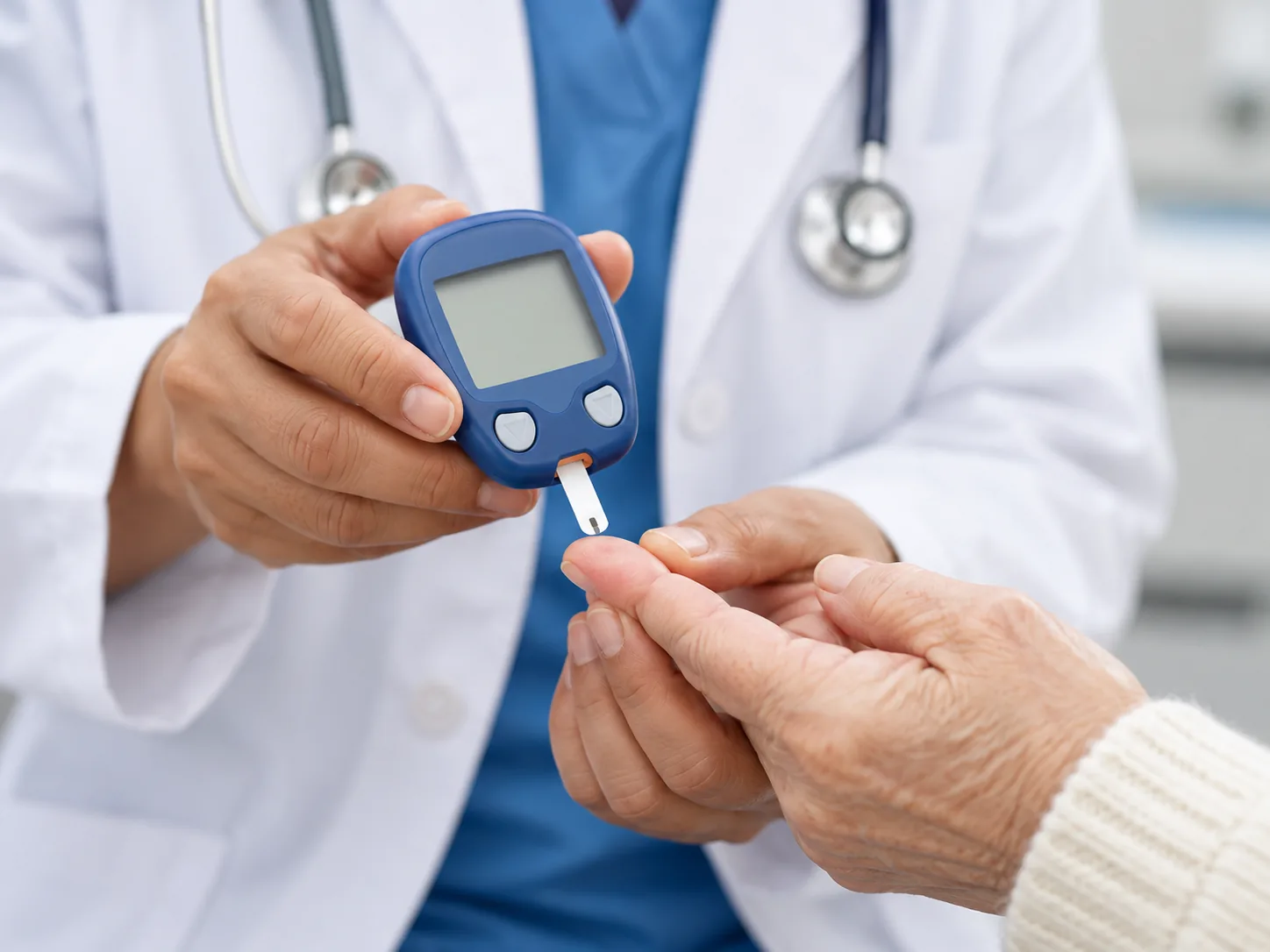
Healthcare provider checking an older patient's blood glucose level with a glucose meter.

What is neuromodulation?

Neuromodulation is a therapy that involves using electrical stimulation to alter nerve activity. It doesn’t treat the underlying cause of your neuropathy — diabetes — but it helps control the way your nerves communicate pain signals to your brain.

In most cases, neuromodulation is delivered via a spinal cord stimulator or a dorsal root ganglion (DRG) stimulator. These devices are implanted near the spinal cord or nerve root and emit mild electrical impulses that interrupt pain signals.

How does it help diabetic peripheral neuropathy?

Traditional treatments for DPN — such as medications, topical creams, and physical therapy — don’t always offer long-term relief. Neuromodulation provides another option, especially for those whose symptoms are severe or don’t respond well to conservative care.

Neuromodulation can:

  • Reduce the burning, stabbing, or tingling sensations in the feet and legs
  • Improve overall comfort and sleep quality
  • Help reduce reliance on pain medications

Many patients experience significant improvement in their symptoms and are able to return to activities they had avoided due to pain or discomfort.

Take the First Step Toward Relief

From spine injections to nerve blocks and cutting-edge therapies, we help you move forward, pain free.

Is neuromodulation right for you?

Before recommending neuromodulation, our team performs a thorough evaluation to determine if it’s appropriate for your type and severity of neuropathy. We may begin with a temporary trial to ensure the treatment is effective before proceeding with a permanent implant.

If you’re struggling with diabetic peripheral neuropathy and want to explore long-term relief options, contact us today to schedule a consultation in Tualatin or Newberg, Oregon.
FOLLOW US

Lower Back and Pelvic Pain: When Could They Be Connected?

Lower Back and Pelvic Pain: When Could They Be Connected? Experiencing lower back and pelvic pain at the same time can be confusing. You may feel discomfort around your lower back, hips, buttocks, or pelvic area without knowing exactly where the pain begins. Yes,...

Adult Tummy Time: Benefits for Posture and Core Strength

Adult tummy time involves intentionally spending time lying on your stomach, often with elbows propped, to strengthen back and core muscles, improve spinal alignment, and counteract the effects of prolonged sitting. This simple yet effective exercise can significantly...

Work-Related Back Pain: What If It Doesn’t Get Better?

Work-Related Back Pain: What If It Doesn’t Get Better? Work-related back pain does not always improve on the same timeline for everyone. If symptoms remain persistent, keep returning during normal tasks, become more intense, limit movement, or occur with numbness,...

Back Pain After a Fall: What Symptoms Matter Most

Back Pain After a Fall: What Symptoms Matter Most Back pain after a fall can range from temporary soreness or stiffness to symptoms that deserve closer evaluation. What matters is not only how much your back hurts, but whether symptoms are improving or worsening,...

Back Pain After a Car Accident: Why Symptoms May Show Up Later

Back Pain After a Car Accident: Why Symptoms May Show Up Later Back pain after a car accident does not always begin immediately. Soreness, stiffness, inflammation, or irritation involving muscles, joints, or nerves may become more noticeable during the hours or days...

What to Expect at Your First Pain Management Appointment

What to Expect at Your First Pain Management Appointment If you are wondering what to expect at your first pain management appointment, the visit is usually focused on understanding your symptoms, medical history, previous care, and how pain affects your daily life....

Do You Need an MRI for Back Pain? What It Can and Can’t Show

Do You Need an MRI for Back Pain? What It Can and Can’t Show If you have ongoing or recurring back pain, it is natural to wonder whether you need an MRI. An MRI for back pain can be useful in certain situations, but not everyone needs imaging right away. Not everyone...

What Does a Pinched Nerve Feel Like? Pain, Tingling, Numbness, and Weakness

What Does a Pinched Nerve Feel Like? Pain, Tingling, Numbness, and Weakness If you are asking, “what does a pinched nerve feel like?” the answer often starts with sensations that feel different from ordinary soreness. A pinched or irritated nerve may cause pain,...

When Should You See a Doctor for Back or Neck Pain?

When Should You See a Doctor for Back or Neck Pain? If you are wondering when to see a doctor for back pain, the answer is not based only on how intense the pain feels. Consider an evaluation when back or neck pain persists, keeps returning, worsens, or repeatedly...

Can Poor Posture Cause Neck and Back Pain?

Can Poor Posture Cause Neck and Back Pain? If your neck feels tight after a long workday, your upper back aches after laptop use, or your lower back hurts after hours of sitting, it is reasonable to wonder whether posture is part of the problem. Many people connect...