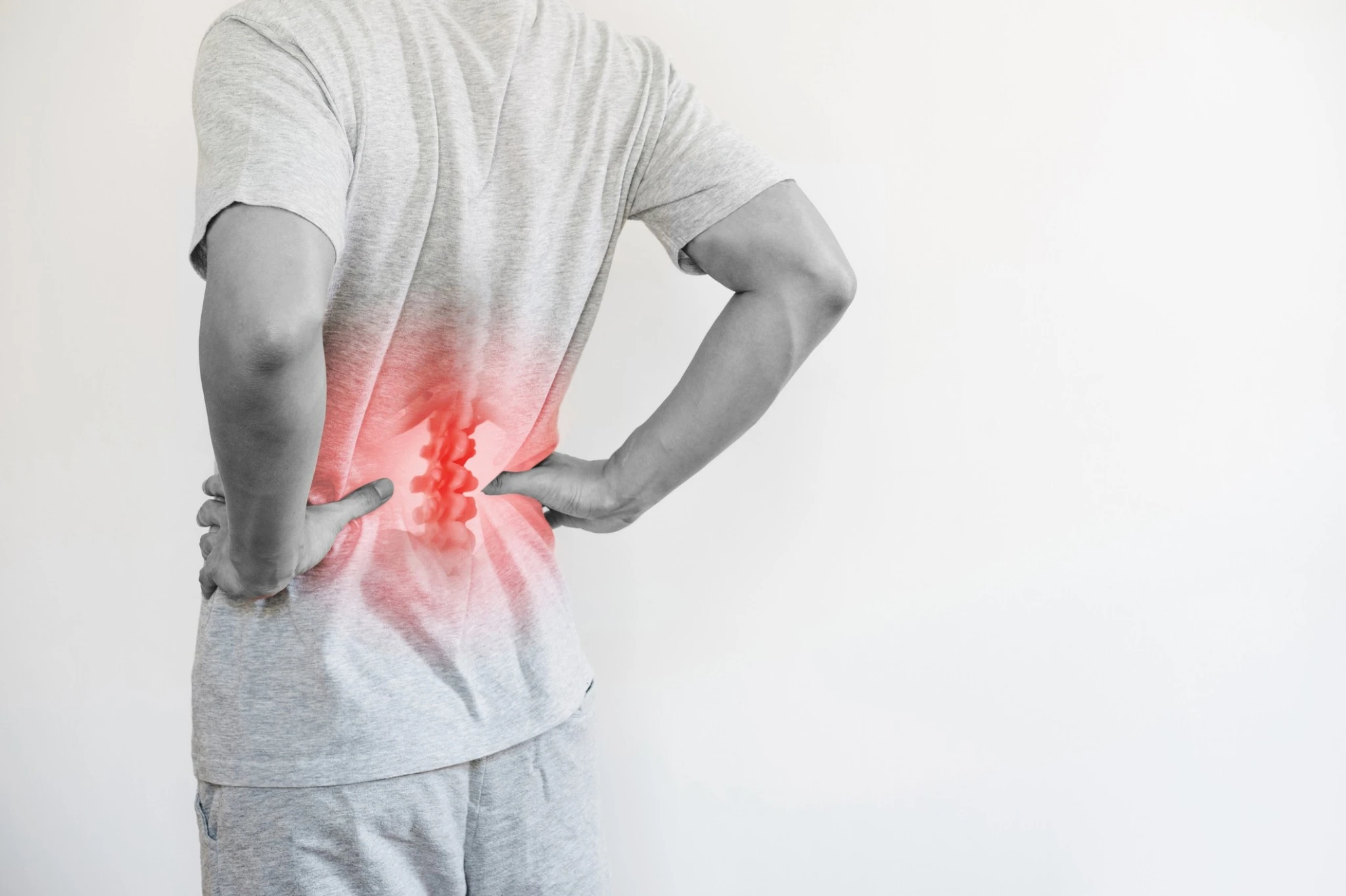
Lower Back and Pelvic Pain: When Could They Be Connected?
Experiencing lower back and pelvic pain at the same time can be confusing. You may feel discomfort around your lower back, hips, buttocks, or pelvic area without knowing exactly where the pain begins.
Yes, lower back and pelvic pain can sometimes be connected. The lower spine, pelvis, hips, and surrounding muscles work closely together, so irritation in one area may sometimes cause discomfort in another. However, pelvic pain has many possible causes, and having pain in both areas does not automatically mean your back is responsible.
Understanding how your symptoms behave, where they spread, and whether other symptoms are present can help determine when medical evaluation may be appropriate.

How Are Lower Back and Pelvic Pain Connected?
The lower back and pelvis work together to support movement, balance, and everyday activities. When you stand, walk, bend, sit, or change positions, muscles and joints around these areas help distribute movement and support your body.
Since these structures function closely together, irritation around the lower spine, hips, or pelvis may sometimes create overlapping pain patterns.
For example, muscle tension or joint irritation near the lower back may cause discomfort around the back of the pelvis or buttocks. In some cases, pain may also extend toward the hip.
Where you feel pain is not always where the irritation originates. Pain location alone cannot identify the exact source.
Can the SI Joint Cause Pain Near the Pelvis?
Yes. Irritation around the sacroiliac (SI) joint can sometimes cause pain near the lower back, buttock, or back of the pelvis.
The sacroiliac joints connect the base of the spine to the pelvic bones. They help transfer forces between the upper body and legs during everyday movement.
When this region becomes irritated, discomfort may appear on one side of the lower back, near the buttock, or around the back of the hip. Some people notice symptoms when standing, walking, climbing stairs, or changing positions.
Still, pelvic discomfort does not automatically mean an SI joint problem. Other muscles, joints, and non-spinal structures can produce similar symptoms.
Why Can Lower Back Pain Spread Into the Hip, Buttock, or Pelvis?
Pain does not always stay in one location. Sometimes discomfort from muscles or joints around the lower back is felt in nearby areas, including the hips, buttocks, or pelvis.
This can make it difficult to tell whether the problem begins in the back, hip, or pelvic region. Someone with lower back and hip pain, for example, may notice aching across the back of the pelvis or discomfort when standing after sitting.
The way symptoms change with movement, their duration, and any additional symptoms often provide more useful information than location alone. Persistent back and neck pain may deserve evaluation when it is not improving or begins affecting normal activity.
What If Lower Back Pain Spreads Toward the Groin?
Lower back pain that extends toward the groin or front of the pelvis can have several possible causes, including musculoskeletal and non-spinal conditions.
Some joint or muscle problems may produce discomfort that seems to spread between these areas. However, lower back and groin pain does not necessarily mean the spine is the source.
The hip, abdominal structures, urinary system, and other pelvic organs may also contribute to symptoms in this region.
If pain repeatedly spreads toward the groin, becomes more intense, or occurs with other symptoms, medical evaluation can help determine which area needs attention.
Does Movement or Position Make a Difference?
How pain changes with movement can provide useful clues about lower back and pelvic discomfort.
Some people notice symptoms when standing for long periods. Others feel worse when bending, walking, sitting, climbing stairs, or getting up from a chair.
Pain that increases with certain movements may suggest that a muscle or joint is sensitive to those activities. However, no single movement or position can confirm the source of lower back or pelvic pain.
These patterns are useful information to discuss with a healthcare provider, not reliable self-diagnostic tests.
Does Pelvic Pain Always Come From the Back?
No. Pelvic pain does not always come from the spine, joints, or surrounding muscles. Other body systems can cause discomfort in the pelvic region, sometimes alongside lower back pain.
Possible non-spinal sources may involve the urinary, gastrointestinal, reproductive, or abdominal systems.
Pelvic pain deserves appropriate medical evaluation when it occurs with symptoms such as:
- Changes in urination or bowel habits
- Unusual bleeding
- Fever or other systemic symptoms
- Significant abdominal discomfort
- Nausea or vomiting
- Pregnancy-related concerns
These symptoms should not automatically be attributed to a back problem.
Depending on the symptoms, a primary care provider or another appropriate healthcare professional may be better suited to investigate a non-spinal cause.
What If Pain Travels Into the Leg?
Pain traveling from the lower back into the buttock or leg may suggest possible nerve involvement, especially when accompanied by numbness, tingling, burning, or weakness.
This pattern can sometimes overlap with sciatica or radiculopathy, which involves irritation of a spinal nerve root. Some people may also experience symptoms associated with a pinched nerve.
These sensations do not automatically confirm nerve compression or permanent nerve damage. Persistent or worsening numbness, tingling, weakness, or difficulty walking deserves closer attention.
When Should Lower Back and Pelvic Pain Be Evaluated?
Evaluation may be appropriate when symptoms persist, worsen, repeatedly return, affect normal movement, spread into the hip or leg, or occur with numbness, tingling, or weakness.
It may also be reasonable to seek evaluation when pain spreads toward the buttock or groin, or when walking, sitting, standing, sleeping, or working becomes increasingly difficult.
Most overlapping back and pelvic discomfort is not automatically an emergency. However, seek urgent medical care for new loss of bladder or bowel control, numbness around the groin or saddle area, sudden significant weakness, or major difficulty walking.
Severe or rapidly worsening pain, fever with significant pain, or severe abdominal or pelvic symptoms may also require urgent attention.
What May an Evaluation Involve?
A provider may ask where the pain begins, whether it spreads, how long symptoms have been present, and which movements make the discomfort better or worse.
They may also review associated symptoms, including leg pain, numbness, weakness, urinary changes, or abdominal complaints. A physical examination may help determine whether the lower back, hips, or surrounding musculoskeletal structures could be contributing.
Imaging is not automatically necessary. The need for additional testing depends on your symptoms, medical history, examination, and overall clinical situation.
At Spinal Diagnostics, we evaluate back and neck pain and related spine symptoms with a patient-focused approach. If lower back and pelvic pain is persistent, worsening, or affecting normal activities, requesting an evaluation may help clarify whether a spine-related problem is contributing and what next steps may be appropriate.
An evaluation does not automatically mean imaging, injections, procedures, or surgery will be needed. When symptoms suggest a non-spinal source, evaluation by the appropriate healthcare provider remains important.
Take the First Step Toward Relief
From spine injections to nerve blocks and cutting-edge therapies, we help you move forward, pain free.