
Meta Pixel

How to Know if You Have Spinal Stenosis

Spinal Stenosis

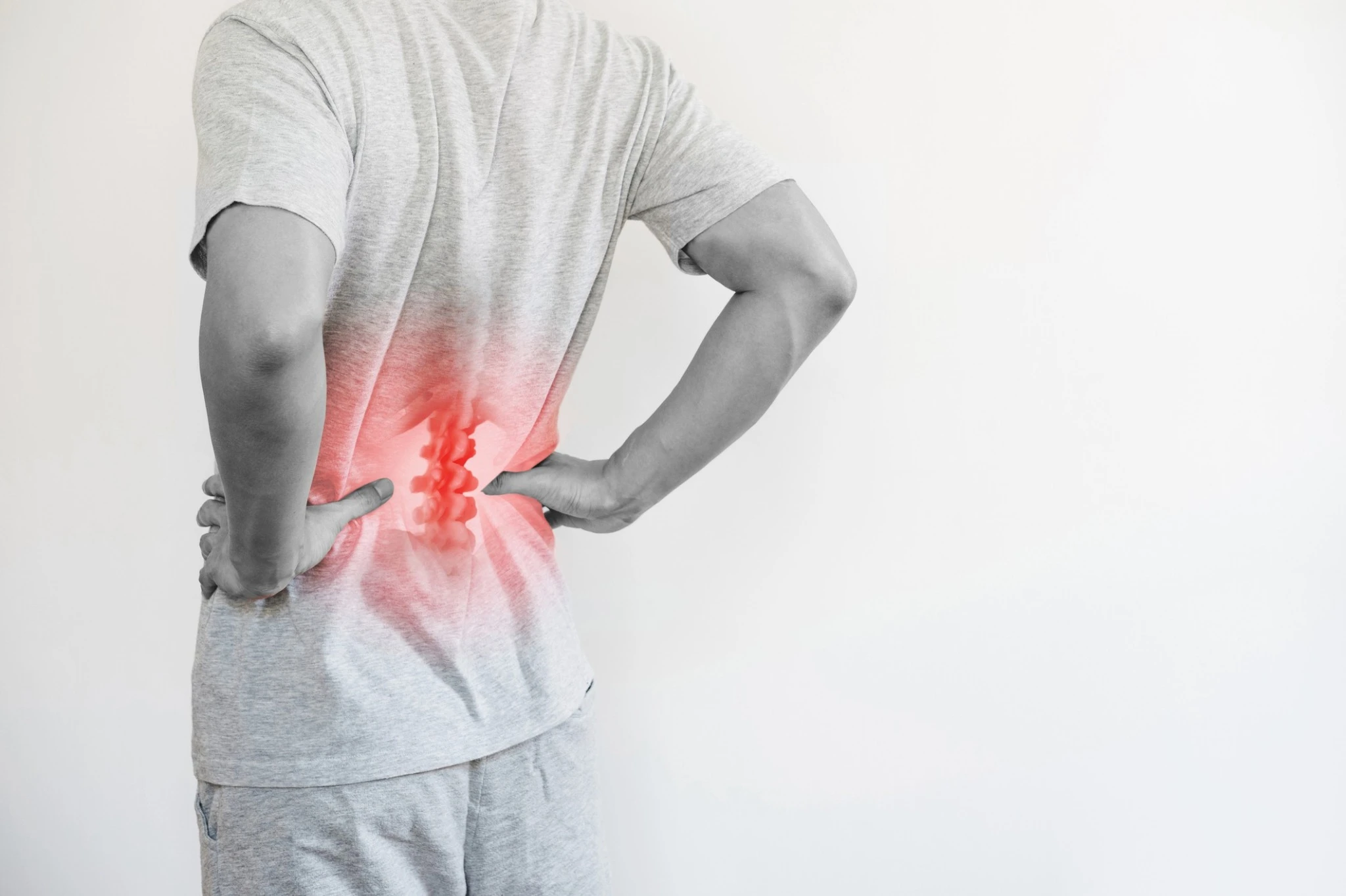
Do you often experience back or neck pain that worsens when standing or walking? Spinal stenosis might be the reason. This common condition occurs when the spaces within your spine narrow, placing pressure on the nerves that travel through it.

At Spinal Diagnostics, our team specializes in diagnosing and treating spinal stenosis to help you find relief and restore your mobility.

Common Symptoms of Spinal Stenosis

The symptoms of spinal stenosis can vary depending on the location and severity of the condition. Common signs include:

  • Back or neck pain that worsens with movement
  • Numbness or tingling in the arms, hands, legs, or feet
  • Muscle weakness or cramping
  • Loss of balance or coordination
  • Difficulty walking or standing for long periods

In more severe cases, spinal stenosis may even affect bladder or bowel control, which requires immediate medical attention.

What Causes Spinal Stenosis?

Spinal stenosis can be caused by a variety of issues, including:

  • Herniated discs
  • Bone spurs from osteoarthritis
  • Thickened ligaments
  • Spinal injuries
  • Congenital spinal narrowing

Age-related degeneration is one of the most common contributors, especially in adults over 50.

How Is It Diagnosed?

Our team uses a combination of medical history, physical exams, and imaging tests to diagnose spinal stenosis. This may include:

  • X-rays to check for bone changes or narrowing
  • MRIs to identify soft tissue conditions like herniated discs
  • CT scans for detailed cross-sectional images of the spine

Once we confirm the diagnosis, we develop a personalized treatment plan tailored to your needs and lifestyle.

Live Life Without Pain

Personalized care for chronic pain, spine conditions, and nerve disorders. Let us help you feel your best again.

Contact Us Today!

Treatment Options

Spinal stenosis can often be managed without surgery. We may recommend a combination of the following:

  • Physical therapy
  • Anti-inflammatory medications
  • Epidural steroid injections
  • Minimally invasive procedures like the Vertiflex™ Spacer

When conservative treatments aren’t enough, surgical options may be considered to relieve nerve pressure and restore function.

If you think you may be suffering from spinal stenosis, don’t wait. Contact Spinal Diagnostics today to schedule a consultation and begin your journey toward pain relief.
FOLLOW US

What to Expect at Your First Pain Management Appointment

What to Expect at Your First Pain Management Appointment If you are wondering what to expect at your first pain management appointment, the visit is usually focused on understanding your symptoms, medical history, previous care, and how pain affects your daily life....

Do You Need an MRI for Back Pain? What It Can and Can’t Show

Do You Need an MRI for Back Pain? What It Can and Can’t Show If you have ongoing or recurring back pain, it is natural to wonder whether you need an MRI. An MRI for back pain can be useful in certain situations, but not everyone needs imaging right away. Not everyone...

What Does a Pinched Nerve Feel Like? Pain, Tingling, Numbness, and Weakness

What Does a Pinched Nerve Feel Like? Pain, Tingling, Numbness, and Weakness If you are asking, “what does a pinched nerve feel like?” the answer often starts with sensations that feel different from ordinary soreness. A pinched or irritated nerve may cause pain,...

When Should You See a Doctor for Back or Neck Pain?

When Should You See a Doctor for Back or Neck Pain? If you are wondering when to see a doctor for back pain, the answer is not based only on how intense the pain feels. Consider an evaluation when back or neck pain persists, keeps returning, worsens, or repeatedly...

Can Poor Posture Cause Neck and Back Pain?

Can Poor Posture Cause Neck and Back Pain? If your neck feels tight after a long workday, your upper back aches after laptop use, or your lower back hurts after hours of sitting, it is reasonable to wonder whether posture is part of the problem. Many people connect...

Why Does My Lower Back Hurt When I Wake Up?

Why Does My Lower Back Hurt When I Wake Up? If you often wonder, “Why does my lower back hurt when I wake up?” one possible reason is that your muscles, joints, and spine have remained relatively still for several hours. Sleeping position, mattress support, muscle...

Back Pain Treatment Options: When Minimally Invasive Care May Help

Back Pain Treatment Options: When Minimally Invasive Care May Help When back pain keeps returning, it can be hard to know what to try next. Many people start with rest, medication, stretching, home care, or physical therapy. Sometimes that is enough. Other times, the...

Chronic Back Pain That Keeps Coming Back: When Rest and Physical Therapy May Not Be Enough

Chronic Back Pain That Keeps Coming Back: When Rest and Physical Therapy May Not Be Enough If you are dealing with chronic back pain that keeps returning, it can be hard to tell whether you are facing a stubborn but manageable problem or something that needs a closer...

When Leg Pain May Be Coming From Your Spine

When Leg Pain May Be Coming From Your Spine Leg pain does not always start in the leg itself. If you have leg pain along with low back pain, pain shooting down the leg, burning, tingling, or weakness, the real source may sometimes be in the lower back. This can be...

Stiff Neck Headache: When Neck Pain and Headaches Are Connected

Stiff Neck Headache: When Neck Pain and Headaches Are Connected A stiff neck headache can be frustrating because it is not always obvious where the pain is really starting. Some people feel neck pain at the base of the skull first, then notice the discomfort spreading...