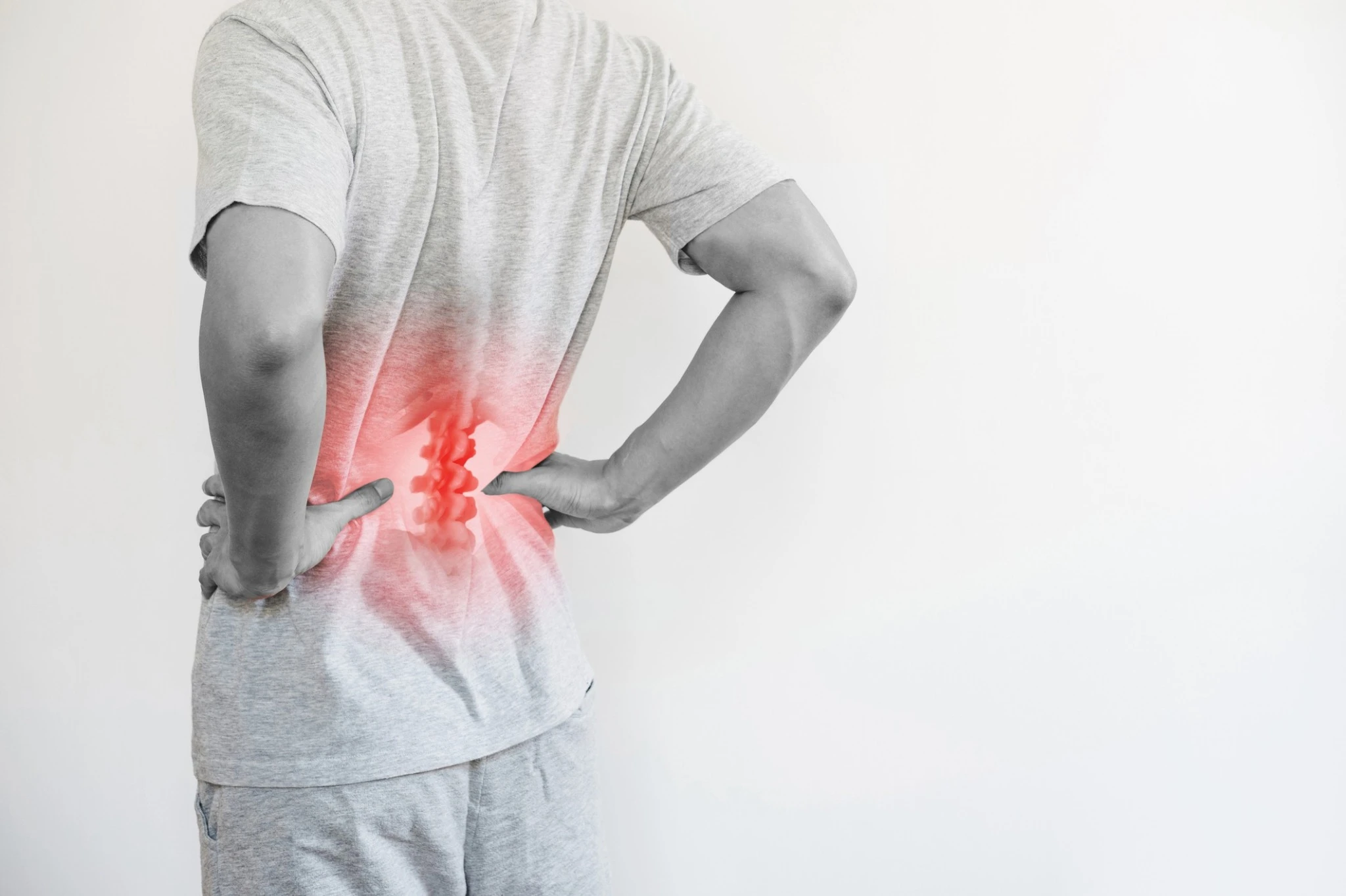
Hip Mobility Exercises for Injury Prevention and Enhanced Performance
Strong, flexible hips are essential for almost every movement you make – walking, lifting, squatting, running, or even sitting comfortably. When the hips become weak or tight, the body compensates in ways that can lead to pain not only in the hips themselves, but also in the lower back. That’s why a consistent routine of hip mobility exercises, strengthening movements, and stretching is one of the best ways to prevent injury and enhance performance.
In this guide, we’ll explore mobility strategies, hip strengthening exercises, techniques to relieve lower back and hip pain, and targeted routines to support long-term joint health.
Why Hip Mobility Is Essential
Healthy hips create stability for the pelvis, legs, and spine. When mobility is limited or muscles are imbalanced, pressure shifts to other structures, often leading to discomfort. Many people look for exercises for hip pain, hip flexor exercises, or hip stretching exercises because tightness in the hip region can radiate upward to the back or downward toward the knees.
Good hip mobility supports:
Balance
Proper gait
Athletic performance
Lower back stability
Injury prevention
When combined with strengthening, mobility work can dramatically improve both comfort and function.
Hip Flexor Strengthening and Mobility
The hip flexors are one of the most commonly strained and overworked muscle groups, especially in people who sit for long hours. Weak or tight flexors can contribute to poor posture, hip tendon discomfort, or lower back tension.
Eccentric Hip Flexion Exercises
Eccentric hip flexion exercises help strengthen the hip flexors by lengthening them under tension. This improves tendon resilience, reduces strain, and supports recovery from hip flexor irritation.
Hip Flexor Strengthening
Effective hip flexor strengthening exercises include:
Standing resisted hip flexion
Seated straight leg lifts
Marching step-ups
Knee drives with resistance bands
These improve core stability, help control pelvic tilt, and reduce stress on the lumbar spine.
Hip Flexor Stretching
Many people search for hip flexor stretches because these muscles often feel stiff. Good stretching options include:
The kneeling hip flexor stretch
Psoas stretch
Butterfly stretch
Deep lunge stretch
Regular stretching helps improve posture, reduce back tightness, and restore movement freedom.
Strengthening the Hips for Stability
Stability exercises are essential for preventing injury, improving balance, and reducing pain, especially in the hips and lower back.
Hip Strengthening Exercises
Some of the most effective hip strengthening exercises include:
Clamshells
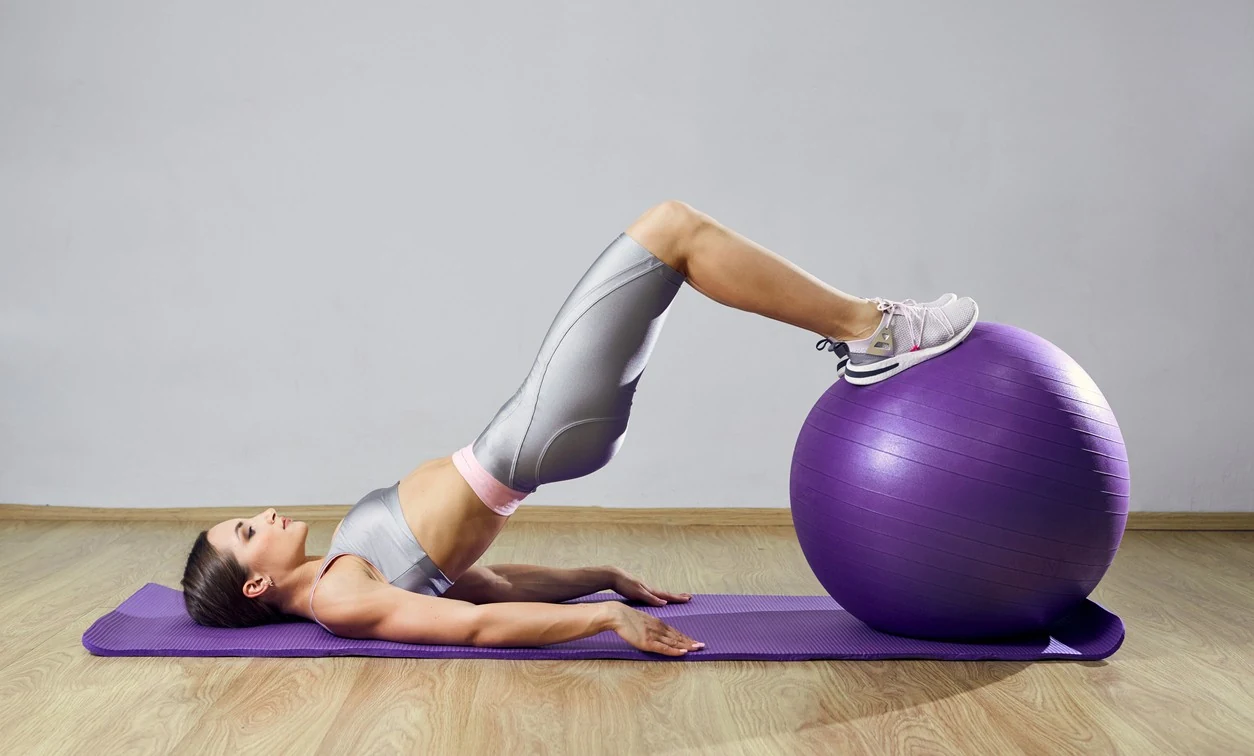
Glute bridges
Side-lying abductions
Lateral band walks
Step-ups
These help stabilize the pelvis and strengthen the glutes, which are vital for lower body alignment.
Adductor Strengthening
The adductors (inner thigh muscles) help stabilize the hips. Many rehab programs incorporate adductor strengthening exercises to improve lower-body control and prevent strain.
Hip Internal Rotation Exercises
Restricted internal rotation is a common cause of hip pain. Hip internal rotation exercises help improve rotational mobility and reduce compensations that create lower back stress.
Stretches for Lower Back and Hip Pain
Because the hips and lower back work so closely together, improving hip mobility often reduces lumbar discomfort.
How to Help Lower Back and Hip Pain
If you’re looking for ways to ease lower back and hip pain, gentle movement is often more effective than rest alone. Mobility increases blood flow, reduces stiffness, and helps restore natural movement patterns.
Stretches for Lower Back and Hips
Effective combined stretches include:
Child’s pose
Knee-to-chest stretch
Seated forward fold
Figure-four hip stretch
Supine spinal twist
These stretch the glutes, hip rotators, and lumbar muscles all at once.
How to Loosen Tight Hips and Lower Back
For people wondering how to loosen lower back and hips, focus on slow, controlled stretching and breathing techniques. Tight hip flexors, glutes, and hamstrings are common contributors to lower back stiffness.
Personalized care for chronic pain, spine conditions, and nerve disorders. Let us help you feel your best again.Live Life Without Pain
Exercises to Reduce Hip Pain and Improve Mobility
Hip Stretches for Pain Relief
Good options for hip stretches for pain include:
Pigeon stretch
Hip rotator stretch
Standing quad stretch
Hamstring stretch
These target muscles that commonly contribute to exercises for sore hips and help relieve pressure on both the hips and back.
Hip Exercises for Hip Pain
Strengthening weak muscles can significantly reduce discomfort. Effective hip exercises for hip pain include:
Mini squats
Hip extensions
Standing leg lifts
Exercises to Relieve Hip Pain
If you’re looking for exercises to alleviate hip pain or exercises to ease hip pain, start with low-load, controlled movements, then progress as stability improves.
Linking Hip Health and Lower Back Stability
Lower back pain is often linked to hip mobility limitations.
Lower Back Stretches and Exercises
People often search for stretches for lower back pain, lower back exercises, or lower back pain exercises at home. Helpful movements include:
Pelvic tilts
Cat-cow
Bird-dog
Bridge holds
Cobra stretch
Many therapists consider glute and hip strengthening to be part of the best stretches for lower back pain or even the single best exercise for lower back pain, depending on the underlying issue.
Hip Dysfunction and Rehab-Specific Exercise
Hip Tendonitis and Impingement
For those struggling with tendon irritation, hip tendonitis exercises focus on reducing irritation while strengthening surrounding muscles.
Similarly, hip impingement exercises aim to restore safe movement patterns and reduce pinching sensations at the front of the hip.
Hip Dysplasia Exercises
For individuals with structural conditions, hip dysplasia exercises help improve joint stability and reduce symptoms through controlled strengthening and mobility work.
Hip Flexor Strain Rehab Protocol
A structured hip flexor strain rehab protocol typically includes:
Eccentric hip flexion
Isometric hip flexor holds
Progressive stretching
Core strengthening
This approach helps restore full movement and prevent reinjury.
Take the First Step Toward Relief
From spine injections to nerve blocks and cutting-edge therapies, we help you move forward, pain free.
Final Thoughts
Maintaining hip mobility isn’t just about flexibility, it’s about balance, strength, and healthy movement patterns. Whether you’re recovering from an injury, trying to prevent discomfort, or aiming to enhance performance, consistent hip mobility exercises, strengthening routines, and targeted stretches can transform the way your body moves.
With patience and regular practice, you can reduce hip and lower back pain, improve stability, and move with more freedom every day.