
Meta Pixel

What Many People Don’t Understand About Complex Regional Pain Syndrome
Complex Regional Pain Syndrome

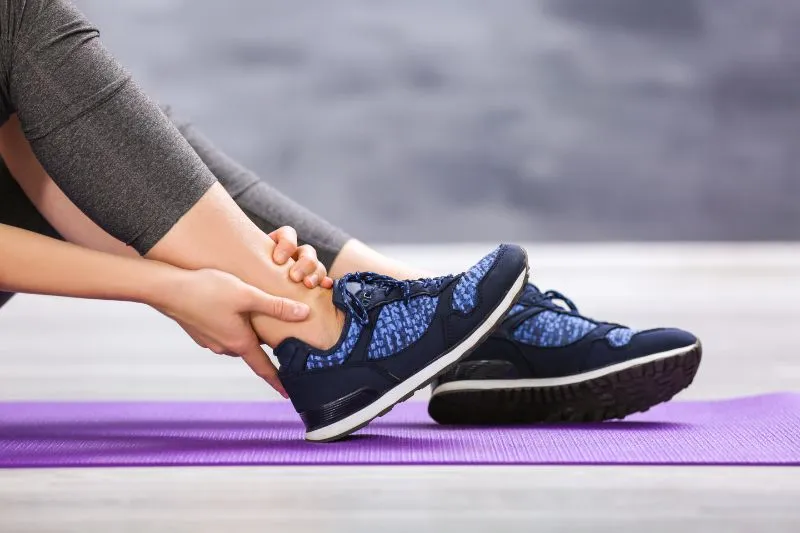
Living with complex regional pain syndrome (CRPS) can be an incredibly frustrating and isolating experience. Often misunderstood and misdiagnosed, CRPS is a chronic pain condition that typically affects one limb after an injury or surgery — but the pain is far more intense and long-lasting than what would normally be expected.

At Spinal Diagnostics, we understand the complexity of CRPS and work with patients to accurately diagnose and manage this often-debilitating condition.

What is CRPS?

CRPS is a condition in which the nervous system overreacts to a stimulus, causing severe, burning pain, swelling, changes in skin color or temperature, and reduced mobility. It’s believed to be caused by damage or malfunction in the peripheral and central nervous systems.

There are two types of CRPS:

  • Type 1: Follows an illness or injury that didn’t directly damage the nerves in the affected limb.
  • Type 2: Involves direct, confirmed nerve injury.

In both types, patients may experience pain that’s disproportionate to the original injury and doesn’t improve over time as expected.

Common misconceptions about CRPS

CRPS is often misunderstood — even by those in the medical community. Some common misconceptions include:

  • “It’s just in your head.” While CRPS does involve the nervous system, the pain is real and physical. It’s not psychological.
  • “It’s rare.” While it’s considered uncommon, CRPS is more prevalent than many realize and may go undiagnosed in some patients.
  • “It’s just regular nerve pain.” CRPS involves a distinct set of symptoms and neurological dysfunction that make it more complex than general nerve pain.

Raising awareness about these misunderstandings is key to getting people with CRPS the support and treatment they need.

Treatment options

CRPS is best managed when diagnosed early. At Spinal Diagnostics, we tailor treatment plans to each patient and may recommend:

  • Medications for nerve pain and inflammation
  • Physical therapy to maintain mobility and function
  • Spinal cord stimulation or dorsal root ganglion (DRG) therapy
  • Sympathetic nerve blocks
  • Psychological support for coping with chronic pain

Because CRPS can worsen without intervention, it’s essential to seek care from specialists familiar with the condition.

Compassionate Experts You Can Trust

Our board-certified specialists listen, diagnose, and guide you through every step of your pain journey.

Schedule an appointment

Compassionate care you can count on

If you or someone you love is struggling with unexplained, ongoing pain after an injury, don’t wait to seek answers. CRPS is a complex condition, but with the right care, it’s manageable.

Contact us at Spinal Diagnostics to schedule a consultation and learn more about your options for relief and support.
FOLLOW US

Lower Back Pain Shooting Down One Leg: Common Causes and Next Steps

Lower Back Pain Shooting Down One Leg: Common Causes and Next Steps If you have lower back pain shooting down one leg, the sensation can be hard to ignore. Some people describe the pain shooting down their left leg like an electric jolt, while others notice burning,...

Emerging Non-Opioid Treatments for Chronic Back Pain

Emerging Non-Opioid Treatments for Chronic Back Pain Chronic back pain is one of the most common reasons people seek medical care. While medications have traditionally been used to manage symptoms, there is growing interest in non-opioid approaches that focus on...

Spinal Decompression Therapy Explained

Spinal Decompression Therapy Explained If you’re dealing with persistent neck or back pain, especially from a herniated disc upper back or nerve-related symptoms, you may have come across the term decompression of neck or spinal decompression therapy. But what does it...

Is Sitting the New Smoking? Fixes for Desk Life

Is Sitting the New Smoking? Fixes for Desk Life If you spend most of your day at a desk, you have probably heard some version of this question: Is sitting at a desk as bad as smoking? The comparison is dramatic, but it points to a real issue. Sitting for too long,...

Relief for SI Joint Pain: Physical Therapy Strategies That Make a Difference

Relief for SI Joint Pain: Physical Therapy Strategies That Make a Difference     Sacroiliac (SI) joint pain can make daily activities hard. It can affect how you sit, move, or sleep. Many people notice SI joint pain gets worse at night when lying down. The...

Getting Active Again: Smart Strategies to Safely Return to Exercise

Getting Active Again: Smart Strategies to Safely Return to Exercise Taking a break from exercise happens to almost everyone. Maybe life got busy, an injury slowed you down, or motivation simply faded. No matter the reason, figuring out how to get back into working out...

The Cost of Waiting: Benefits of Physical Therapy with Early Intervention

The Cost of Waiting: Benefits of Physical Therapy with Early Intervention When pain, stiffness, or limited movement first appear, many people choose to wait it out. The discomfort might seem manageable at first, but delaying care often leads to bigger problems over...

When Should You See a Specialist for Back or Neck Pain?

When Should You See a Specialist for Back or Neck Pain? Back and neck pain can show up in many different ways. For some people, it starts as stiffness in the morning. For others, it appears while walking, bending over, or even breathing. It is important to know when...

Adult Tummy Time Explained: A Simple Approach to Neck and Back Pain

Adult Tummy Time Explained: A Simple Approach to Neck and Back Pain Lower back and neck pain are two of the most common complaints among adults, especially those who spend long hours standing, walking, or working at a desk. Many people notice lower back pain while...

How to Stay Active During Colder Seasons – Winter Exercise

How to Stay Active During Colder Seasons – Winter Exercise Cold weather does not have to mean giving up your outdoor routine. With the right preparation, staying active during winter can be safe, effective, and even refreshing. Whether you enjoy hiking in snowy...