
Meta Pixel

New Interspinous Spacers Provide Drug-Free Pain Relief From Spinal Stenosis

Spinal stenosis is a condition in which spaces within the spine narrow, putting pressure on the nerves that travel through the spine. This condition can cause pain, numbness, and weakness — often in the lower back and legs.

Fortunately, there’s a new minimally invasive treatment available: interspinous spacers. At Spinal Diagnostics, we offer this innovative procedure to patients seeking drug-free, long-term relief from spinal stenosis.
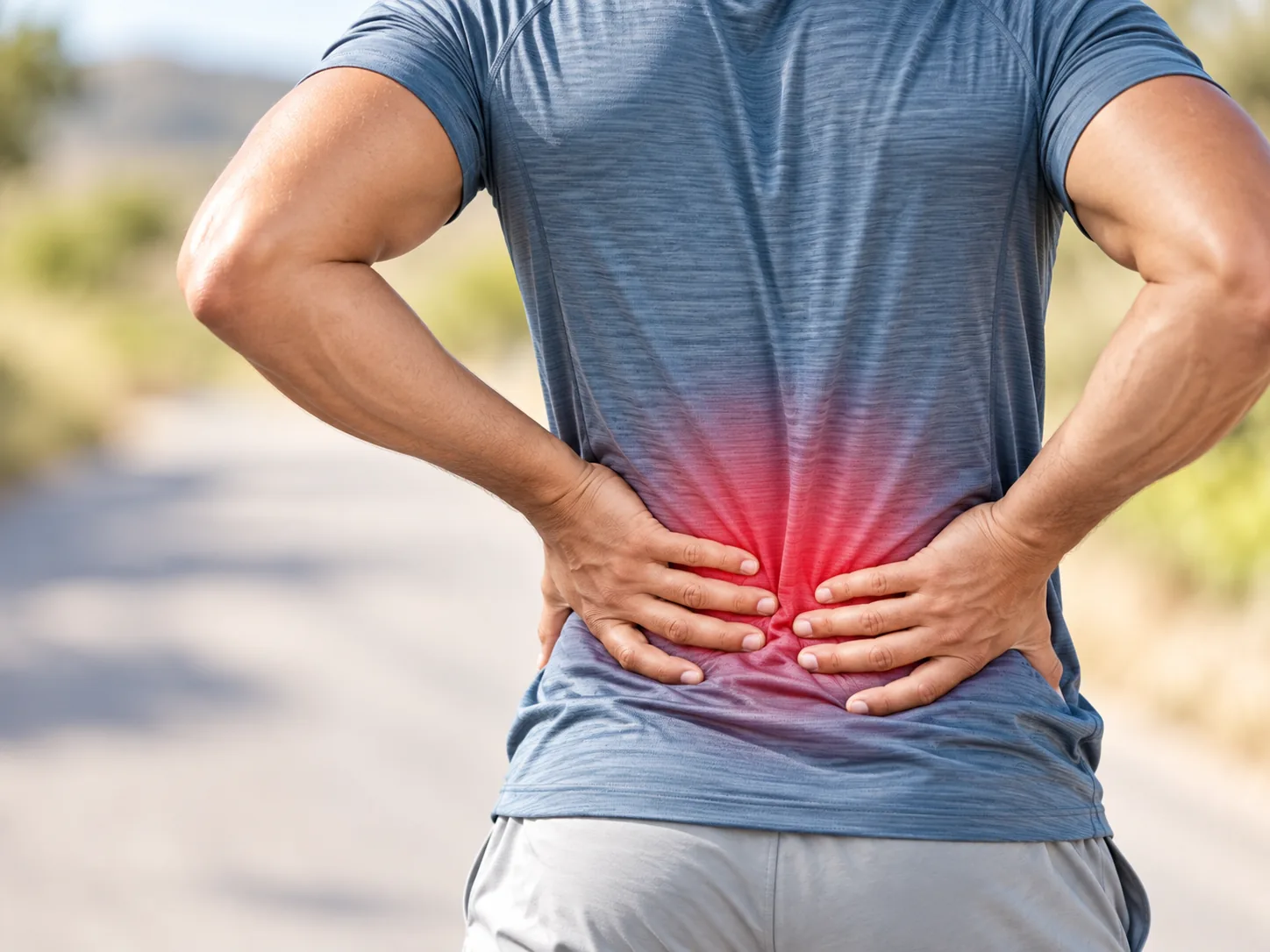
Man outdoors holding his lower back with highlighted back pain

What are interspinous spacers?

Interspinous spacers are small devices placed between the spinous processes (bony projections at the back of the spine) to create more space in the spinal canal. This relieves pressure on the nerves without removing any bone or tissue.

The procedure is performed through a small incision and requires no general anesthesia. Most patients go home the same day.

Benefits of the spacer procedure

Many patients choose interspinous spacers because the treatment:

  • Provides rapid relief from leg and back pain
  • Involves minimal downtime
  • Preserves the structure of the spine
  • Reduces the need for opioids or other medications
  • Can be reversed or adjusted if necessary

This makes interspinous spacers a great option for patients who want to avoid open back surgery or long-term medication use.

Schedule Your Appointment Today

Expert solutions for back, neck, and nerve pain, focused on restoring your quality of life.

Book Now

Am I a good candidate?

This treatment is often recommended for patients with moderate lumbar spinal stenosis who find relief from bending forward or sitting. A thorough evaluation is necessary to confirm whether spacers are appropriate for your condition.

At Spinal Diagnostics, our team uses advanced imaging and physical assessments to determine the best course of action for each patient.

If you’ve been diagnosed with spinal stenosis and are looking for alternatives to medication or surgery, contact us today to learn more about this drug-free, minimally invasive treatment option.
FOLLOW US

Back Pain Between the Shoulder Blades: Common Causes

Back Pain Between the Shoulder Blades: Common Causes Back pain between the shoulder blades can feel like a dull ache, persistent tightness, soreness, or sudden sharp discomfort. You may notice it after sitting at a computer, lifting something heavy, reaching...

Understanding Front Ankle Pain: Causes and Relief

Front of ankle pain refers to discomfort or soreness experienced in the anterior part of the ankle joint, often exacerbated by movement, especially walking or dorsiflexion. This common musculoskeletal issue can range from mild annoyance to debilitating pain,...

Back Spasms: What Causes Them and What to Do Next

Back Spasms: What Causes Them and What to Do Next A back spasm can happen suddenly, sometimes during an ordinary movement like bending, standing up, or reaching for something. Your back may tighten, cramp, or feel like it has completely locked up, making even simple...

Occipital Neuralgia vs. Migraine: Differentiating Your Head Pain

Occipital Neuralgia vs. Migraine: Differentiating Your Head Pain Occipital neuralgia vs migraine present distinct neurological conditions, though both cause significant head pain and can be debilitating. While occipital neuralgia typically involves sharp, piercing, or...

Lower Back and Pelvic Pain: When Could They Be Connected?

Lower Back and Pelvic Pain: When Could They Be Connected? Experiencing lower back and pelvic pain at the same time can be confusing. You may feel discomfort around your lower back, hips, buttocks, or pelvic area without knowing exactly where the pain begins. Yes,...

Adult Tummy Time: Benefits for Posture and Core Strength

Adult tummy time involves intentionally spending time lying on your stomach, often with elbows propped, to strengthen back and core muscles, improve spinal alignment, and counteract the effects of prolonged sitting. This simple yet effective exercise can significantly...

Work-Related Back Pain: What If It Doesn’t Get Better?

Work-Related Back Pain: What If It Doesn’t Get Better? Work-related back pain does not always improve on the same timeline for everyone. If symptoms remain persistent, keep returning during normal tasks, become more intense, limit movement, or occur with numbness,...

Back Pain After a Fall: What Symptoms Matter Most

Back Pain After a Fall: What Symptoms Matter Most Back pain after a fall can range from temporary soreness or stiffness to symptoms that deserve closer evaluation. What matters is not only how much your back hurts, but whether symptoms are improving or worsening,...

Back Pain After a Car Accident: Why Symptoms May Show Up Later

Back Pain After a Car Accident: Why Symptoms May Show Up Later Back pain after a car accident does not always begin immediately. Soreness, stiffness, inflammation, or irritation involving muscles, joints, or nerves may become more noticeable during the hours or days...

What to Expect at Your First Pain Management Appointment

What to Expect at Your First Pain Management Appointment If you are wondering what to expect at your first pain management appointment, the visit is usually focused on understanding your symptoms, medical history, previous care, and how pain affects your daily life....