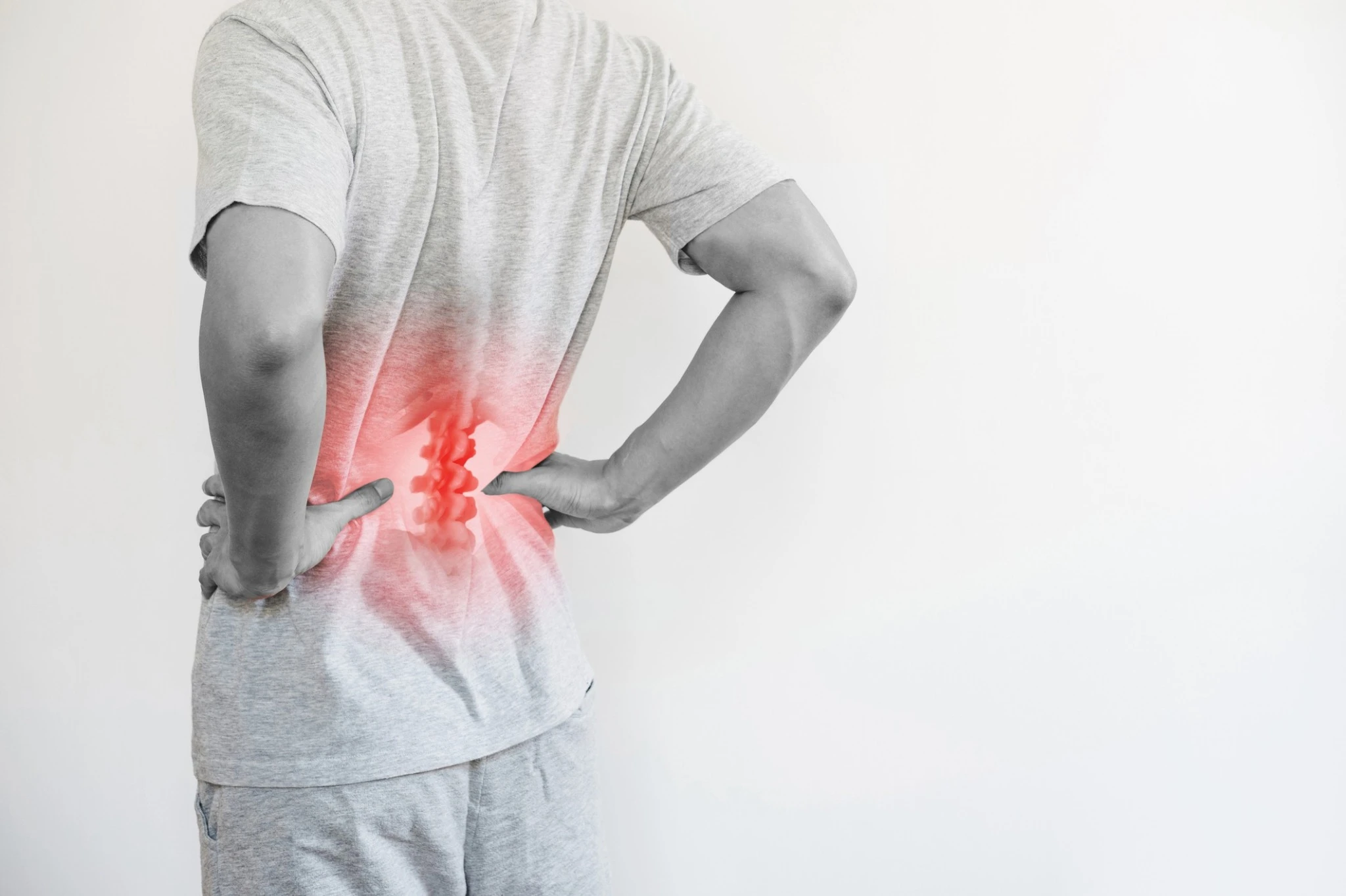
Adult Tummy Time Explained: A Simple Approach to Neck and Back Pain
Lower back and neck pain are two of the most common complaints among adults, especially those who spend long hours standing, walking, or working at a desk. Many people notice lower back pain while standing, lower back pain when walking, or discomfort that appears after just a few minutes on their feet. At the same time, tightness and weakness in the neck often contribute to poor posture and ongoing pain.
One simple but often overlooked approach to addressing both issues is adult tummy time. Originally used for infants, this concept can be adapted for adults to improve posture, activate key muscles, and reduce strain on the spine.

Why Does My Back Hurt When Standing or Walking?
If you experience back pain when standing, lower back pain after standing, or feel that your back hurts from standing too long, the cause is rarely just the lower back itself. Prolonged standing places sustained pressure on the lumbar spine, especially if core and glute muscles are not providing enough support.
Common complaints include:
- Lower back pain when standing too long
- Lower back pain after standing for a few minutes
- My back hurts after standing for 5 minutes
- Back pain from standing too long
- Back problems from standing all day
When posture is compromised, the spine works harder than it should, leading to muscle fatigue and pain.
Back Pain While Walking: What’s Really Happening?
Many people are surprised to experience lower back pain when walking or notice their back hurts when walking even during short distances. Walking should be a low-impact activity, but when posture, muscle balance, or spinal mobility is limited, discomfort can develop quickly.
You may notice:
- Back pain while walking
- Lower back hurts when walking
- Lower back ache after walking
- Sore back after walking
- Wondering, why does walking hurt my back or why does walking hurt my lower back?
Often, the issue is reduced spinal endurance or poor alignment that places extra stress on the lower back during movement.
Lower Back Pain When Standing But Not Sitting
A very specific and common concern is lower back pain when standing but not sitting. Sitting provides external support to the spine, while standing requires your muscles to actively stabilize your body. If your core, glutes, or spinal stabilizers are weak, pain may appear quickly when standing upright.
This can also explain:
- Back pain when standing up straight
- Lower back hurts while standing
- Backache after standing
Improving muscular endurance is key to resolving this pattern.
What Is Adult Tummy Time?
Adult tummy time involves lying on your stomach and gently engaging postural muscles, particularly those that support the neck, upper back, and lower back. This position helps counteract the forward-flexed posture many adults develop from sitting and screen use.
Regular tummy time can:
- Improve spinal alignment
- Activate deep stabilizing muscles
- Reduce lower back pain walking or standing
- Support neck strength and mobility
How Adult Tummy Time Helps Neck Pain
Neck tension often develops alongside back pain. Weak or overworked neck muscles can lead to stiffness, spasms, and reduced mobility.
People commonly search for:
- Neck workouts
- How to release tension in neck
- How to loosen neck muscles
- How to release tight neck muscles
Adult tummy time gently encourages the neck to work against gravity, helping restore balance.
Neck Exercises to Combine With Tummy Time
Adding targeted movements makes tummy time even more effective.
Neck Strengthening and Mobility
During or after tummy time, you can include:
- Neck workout exercises
- Neck exercises strengthening
- Exercises to strengthen neck
- Neck strengthening exercises at home
These help improve endurance and reduce the risk of pain flare-ups.
Stretching for Relief
Stretching remains essential for pain management. Effective options include:
- Best neck stretches
- Stretching exercises for neck and back
- Stretching exercises for neck and upper back
- Stretching exercises for cervical spine
These movements support flexibility and help calm overactive muscles.
Neck Pain Relief Exercises at Home
If you’re dealing with daily discomfort, neck pain exercises at home can make a meaningful difference. Gentle movements performed consistently help improve circulation and reduce stiffness.
Commonly helpful approaches include:
- Relieve neck pain exercises
- Exercise for neck pain
- Physical therapy exercises for neck pain
- Physiotherapy exercises for neck pain
These exercises are especially helpful if your neck feels sore after activity or you experience neck sore after workout sensations.
Connecting Neck and Lower Back Pain
The spine functions as a single unit. Tightness or weakness in the neck often affects posture, which in turn increases strain on the lower back. This connection explains why addressing only one area may provide limited relief.
By combining:
- Neck and shoulder exercises
- Cervical exercise routines
- Cervical back exercises
- with postural work like tummy time, you create a more balanced approach to pain management.
Take the First Step Toward Relief
From spine injections to nerve blocks and cutting-edge therapies, we help you move forward, pain free.
When Back and Neck Pain Persist
If you’re asking questions like:
- Why does my back hurt when I stand too long?
- Does the spine get sore after walking for hours?
- Why does walking hurt my back?
It may be time to consider guided care. Persistent pain, especially lower back pain while standing, back pain when walking, or recurring neck tension, may benefit from professional evaluation and a personalized exercise program.
Final Thoughts
Adult tummy time offers a simple, low-impact way to address common causes of neck and lower back pain. When combined with targeted neck exercises at home, stretching, and strengthening, it can help reduce discomfort associated with standing and walking.
Whether you’re dealing with lower back pain after standing, back pain while walking, or chronic neck tightness, small daily habits can lead to meaningful improvements in comfort, posture, and mobility.