Knee Fracture 101: Types, Symptoms, Treatment, and Surgery
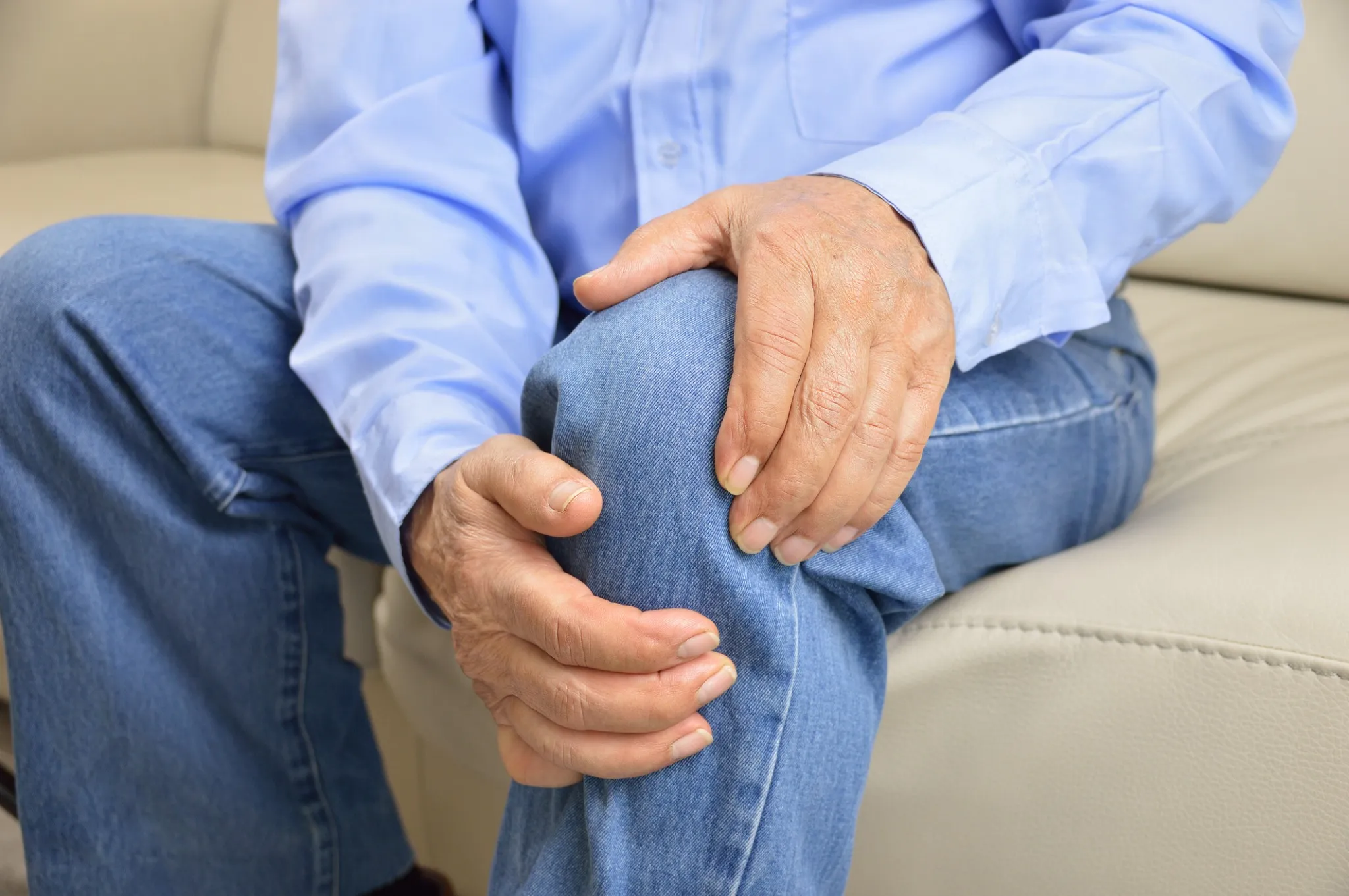
Suffering a broken knee can be both painful and overwhelming. Whether it’s a fractured kneecap, a patella fracture, or another type of knee injury, the road to recovery often includes a combination of rest, bracing, and in some cases, surgery. Understanding the different types of knee fractures, treatment options, and the role of braces can make a big difference in how you heal.
Types of Knee Fractures
There are several ways the knee joint can be fractured. Some of the most common include:
- Patella fracture: A break in the small bone at the front of the knee.
- Fractured kneecap: Another name for a patella fracture, often caused by direct trauma.
- Tibial plateau fracture: A break in the top of the shin bone.
- Distal femur fracture: A break in the bottom of the thigh bone.
Each type may require different treatments. The types of knee cap fractures vary in severity, from simple cracks to multiple fragmented breaks.
Common Symptoms of a Broken Knee
After a fall or direct impact, symptoms may include:
- Intense pain in the front of the knee
- Swelling and bruising
- Difficulty straightening or bending the leg
- Trouble walking or putting weight on the leg
In some cases, the injury also includes soft tissue damage, such as a patellofemoral ligament tear or torn medial retinaculum.
How a Knee Fracture Is Diagnosed
Doctors usually begin with a physical exam, followed by imaging:
- Picture of knee joint to check bone alignment
- Knee anatomy images to assess bone and ligament involvement
- Knee joint ligaments images if soft tissue injury is suspected
- Specific image of left knee or right knee images, depending on the affected side
These tools help determine the need for surgery and the type of fracture knee brace to be used.
Our board-certified specialists listen, diagnose, and guide you through every step of your pain journey.Compassionate Experts You Can Trust
Bracing After a Knee Fracture
If the fracture is stable and surgery isn’t required, your doctor may prescribe a knee brace for fractured patella. Other types include:
- Broken kneecap brace
- Brace for fractured kneecap
- Patella fracture brace
- Leg brace for broken leg if more of the limb is involved
- Fractured knee cap brace for specific bone positioning
Wearing the best knee brace for broken patella helps prevent further injury and supports healing by restricting motion.
When Surgery Is Necessary
So, what kind of bone fracture requires surgery? Generally, these include:
- Displaced fractures where bones are out of alignment
- Comminuted fractures (multiple bone fragments)
- Open fractures where the bone breaks through the skin
The most common procedures include:
- Internal fixation with screws and wires
- Total knee arthroplasty if the damage is extensive
- Ligament repair, such as MPFL tear recovery if the joint becomes unstable
Knee replacement surgery is usually reserved for complex injuries or cases involving arthritis, not standard broken knee cap situations.
Recovery Timeline and Rehab
Recovery varies depending on severity. A broken knee brace is typically worn for 4 to 8 weeks, followed by physical therapy. If you had a patellofemoral ligament tear, expect a longer rehab phase.
Key stages include:
- Immobilization with a broken patella brace
- Gradual range of motion exercises
- Strengthening quads and hamstrings
- Balance and gait training
For soft tissue injuries, torn medial retinaculum recovery time without surgery may be several weeks, but if combined with a fracture, it may take longer.
Exercises and Therapy After Injury
Once the bone has healed enough, rehab is essential. Therapists may avoid loading the knee too soon. Exercises include:
- Straight leg raises (with brace support)
- Assisted knee bends
- Controlled squats as tolerated
Rehab is especially important if you’re also recovering from a medial retinaculum tear or patellofemoral ligament tear, which affect knee tracking.
What Knee Injuries Require Immediate Surgery?
Immediate surgery is usually required when:
- There’s a displaced patella fracture
- There’s a patella fracture with MPFL tear
- A fractured knee cap is unstable
- There’s internal bleeding or a comminuted fracture
In those cases, delaying surgery can increase the risk of poor healing or chronic instability.
Monitoring Progress With Images
Follow-up appointments often include:
- Repeat image knee scans to monitor healing
- Updated picture of inside of knee
- Pic of knee anatomy for comparison
These visuals help assess healing and adjust bracing or therapy as needed.
Take the First Step Toward Relief
From spine injections to nerve blocks and cutting-edge therapies, we help you move forward, pain free.
Additional Considerations
While healing, you may also notice lingering soreness or stiffness. In some cases, if arthritis develops or the kneecap heals improperly, future knee surgery may be necessary.
Though cost-related keywords like total knee replacement surgery cost, knee replacement price, or knee operation cost were shared, in this case we’re focusing purely on the clinical and therapeutic aspects of recovery.
Final Thoughts
A broken knee cap brace, guided rehab, and timely medical care are the foundation of a successful recovery from any fractured patella or knee injury. Whether you’re using a brace for fractured kneecap or recovering from surgical repair, consistent care and patience are key.
With the right plan, even complex injuries like an MPFL tear or fractured knee cap can heal successfully—getting you back on your feet, one step at a time.